
Before Memmo my notes were scattered across PDFs. Now a workspace pulls everything into one place — I see exactly what's still left to study.
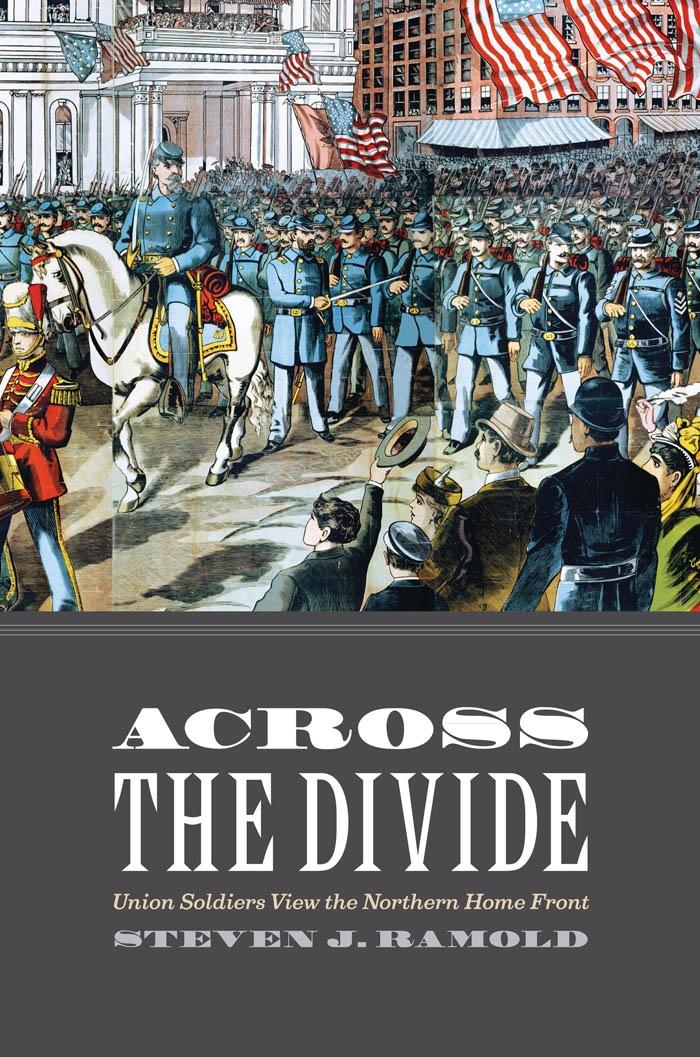
Union
soldiers left home in 1861 with expectations that the conflict would be short,
the purpose of the war was clear, and public support back home was universal.
As the war continued, however, Union soldiers began to perceive a great
difference between what they expected and what was actually occurring. Their
family relationships were evolving, the purpose of the war was changing, and
civilians were questioning the leadership of the government and Army to the
point of debating whether the war should continue at all.
Separated
from Northern civilians by a series of literal and figurative divides, Union
soldiers viewed the growing disparities between their own expectations and
those of their families at home with growing concern and alarm. Instead of
support for the war, an extensive and oft-violent anti-war movement emerged.
Often at odds with those at home and with limited means of communication to
their homes at their disposal, soldiers used letters, newspaper editorials, and
political statements to influence the actions and beliefs of their home
communities. When communication failed, soldiers sometimes took extremist
positions on the war, its conduct, and how civilian attitudes about the
conflict should be shaped.
In this
first study of the chasm between Union soldiers and northern civilians, Steven J.
Ramold reveals the wide array of factors that prevented the Union Army and the
civilians on whose behalf they were fighting from becoming a united front
during the Civil War. In Across the
Divide, Ramold illustrates how the divided spheres of Civil War experience
created social and political conflict far removed from the better-known
battlefields of the war.
Before Memmo my notes were scattered across PDFs. Now a workspace pulls everything into one place — I see exactly what's still left to study.
Memmo's summaries are gold before exams. I don't have to re-read 800 pages two weeks before — just the important parts.
The AI chat has saved me the night before an exam more than once. I just keep asking until I get it — no waiting on a study group to reply.
The quizzes hit exactly what I need to know. Memmo tracks what I get stuck on — so I only practice what's worth it.
Flashcards with spaced repetition are magic. Memmo knows when I'm about to forget something and brings it back.
The AI podcasts are my favorite. I listen on my way to school and get a recap without sitting at a computer.

Handbok i kvalitativa metoder
281 kr

Hållbar utveckling: en introduktion för ingenjörer och andra problemlösare
334 kr

Brymans Samhällsvetenskapliga metoder
390 kr

Projektledning
491 kr

Den orättvisa hälsan: om socioekonomiska skillnader i hälsa och livslängd
326 kr

Organizational Leadership
429 kr

Vetenskapsteori för nybörjare
196 kr

På väg mot läraryrket
172 kr

Det sociala livet i skolan: Socialpsykologiska perspektiv
253 kr

Betygsättningens didaktik
151 kr

Personality
402 kr

Studying Leadership
404 kr

Managing Innovation
477 kr

Introduktion till samhällsvetenskaplig metod
347 kr

The Psychology of Sex and Gender
698 kr

Evidens och kunskap för socialt arbete
207 kr

Introduction to Leadership
605 kr