
Before Memmo my notes were scattered across PDFs. Now a workspace pulls everything into one place — I see exactly what's still left to study.
Choice Outstanding Academic Title 2002
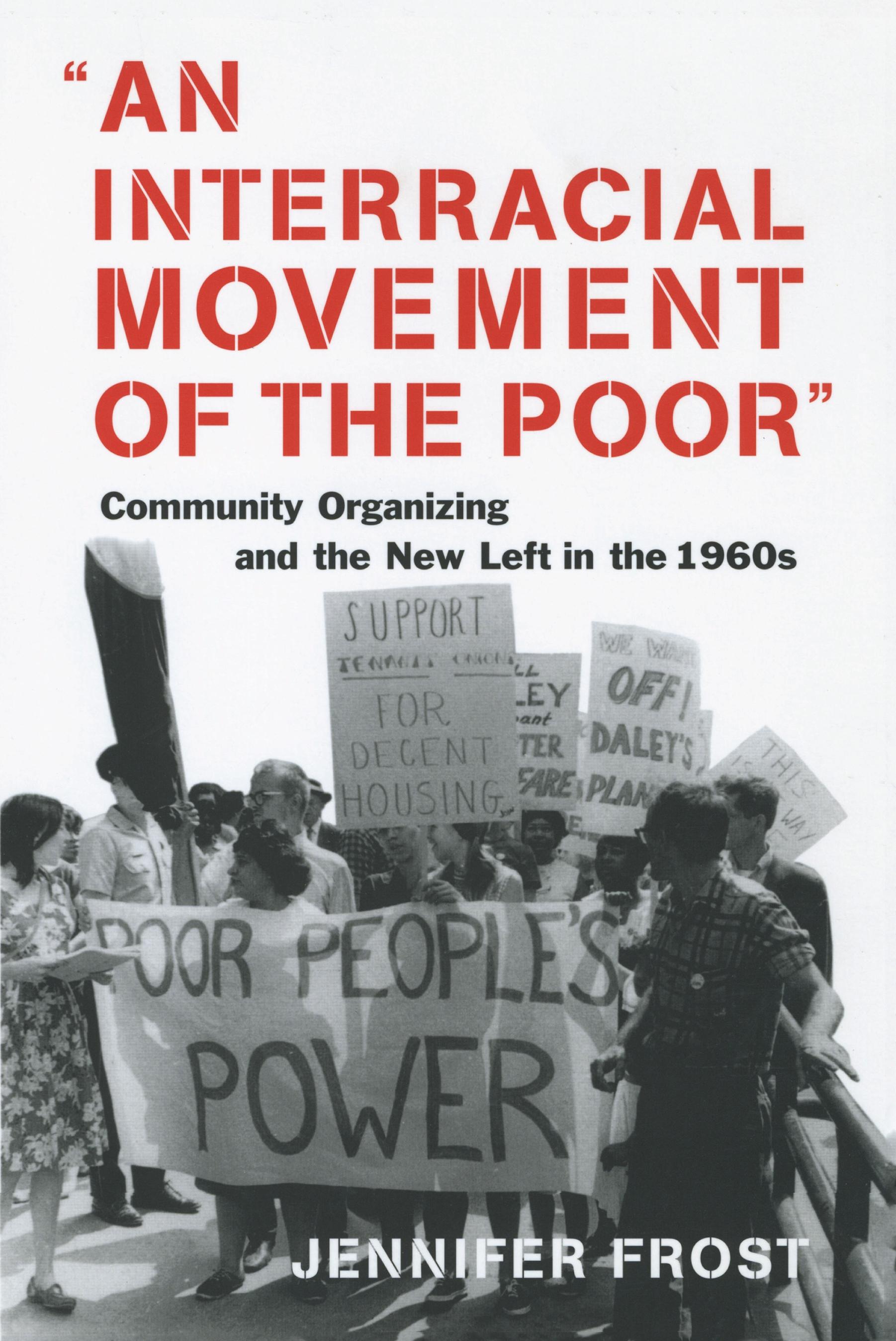
Community organizing became an integral part of the activist repertoire of the New Left in the 1960s. Students for a Democratic Society, the organization that came to be seen as synonymous with the white New Left, began community organizing in 1963, hoping to build an interracial movement of the poor through which to demand social and political change. SDS sought nothing less than to abolish poverty and extend democratic participation in America.
Over the next five years, organizers established a strong presence in numerous low-income, racially diverse urban neighborhoods in Chicago, Cleveland, Newark, and Boston, as well as other cities. Rejecting the strategies of the old left and labor movement and inspired by the Civil Rights Movement, activists sought to combine a number of single issues into a broader, more powerful coalition. Organizers never limited themselves to today's simple dichotomies of race vs. class or of identity politics vs. economic inequality. They actively synthesized emerging identity politics with class and coalition politics and with a drive for a more participatory welfare state, treating these diverse political approaches as inextricably intertwined. While common wisdom holds that the New Left rejected all state involvement as cooptative at best, Jennifer Frost traces the ways in which New Left and community activists did in fact put forward a prescriptive, even visionary, alternative to the welfare state.
After Students for a Democratic Society and its community organizing unit, the Economic Research and Action Project, disbanded, New Left and community participants went on to apply their strategies and goals to the welfare rights, women’s liberation, and the antiwar movements. In her study of activism before the age of identity politics, Frost has given us the first full-fledged history of what was arguably the most innovative community organizing campaign in post-war American history.
Before Memmo my notes were scattered across PDFs. Now a workspace pulls everything into one place — I see exactly what's still left to study.
Memmo's summaries are gold before exams. I don't have to re-read 800 pages two weeks before — just the important parts.
The AI chat has saved me the night before an exam more than once. I just keep asking until I get it — no waiting on a study group to reply.
The quizzes hit exactly what I need to know. Memmo tracks what I get stuck on — so I only practice what's worth it.
Flashcards with spaced repetition are magic. Memmo knows when I'm about to forget something and brings it back.
The AI podcasts are my favorite. I listen on my way to school and get a recap without sitting at a computer.

Handbok i kvalitativa metoder
281 kr

Hållbar utveckling: en introduktion för ingenjörer och andra problemlösare
334 kr

Brymans Samhällsvetenskapliga metoder
390 kr

Projektledning
491 kr

Den orättvisa hälsan: om socioekonomiska skillnader i hälsa och livslängd
326 kr

Vetenskapsteori för nybörjare
196 kr

Organizational Leadership
429 kr

På väg mot läraryrket
172 kr

Det sociala livet i skolan: Socialpsykologiska perspektiv
253 kr

Betygsättningens didaktik
151 kr

Personality
402 kr

Studying Leadership
404 kr

Managing Innovation
477 kr

Introduktion till samhällsvetenskaplig metod
347 kr

The Psychology of Sex and Gender
698 kr

Evidens och kunskap för socialt arbete
207 kr

Introduction to Leadership
605 kr