
Before Memmo my notes were scattered across PDFs. Now a workspace pulls everything into one place — I see exactly what's still left to study.
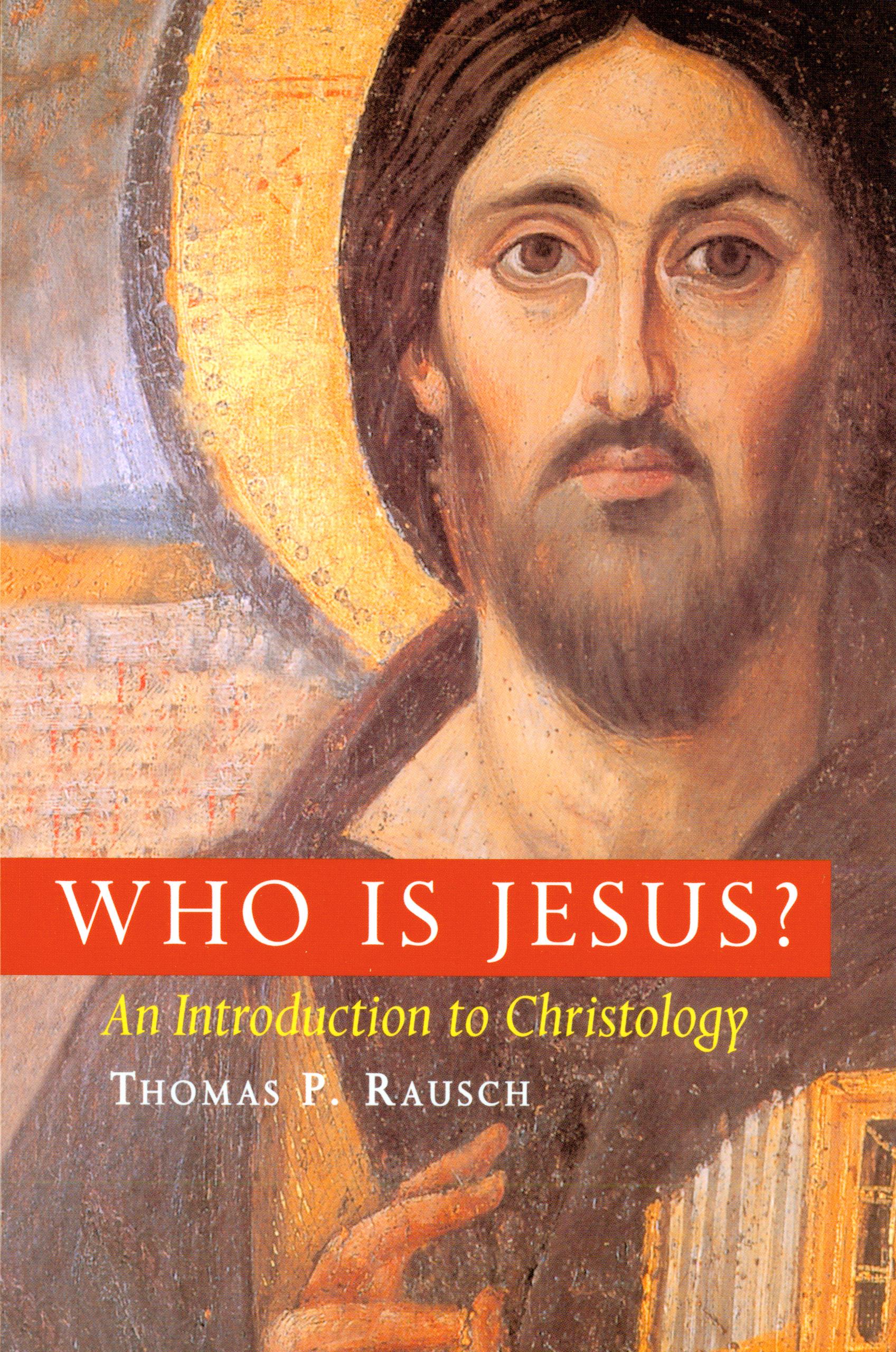
Who is Jesus? This is the fundamental question for christology. The earliest Christians used various titles, most of them drawn from the Old Testament or Hebrew Scriptures, to express their faith in Jesus. They called him prophet, teacher, Messiah, Son of David, Son of Man, Lord, Son of God, Word of God, and occasionally even God. In Who Is Jesus? Thomas Rausch, S.J., focuses on the New Testament's rich variety of christologies.
Who Is Jesus? covers the three quests for the historical Jesus, the methods for retrieving the historical Jesus, the Jewish background, the Jesus movement, his preaching and ministry, death and resurrection, the various New Testament christologies, and the development of christological doctrine from the New Testament period to the Council of Chalcedon.
Chapters are "The Three Quests for the Historical Jesus," "Methodological Considerations," "The Jewish Background," "Jesus and His Movement," " The Preaching and Ministry of Jesus," "The Death of Jesus," "God Raised Him from the Dead," "New Testament Christologies," "From the New Testament to Chalcedon," "Sin and Salvation," and "A Contemporary Approach to Soteriology."
Thomas P. Rausch, SJ, PhD, is the T. Marie Chilton Professor of Catholic Theology at Loyola Marymount University in Los Angeles. A specialist in ecclesiology, ecumenism, and the theology of the priesthood, he has published eight books including the award-winning Catholicism at the Dawn of the Third Millennium, The College Student's Introduction to Theology, and Reconciling Faith and Reason: Apologists, Evangelists, and Theologians in a Divided Church, published by Liturgical Press.
Before Memmo my notes were scattered across PDFs. Now a workspace pulls everything into one place — I see exactly what's still left to study.
Memmo's summaries are gold before exams. I don't have to re-read 800 pages two weeks before — just the important parts.
The AI chat has saved me the night before an exam more than once. I just keep asking until I get it — no waiting on a study group to reply.
The quizzes hit exactly what I need to know. Memmo tracks what I get stuck on — so I only practice what's worth it.
Flashcards with spaced repetition are magic. Memmo knows when I'm about to forget something and brings it back.
The AI podcasts are my favorite. I listen on my way to school and get a recap without sitting at a computer.

Handbok i kvalitativa metoder
281 kr

Hållbar utveckling: en introduktion för ingenjörer och andra problemlösare
334 kr

Brymans Samhällsvetenskapliga metoder
390 kr

Projektledning
491 kr

Den orättvisa hälsan: om socioekonomiska skillnader i hälsa och livslängd
326 kr

Organizational Leadership
429 kr

Vetenskapsteori för nybörjare
196 kr

På väg mot läraryrket
172 kr

Det sociala livet i skolan: Socialpsykologiska perspektiv
253 kr

Betygsättningens didaktik
151 kr

Personality
402 kr

Studying Leadership
404 kr

Managing Innovation
477 kr

Introduktion till samhällsvetenskaplig metod
347 kr

The Psychology of Sex and Gender
698 kr

Evidens och kunskap för socialt arbete
207 kr

Introduction to Leadership
605 kr