
Before Memmo my notes were scattered across PDFs. Now a workspace pulls everything into one place — I see exactly what's still left to study.
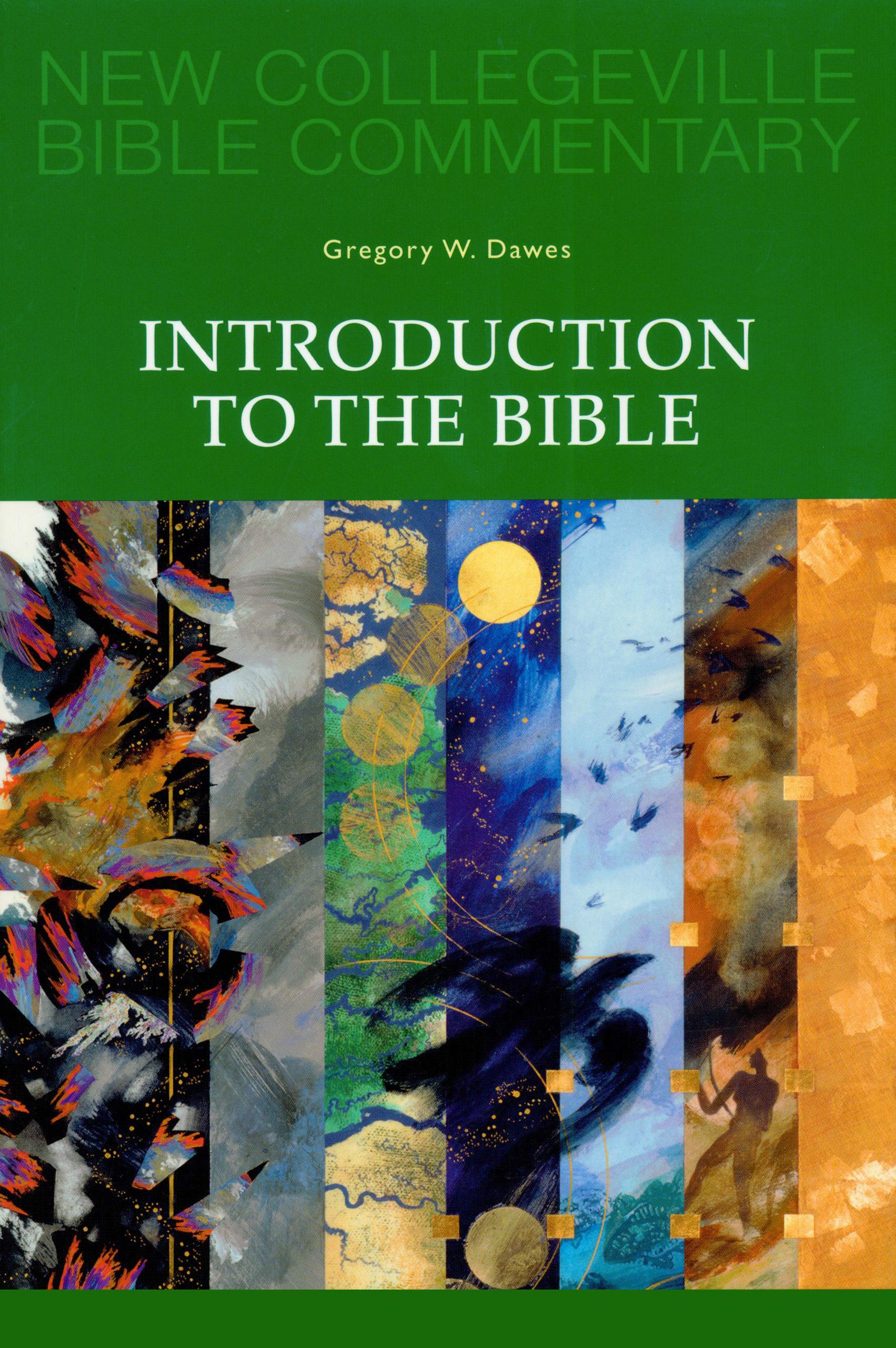
When we first pick it up and open it, the Bible can seem confusing and perhaps even frightening. Here is this bulky book, made up of seventy-three sections with unfamiliar titles such as Deuteronomy, Ecclesiastes, Colossians, and Corinthians, with numbers in front of almost every sentence, rarely any pictures, and perhaps a few maps of ancient areas such as Mesopotamia, Assyria, and Judah. Since the Bible looks like a book, we may start to read it as we would any other book, hoping to move from cover to cover. Then we begin to wonder, Who wrote this? When was it written? What kind of writing is this: History? Science? Biography? Fiction? What am I supposed to get out of it? As (or if) we keep reading the Bible page by page, section by section, we soon realize that this is no ordinary run-of-the-bookshelf volume. Without a guide the Bible is likely to remain the book most often purchased but not very often read and even less often understood.
To rescue Bible readers and students from turning their initial enthusiasm into boredom, Gregory Dawes gives us this Introduction to the Bible, the indispensable prologue to the entire series of the New Collegeville Bible Commentary. Dividing the contents into two parts, the author first describes how the Old and New Testaments came to be put together, and then explores how their stories have been interpreted over the centuries. In the words of Dawes, this very broad overview of a very complex history offers the general reader a helpful framework within which to begin to understand the Bible. The author writes clearly, frequently seasoning his explanations with crisp examples. This book anchors individual and group Bible study on the solid foundation of basic biblical vocabulary and concepts.
Gregory W. Dawes is senior lecturer in both religious studies and philosophy at the University of Otago (New Zealand). He undertook graduate study at the Pontifical Biblical Institute in Rome, where he completed the Licentiate degree, before receiving a PhD from the University of Otago in 1995. He has written several books, the most recent being The Historical Jesus Question: The Challenge of History to Religious Authority (Westminster John Knox, 2001). He is currently researching Christian responses to the work of Charles Darwin.
Before Memmo my notes were scattered across PDFs. Now a workspace pulls everything into one place — I see exactly what's still left to study.
Memmo's summaries are gold before exams. I don't have to re-read 800 pages two weeks before — just the important parts.
The AI chat has saved me the night before an exam more than once. I just keep asking until I get it — no waiting on a study group to reply.
The quizzes hit exactly what I need to know. Memmo tracks what I get stuck on — so I only practice what's worth it.
Flashcards with spaced repetition are magic. Memmo knows when I'm about to forget something and brings it back.
The AI podcasts are my favorite. I listen on my way to school and get a recap without sitting at a computer.

Handbok i kvalitativa metoder
281 kr

Hållbar utveckling: en introduktion för ingenjörer och andra problemlösare
334 kr

Brymans Samhällsvetenskapliga metoder
390 kr

Projektledning
491 kr

Den orättvisa hälsan: om socioekonomiska skillnader i hälsa och livslängd
326 kr

Vetenskapsteori för nybörjare
196 kr

Organizational Leadership
429 kr

På väg mot läraryrket
172 kr

Det sociala livet i skolan: Socialpsykologiska perspektiv
253 kr

Betygsättningens didaktik
151 kr

Personality
402 kr

Studying Leadership
404 kr

Managing Innovation
477 kr

Introduktion till samhällsvetenskaplig metod
347 kr

The Psychology of Sex and Gender
698 kr

Evidens och kunskap för socialt arbete
207 kr

Introduction to Leadership
605 kr