
Before Memmo my notes were scattered across PDFs. Now a workspace pulls everything into one place — I see exactly what's still left to study.
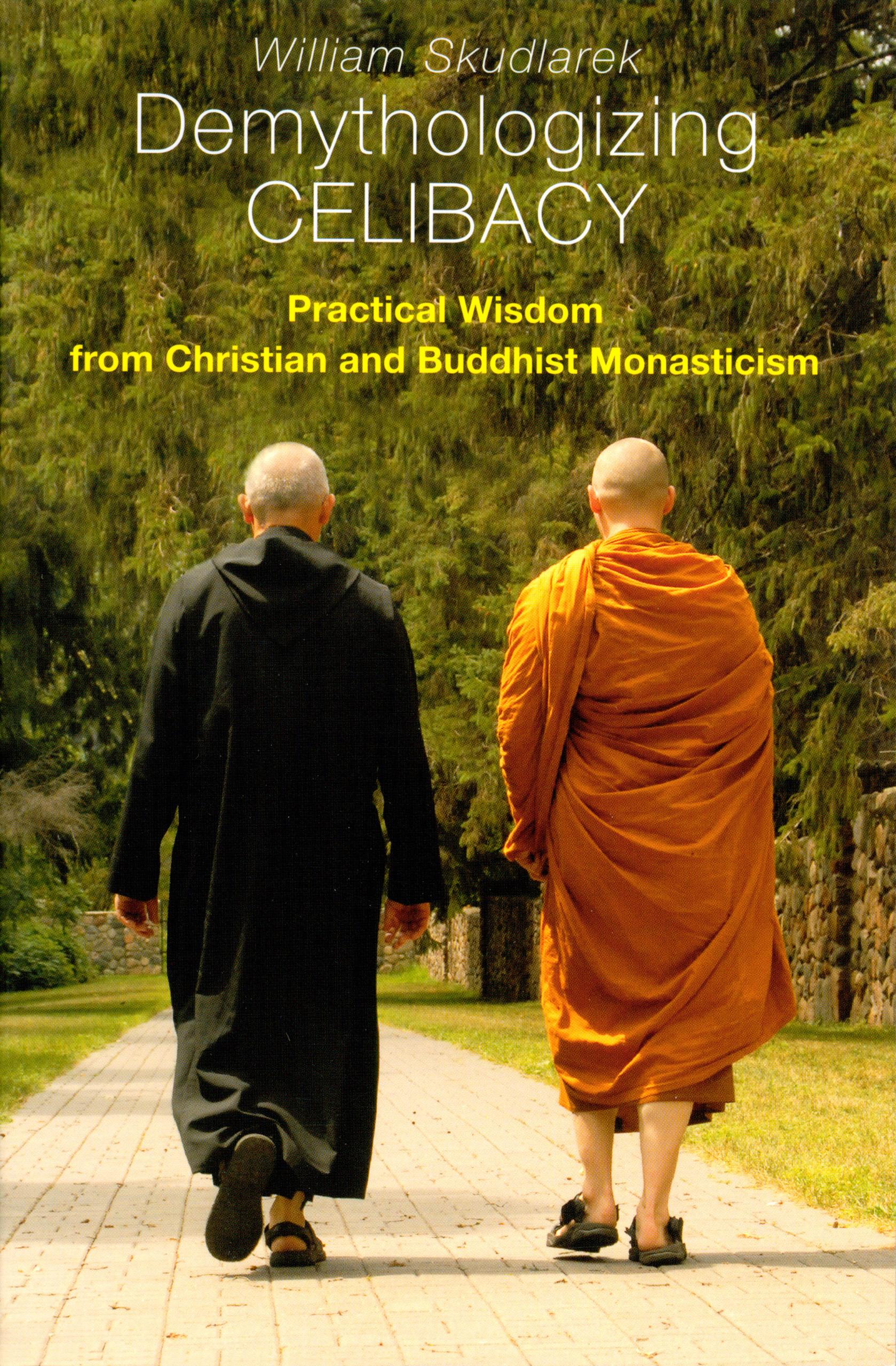
When St. Benedict compiled his Rule for Monasteries in the early decades of the sixth century, the Buddhist monastic code had already been in existence for about nine hundred years. Since monastic life is shaped by spiritual practices that are very similar across different religious traditions, it should not be too much of a stretch to suggest that Christians can learn from the accumulated wisdom of Buddhist monasticism.
For Buddhists, celibacy, accompanied by skillful reflection on their personal reactions to it, is a means of letting go of attachment to sensory pleasure. Buddhist monks do not marry; they strive to relinquish the desire for sexual pleasure because this form of gratification obstructs the one-pointed stillness that leads to insight.
For Christians, celibacy—like marriage—is ultimately about love: responding to God's love for us and expressing selfless love for others. In light of the Christian understanding of marriage as an authentic—indeed, the ordinary—path to holiness, Skudlarek proposes a demythologized view of celibacy, presenting it as an alternate and equally valid spiritual practice for those who choose not to accept the demands of a committed sexual relationship. Drawing on the monastic interreligious dialogue, Skudlarek considers the Buddhist view of celibacy, which is not mythologized as a response to a divine call or as a superhuman way of life. He examines their regard for it as simply—and profoundly—a path to freedom, peace, and happiness. As Christians become aware of the benefits of celibacy for monks who observe it without reference to the Gospel, they may be able to appreciate all the more its importance and value for those who wish to follow Christ as celibates, and in this way come to share in the freedom of the children of God.
Before Memmo my notes were scattered across PDFs. Now a workspace pulls everything into one place — I see exactly what's still left to study.
Memmo's summaries are gold before exams. I don't have to re-read 800 pages two weeks before — just the important parts.
The AI chat has saved me the night before an exam more than once. I just keep asking until I get it — no waiting on a study group to reply.
The quizzes hit exactly what I need to know. Memmo tracks what I get stuck on — so I only practice what's worth it.
Flashcards with spaced repetition are magic. Memmo knows when I'm about to forget something and brings it back.
The AI podcasts are my favorite. I listen on my way to school and get a recap without sitting at a computer.

Handbok i kvalitativa metoder
281 kr

Hållbar utveckling: en introduktion för ingenjörer och andra problemlösare
334 kr

Brymans Samhällsvetenskapliga metoder
390 kr

Projektledning
491 kr

Den orättvisa hälsan: om socioekonomiska skillnader i hälsa och livslängd
326 kr

Vetenskapsteori för nybörjare
196 kr

Organizational Leadership
429 kr

På väg mot läraryrket
172 kr

Det sociala livet i skolan: Socialpsykologiska perspektiv
253 kr

Betygsättningens didaktik
151 kr

Personality
402 kr

Studying Leadership
404 kr

Managing Innovation
477 kr

Introduktion till samhällsvetenskaplig metod
347 kr

The Psychology of Sex and Gender
698 kr

Evidens och kunskap för socialt arbete
207 kr

Introduction to Leadership
605 kr