
Before Memmo my notes were scattered across PDFs. Now a workspace pulls everything into one place — I see exactly what's still left to study.
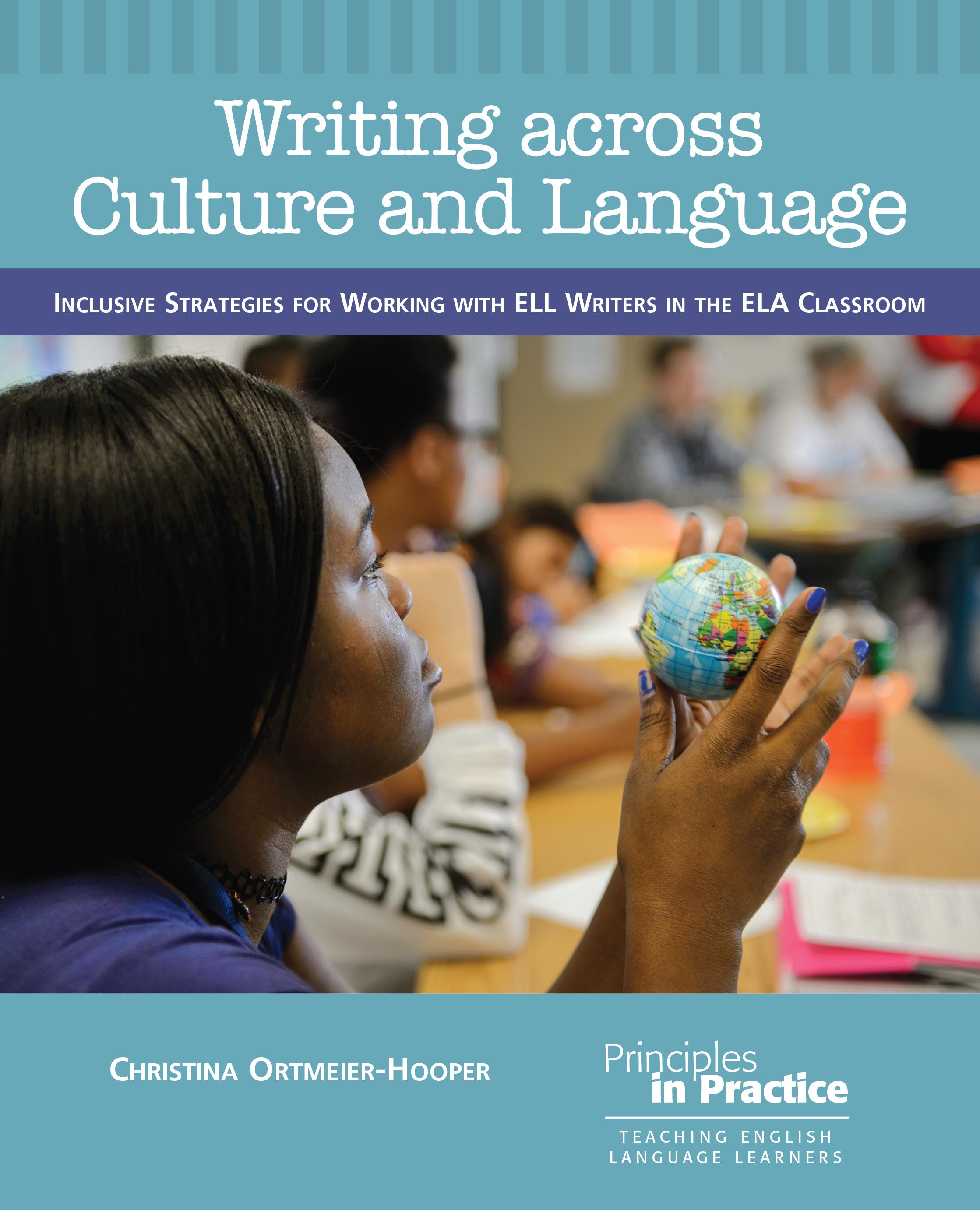
Imagine being asked to write an essay in a language you don’t know well or at all, to have to express yourself—your knowledge and analysis—grammatically and clearly in, say, three to five pages. How is your Spanish, your Urdu, your Hmong?
This is what teachers ask their ELL and multilingual students to do every day in middle and high school, especially in English classes, leading to expectations both too great and too small. Teachers often resort to worksheets and grammar drills that don’t produce good writing or allow these students to tap in to their first language assets and strengths. Writing well is a primary door-opener to success in secondary school, college, and the workplace; it’s also the most difficult language skill to master. Add writing in a second language to the mix, and the task difficulty is magnified.
In Writing across Culture and Language, Christina Ortmeier-Hooper challenges deficit models of ELL and multilingual writers and offers techniques to help teachers identify their students’ strengths and develop inclusive research-based writing practices that are helpful to all students. Her approach, aligned with specific writing instruction recommendations outlined in the NCTE Position Paper on the Role of English Teachers in Educating English Language Learners (ELLs), connects theory to classroom application, with a focus on writing instruction, response, and assessment for ELL and multilingual students. Through rich examples of these writers and their writing practices, along with “best practices” input from classroom teachers, this book provides accessible explanations of second language writing theory and pedagogy in teacher-friendly language, concrete suggestions for the classroom, guiding questions to support discussion, and an annotated list of resources.
Before Memmo my notes were scattered across PDFs. Now a workspace pulls everything into one place — I see exactly what's still left to study.
Memmo's summaries are gold before exams. I don't have to re-read 800 pages two weeks before — just the important parts.
The AI chat has saved me the night before an exam more than once. I just keep asking until I get it — no waiting on a study group to reply.
The quizzes hit exactly what I need to know. Memmo tracks what I get stuck on — so I only practice what's worth it.
Flashcards with spaced repetition are magic. Memmo knows when I'm about to forget something and brings it back.
The AI podcasts are my favorite. I listen on my way to school and get a recap without sitting at a computer.

Handbok i kvalitativa metoder
281 kr

Hållbar utveckling: en introduktion för ingenjörer och andra problemlösare
334 kr

Brymans Samhällsvetenskapliga metoder
390 kr

Projektledning
491 kr

Den orättvisa hälsan: om socioekonomiska skillnader i hälsa och livslängd
326 kr

Vetenskapsteori för nybörjare
196 kr

Organizational Leadership
429 kr

På väg mot läraryrket
172 kr

Det sociala livet i skolan: Socialpsykologiska perspektiv
253 kr

Betygsättningens didaktik
151 kr

Personality
402 kr

Studying Leadership
404 kr

Managing Innovation
477 kr

Introduktion till samhällsvetenskaplig metod
347 kr

The Psychology of Sex and Gender
698 kr

Evidens och kunskap för socialt arbete
207 kr

Introduction to Leadership
605 kr