
Before Memmo my notes were scattered across PDFs. Now a workspace pulls everything into one place — I see exactly what's still left to study.
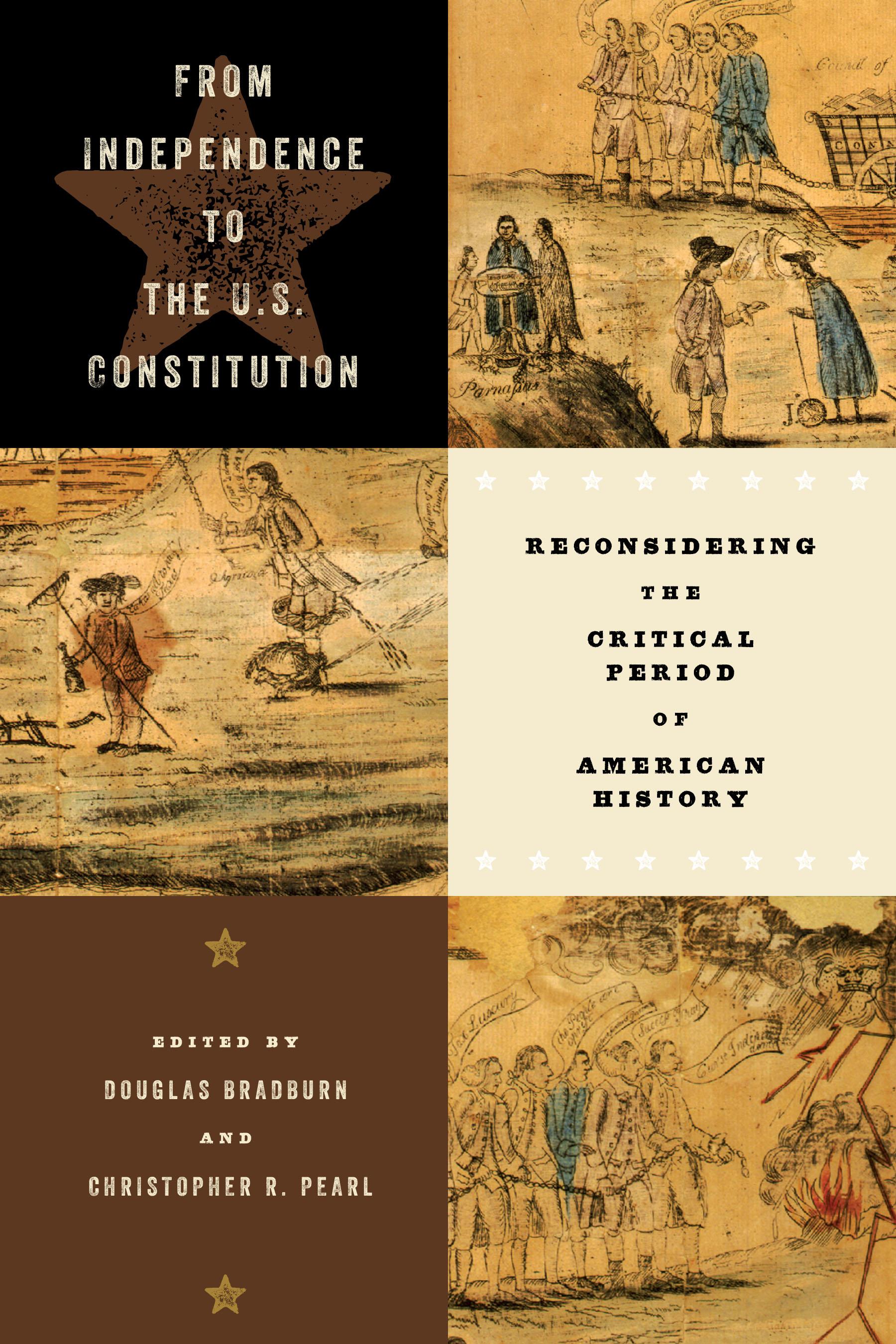
The "Critical Period" of American history—the years between the end of the American Revolution in 1783 and the ratification of the U.S. Constitution in 1789—was either the best of times or the worst of times. While some historians have celebrated the achievement of the Constitutional Convention, which, according to them, saved the Revolution, others have bemoaned that the Constitution’s framers destroyed the liberating tendencies of the Revolution, betrayed debtors, made a bargain with slavery, and handed the country over to the wealthy.
This era—what John Fiske introduced in 1880 as America’s "Critical Period"—has rarely been separated from the U.S. Constitution and is therefore long overdue for a reevaluation on its own terms. How did the pre-Constitution, postindependence United States work? What were the possibilities, the tremendous opportunities for "future welfare or misery for mankind," in Fiske’s words, that were up for grabs in those years? The scholars in this volume pursue these questions in earnest, highlighting how the pivotal decade of the 1780s was critical or not, and for whom, in the newly independent United States.
As the United States is experiencing another, ongoing crisis of governance, reexamining the various ways in which elites and common Americans alike imagined and constructed their new nation offers fresh insights into matters—from national identity and the place of slavery in a republic, to international commerce, to the very meaning of democracy—whose legacies reverberated through the nineteenth and twentieth centuries and into the present day.
Contributors:Kevin Butterfield, Fred W. Smith National Library for the Study of George Washington at Mount Vernon * Hannah Farber, Columbia University * Johann N. Neem, Western Washington University * Dael A. Norwood, University of Delaware * Susan Gaunt Stearns, University of Mississippi * Nicholas P. Wood, Spring Hill College
Before Memmo my notes were scattered across PDFs. Now a workspace pulls everything into one place — I see exactly what's still left to study.
Memmo's summaries are gold before exams. I don't have to re-read 800 pages two weeks before — just the important parts.
The AI chat has saved me the night before an exam more than once. I just keep asking until I get it — no waiting on a study group to reply.
The quizzes hit exactly what I need to know. Memmo tracks what I get stuck on — so I only practice what's worth it.
Flashcards with spaced repetition are magic. Memmo knows when I'm about to forget something and brings it back.
The AI podcasts are my favorite. I listen on my way to school and get a recap without sitting at a computer.

Handbok i kvalitativa metoder
281 kr

Hållbar utveckling: en introduktion för ingenjörer och andra problemlösare
334 kr

Brymans Samhällsvetenskapliga metoder
390 kr

Projektledning
491 kr

Den orättvisa hälsan: om socioekonomiska skillnader i hälsa och livslängd
326 kr

Organizational Leadership
429 kr

Vetenskapsteori för nybörjare
196 kr

På väg mot läraryrket
172 kr

Det sociala livet i skolan: Socialpsykologiska perspektiv
253 kr

Betygsättningens didaktik
151 kr

Personality
402 kr

Studying Leadership
404 kr

Managing Innovation
477 kr

Introduktion till samhällsvetenskaplig metod
347 kr

The Psychology of Sex and Gender
698 kr

Evidens och kunskap för socialt arbete
207 kr

Introduction to Leadership
605 kr