
Before Memmo my notes were scattered across PDFs. Now a workspace pulls everything into one place — I see exactly what's still left to study.
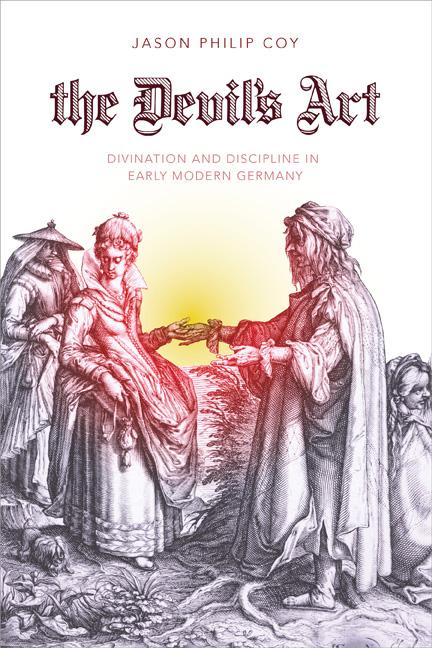
In early modern Germany, soothsayers known as wise women and men roamed the countryside. Fixtures of village life, they identified thieves and witches, read palms, and cast horoscopes. German villagers regularly consulted these fortune-tellers and practiced divination in their everyday lives. Jason Phillip Coy brings their enchanted world to life by examining theological discourse alongside archival records of prosecution for popular divination in Thuringia, a diverse region in central Germany divided into a patchwork of princely territories, imperial cities, small towns, and rural villages. Popular divination faced centuries of elite condemnation, as the Lutheran clergy attempted to suppress these practices in the wake of the Reformation and learned elites sought to eradicate them during the Enlightenment. As Coy finds, both of these reform efforts failed, and divination remained a prominent feature of rural life in Thuringia until well into the nineteenth century.
The century after 1550 saw intense confessional conflict accompanied by widespread censure and disciplinary measures, with prominent Lutheran theologians and demonologists preaching that divination was a demonic threat to the Christian community and that soothsayers deserved the death penalty. Rulers, however, refused to treat divination as a capital crime, and the populace continued to embrace it alongside official Christianity in troubled times. The Devil’s Art highlights the limits of Reformation-era disciplinary efforts and demonstrates the extent to which reformers’ efforts to inculcate new cultural norms relied upon the support of secular authorities and the acquiescence of parishioners. Negotiation, accommodation, and local resistance blunted official reform efforts and ensured that occult activities persisted and even flourished in Germany into the modern era, surviving Reformation-era preaching and Enlightenment-era ridicule alike.
Studies in Early Modern German History
Before Memmo my notes were scattered across PDFs. Now a workspace pulls everything into one place — I see exactly what's still left to study.
Memmo's summaries are gold before exams. I don't have to re-read 800 pages two weeks before — just the important parts.
The AI chat has saved me the night before an exam more than once. I just keep asking until I get it — no waiting on a study group to reply.
The quizzes hit exactly what I need to know. Memmo tracks what I get stuck on — so I only practice what's worth it.
Flashcards with spaced repetition are magic. Memmo knows when I'm about to forget something and brings it back.
The AI podcasts are my favorite. I listen on my way to school and get a recap without sitting at a computer.

Handbok i kvalitativa metoder
281 kr

Hållbar utveckling: en introduktion för ingenjörer och andra problemlösare
334 kr

Brymans Samhällsvetenskapliga metoder
390 kr

Projektledning
491 kr

Den orättvisa hälsan: om socioekonomiska skillnader i hälsa och livslängd
326 kr

Organizational Leadership
429 kr

Vetenskapsteori för nybörjare
196 kr

På väg mot läraryrket
172 kr

Det sociala livet i skolan: Socialpsykologiska perspektiv
253 kr

Betygsättningens didaktik
151 kr

Personality
402 kr

Studying Leadership
404 kr

Managing Innovation
477 kr

Introduktion till samhällsvetenskaplig metod
347 kr

The Psychology of Sex and Gender
698 kr

Evidens och kunskap för socialt arbete
207 kr

Introduction to Leadership
605 kr