
Before Memmo my notes were scattered across PDFs. Now a workspace pulls everything into one place — I see exactly what's still left to study.
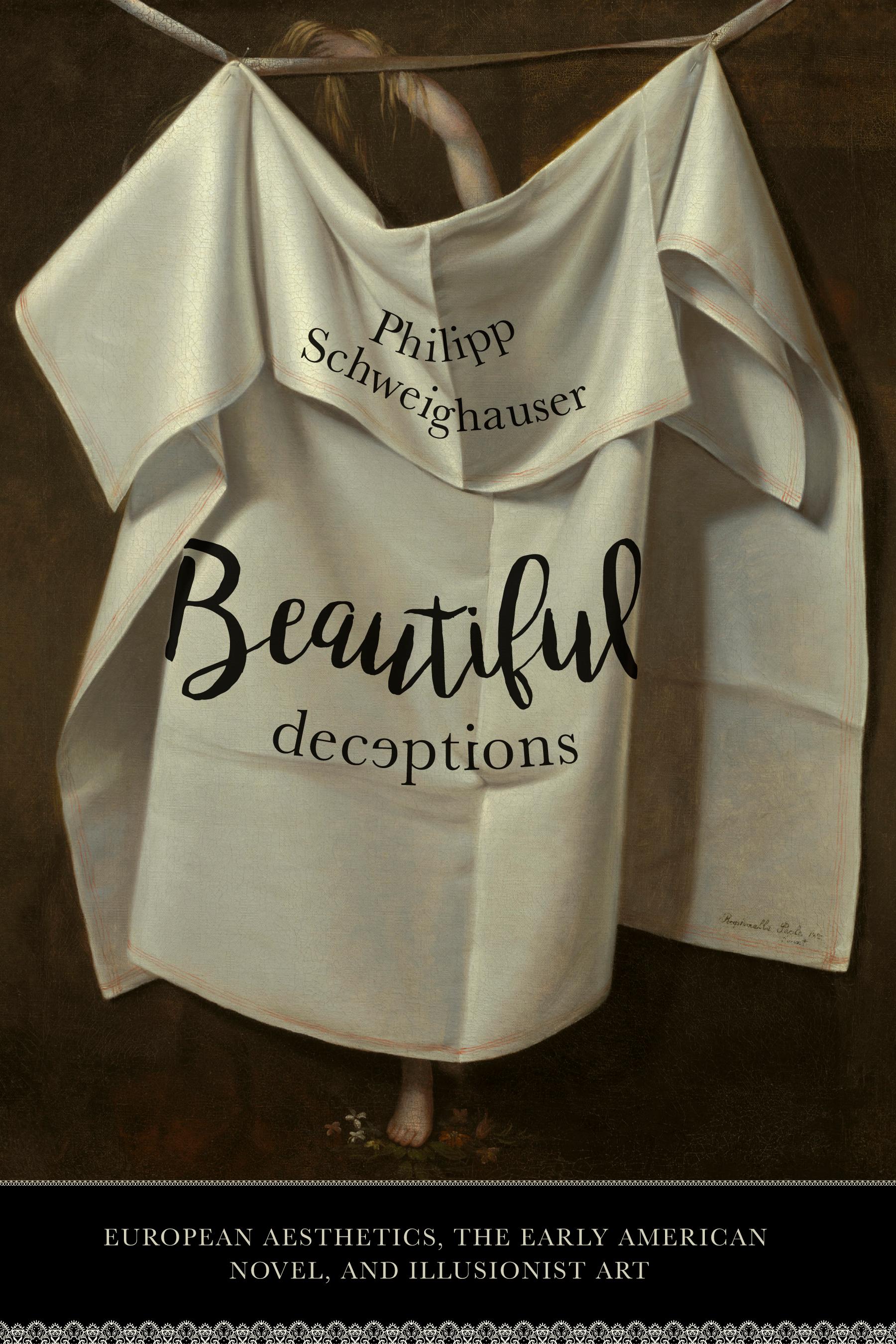
The art of the early republic abounds in representations of deception: the villains of Gothic novels deceive their victims with visual and acoustic tricks; the ordinary citizens of picaresque novels are hoodwinked by quacks and illiterate but shrewd adventurers; and innocent sentimental heroines fall for their seducers' eloquently voiced half-truths and lies. Yet, as Philipp Schweighauser points out in Beautiful Deceptions, deception happens not only within these novels but also through them. The fictions of Charles Brockden Brown, Hugh Henry Brackenridge, Susanna Rowson, Hannah Webster Foster, Tabitha Gilman Tenney, and Royall Tyler invent worlds that do not exist. Similarly, Charles Willson Peale's and Raphaelle Peale's trompe l'oeil paintings trick spectators into mistaking them for the real thing, and Patience Wright's wax sculptures deceive (and disturb) viewers.
Beautiful Deceptions examines how these and other artists of the era at times acknowledge art's dues to other social realms—religion, morality, politics—but at other times insist on artists' right to deceive their audiences, thus gesturing toward a more modern, autonomous notion of art that was only beginning to emerge in the eighteenth century. Building on Alexander Gottlieb Baumgarten's definition of aesthetics as "the science of sensuous cognition" and the writings of early European aestheticians including Kant, Schiller, Hume, and Burke, Schweighauser supplements the dominant political readings of deception in early American studies with an aesthetic perspective. Schweighauser argues that deception in and through early American art constitutes a comment on eighteenth-century debates concerning the nature and function of art as much as it responds to shifts in social and political organization.
Before Memmo my notes were scattered across PDFs. Now a workspace pulls everything into one place — I see exactly what's still left to study.
Memmo's summaries are gold before exams. I don't have to re-read 800 pages two weeks before — just the important parts.
The AI chat has saved me the night before an exam more than once. I just keep asking until I get it — no waiting on a study group to reply.
The quizzes hit exactly what I need to know. Memmo tracks what I get stuck on — so I only practice what's worth it.
Flashcards with spaced repetition are magic. Memmo knows when I'm about to forget something and brings it back.
The AI podcasts are my favorite. I listen on my way to school and get a recap without sitting at a computer.

Handbok i kvalitativa metoder
281 kr

Hållbar utveckling: en introduktion för ingenjörer och andra problemlösare
334 kr

Brymans Samhällsvetenskapliga metoder
390 kr

Projektledning
491 kr

Den orättvisa hälsan: om socioekonomiska skillnader i hälsa och livslängd
326 kr

Organizational Leadership
429 kr

Vetenskapsteori för nybörjare
196 kr

På väg mot läraryrket
172 kr

Det sociala livet i skolan: Socialpsykologiska perspektiv
253 kr

Betygsättningens didaktik
151 kr

Personality
402 kr

Studying Leadership
404 kr

Managing Innovation
477 kr

Introduktion till samhällsvetenskaplig metod
347 kr

The Psychology of Sex and Gender
698 kr

Evidens och kunskap för socialt arbete
207 kr

Introduction to Leadership
605 kr