
Before Memmo my notes were scattered across PDFs. Now a workspace pulls everything into one place — I see exactly what's still left to study.
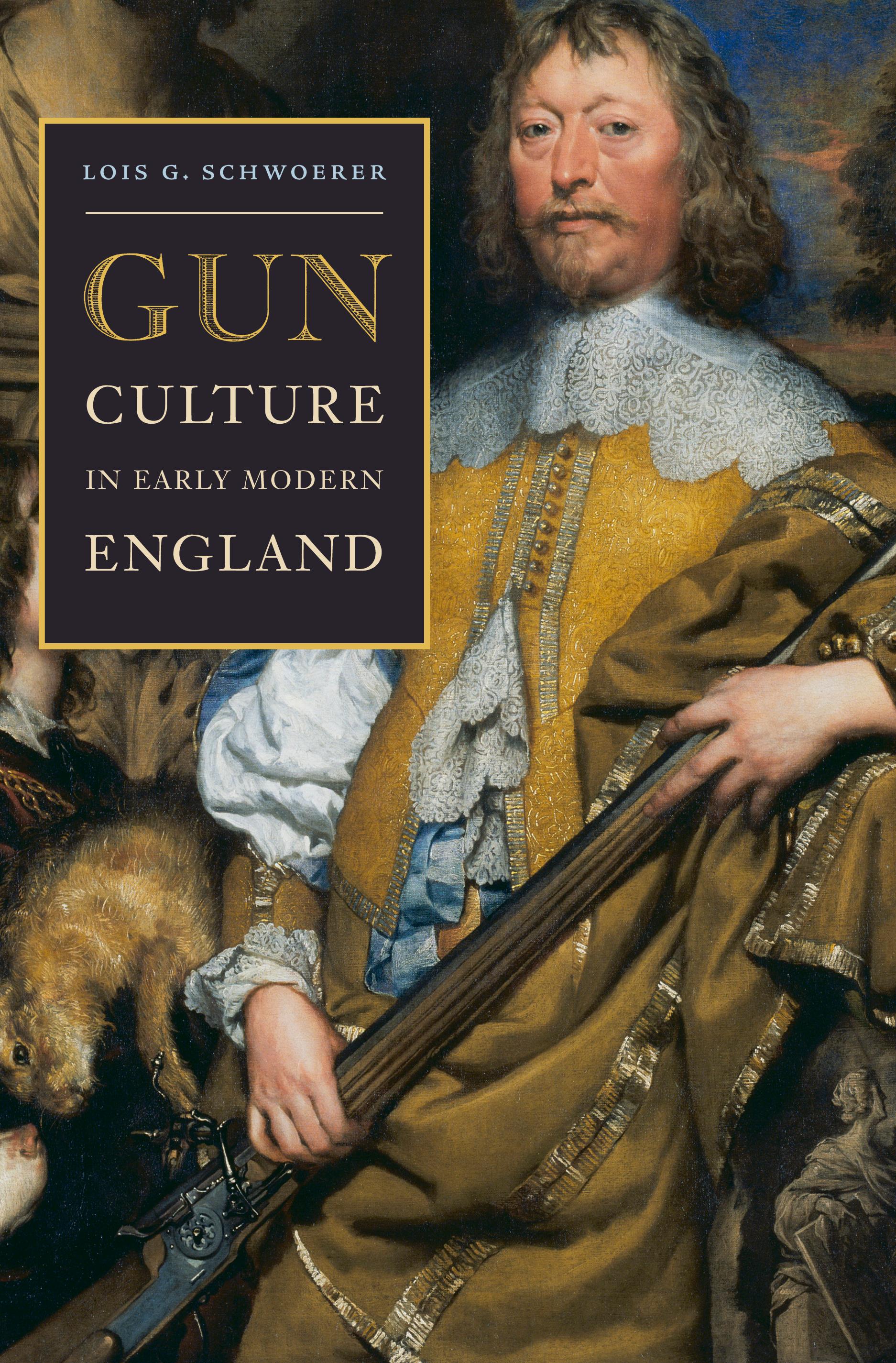
Guns had an enormous impact on the social, economic, cultural, and political lives of civilian men, women, and children of all social strata in early modern England. In this study, Lois Schwoerer identifies and analyzes England’s domestic gun culture from 1500 to 1740, uncovering how guns became available, what effects they had on society, and how different sectors of the population contributed to gun culture.
The rise of guns made for recreational use followed the development of a robust gun industry intended by King Henry VIII to produce artillery and handguns for war. Located first in London, the gun industry brought the city new sounds, smells, street names, shops, sights, and communities of gun workers, many of whom were immigrants. Elite men used guns for hunting, target shooting, and protection. They collected beautifully decorated guns, gave them as gifts, and included them in portraits and coats-of-arms, regarding firearms as a mark of status, power, and sophistication. With statutes and proclamations, the government legally denied firearms to subjects with an annual income under £100—about 98 percent of the population—whose reactions ranged from grudging acceptance to willful disobedience.
Schwoerer shows how this domestic gun culture influenced England’s Bill of Rights in 1689, a document often cited to support the claim that the Second Amendment to the United States Constitution conveys the right to have arms as an Anglo-American legacy. Schwoerer shows that the Bill of Rights did not grant a universal right to have arms, but rather a right restricted by religion, law, and economic standing, terms that reflected the nation's gun culture. Examining everything from gunmakers’ records to wills, and from period portraits to toy guns, Gun Culture in Early Modern England offers new data and fresh insights on the place of the gun in English society.
Before Memmo my notes were scattered across PDFs. Now a workspace pulls everything into one place — I see exactly what's still left to study.
Memmo's summaries are gold before exams. I don't have to re-read 800 pages two weeks before — just the important parts.
The AI chat has saved me the night before an exam more than once. I just keep asking until I get it — no waiting on a study group to reply.
The quizzes hit exactly what I need to know. Memmo tracks what I get stuck on — so I only practice what's worth it.
Flashcards with spaced repetition are magic. Memmo knows when I'm about to forget something and brings it back.
The AI podcasts are my favorite. I listen on my way to school and get a recap without sitting at a computer.

Handbok i kvalitativa metoder
281 kr

Hållbar utveckling: en introduktion för ingenjörer och andra problemlösare
334 kr

Brymans Samhällsvetenskapliga metoder
390 kr

Projektledning
491 kr

Den orättvisa hälsan: om socioekonomiska skillnader i hälsa och livslängd
326 kr

Vetenskapsteori för nybörjare
196 kr

Organizational Leadership
429 kr

På väg mot läraryrket
172 kr

Det sociala livet i skolan: Socialpsykologiska perspektiv
253 kr

Betygsättningens didaktik
151 kr

Personality
402 kr

Studying Leadership
404 kr

Managing Innovation
477 kr

Introduktion till samhällsvetenskaplig metod
347 kr

The Psychology of Sex and Gender
698 kr

Evidens och kunskap för socialt arbete
207 kr

Introduction to Leadership
605 kr