
Before Memmo my notes were scattered across PDFs. Now a workspace pulls everything into one place — I see exactly what's still left to study.
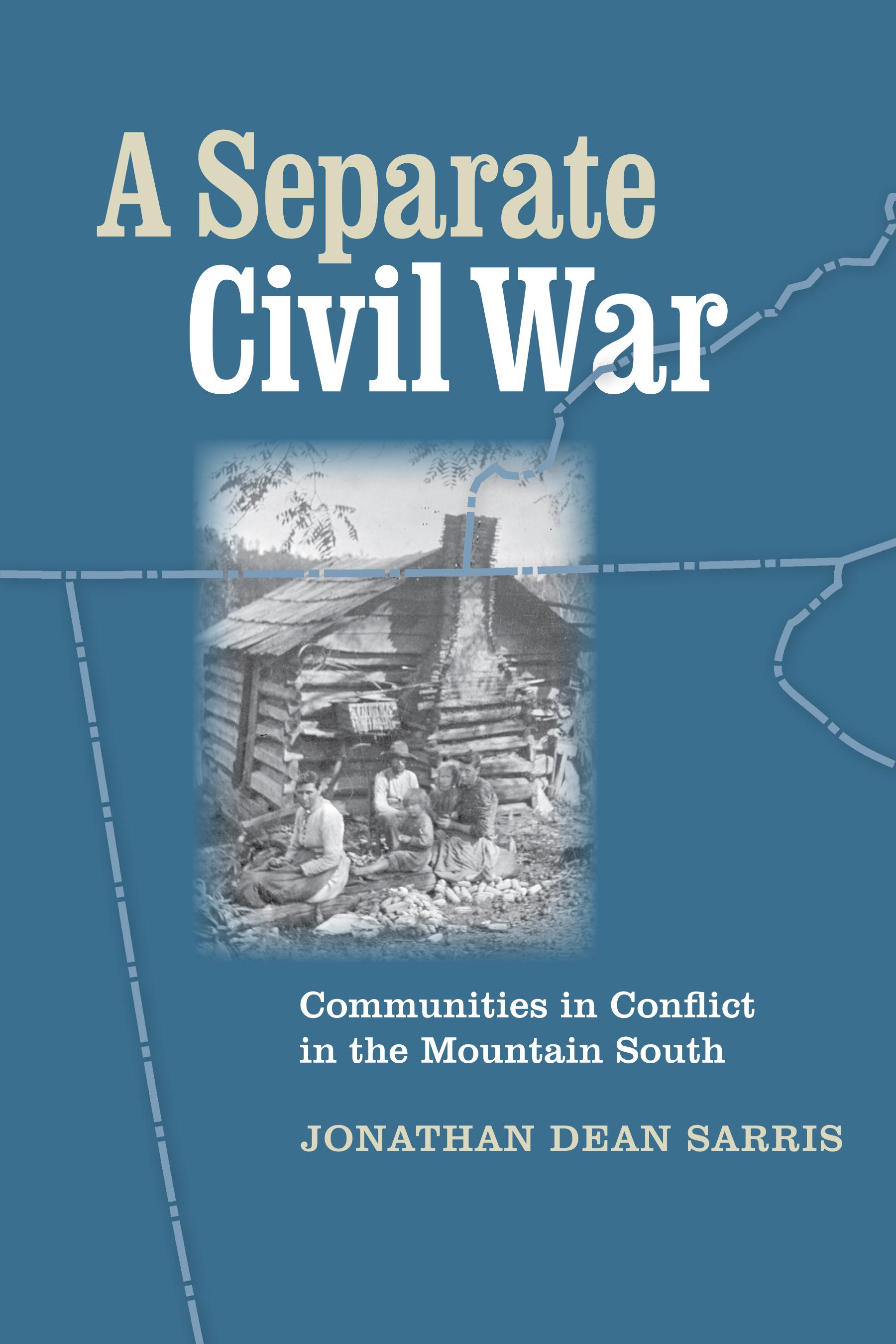
Most Americans think of the Civil War as a series of dramatic clashes between massive armies led by romantic-seeming leaders. But in the Appalachian communities of North Georgia, things were very different. Focusing on Fannin and Lumpkin counties in the Blue Ridge Mountains along Georgia’s northern border, A Separate Civil War: Communities in Conflict in the Mountain South argues for a more localized, idiosyncratic understanding of this momentous period in our nation’s history. The book reveals that, for many participants, this war was fought less for abstract ideological causes than for reasons tied to home, family, friends, and community.
Making use of a large trove of letters, diaries, interviews, government documents, and sociological data, Jonathan Dean Sarris brings to life a previously obscured version of our nation’s most divisive and destructive war. From the outset, the prospect of secession and war divided Georgia’s mountain communities along the lines of race and religion, and war itself only heightened these tensions. As the Confederate government began to draft men into the army and seize supplies from farmers, many mountaineers became more disaffected still. They banded together in armed squads, fighting off Confederate soldiers, state militia, and their own pro-Confederate neighbors. A local civil war ensued, with each side seeing the other as a threat to law, order, and community itself. In this very personal conflict, both factions came to dehumanize their enemies and use methods that shocked even seasoned soldiers with their savagery. But when the war was over in 1865, each faction sought to sanitize the past and integrate its stories into the national myths later popularized about the Civil War. By arguing that the reason for choosing sides had more to do with local concerns than with competing ideologies or social or political visions, Sarris adds a much-needed complication to the question of why men fought in the Civil War.
Before Memmo my notes were scattered across PDFs. Now a workspace pulls everything into one place — I see exactly what's still left to study.
Memmo's summaries are gold before exams. I don't have to re-read 800 pages two weeks before — just the important parts.
The AI chat has saved me the night before an exam more than once. I just keep asking until I get it — no waiting on a study group to reply.
The quizzes hit exactly what I need to know. Memmo tracks what I get stuck on — so I only practice what's worth it.
Flashcards with spaced repetition are magic. Memmo knows when I'm about to forget something and brings it back.
The AI podcasts are my favorite. I listen on my way to school and get a recap without sitting at a computer.

Handbok i kvalitativa metoder
281 kr

Hållbar utveckling: en introduktion för ingenjörer och andra problemlösare
334 kr

Brymans Samhällsvetenskapliga metoder
390 kr

Projektledning
491 kr

Den orättvisa hälsan: om socioekonomiska skillnader i hälsa och livslängd
326 kr

Organizational Leadership
429 kr

Vetenskapsteori för nybörjare
196 kr

På väg mot läraryrket
172 kr

Det sociala livet i skolan: Socialpsykologiska perspektiv
253 kr

Betygsättningens didaktik
151 kr

Personality
402 kr

Studying Leadership
404 kr

Managing Innovation
477 kr

Introduktion till samhällsvetenskaplig metod
347 kr

The Psychology of Sex and Gender
698 kr

Evidens och kunskap för socialt arbete
207 kr

Introduction to Leadership
605 kr