
Before Memmo my notes were scattered across PDFs. Now a workspace pulls everything into one place — I see exactly what's still left to study.
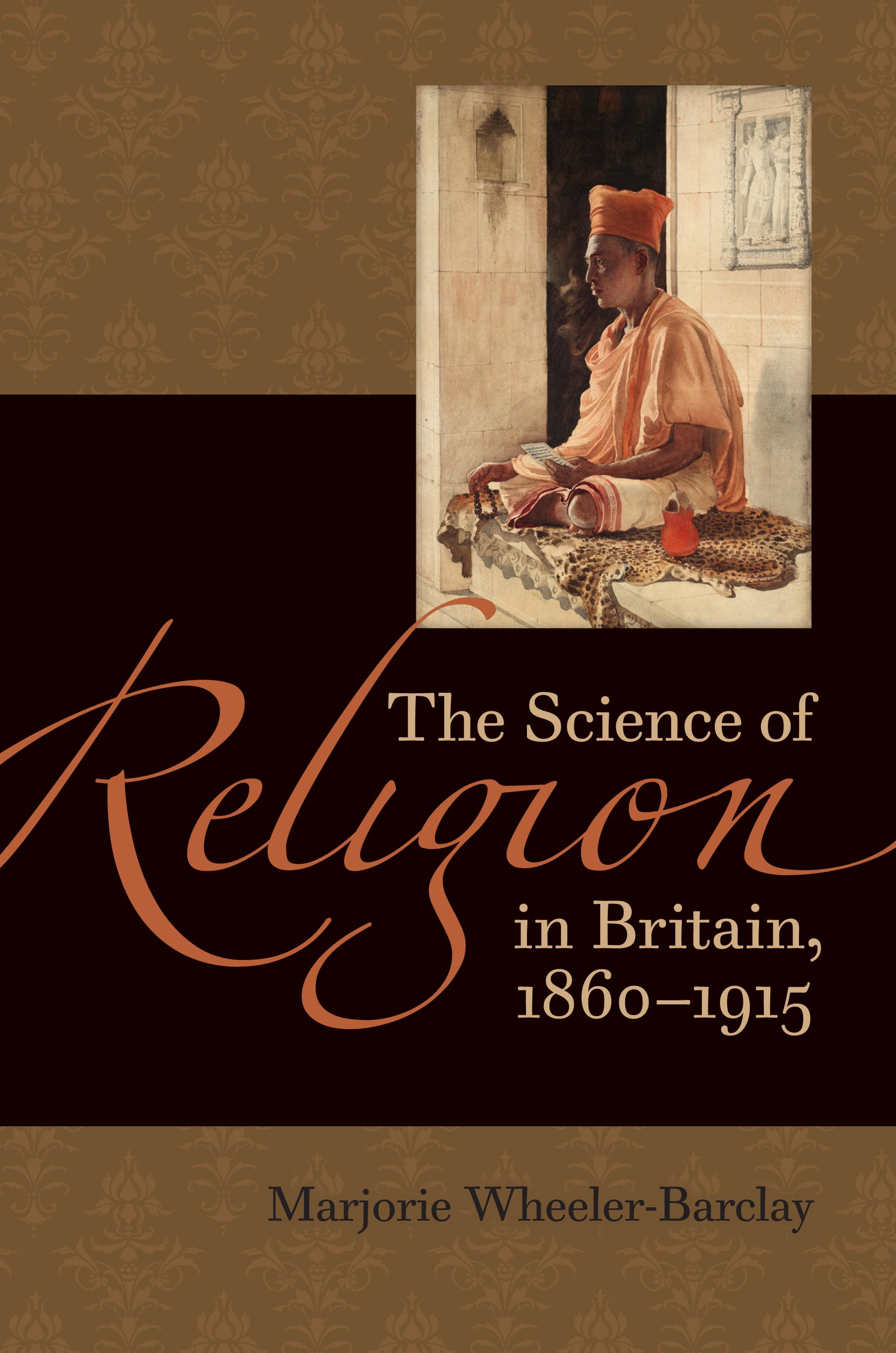
Marjorie Wheeler-Barclay argues that, although the existence and significance of the science of religion has been barely visible to modern scholars of the Victorian period, it was a subject of lively and extensive debate among nineteenth-century readers and audiences. She shows how an earlier generation of scholars in Victorian Britain attempted to arrive at a dispassionate understanding of the psychological and social meanings of religious beliefs and practices—a topic not without contemporary resonance in a time when so many people feel both empowered and threatened by religious passion—and provides the kind of history she feels has been neglected.
Wheeler-Barclay examines the lives and work of six scholars: Friedrich Max Müller, Edward B. Tylor, Andrew Lang, William Robertson Smith, James G. Frazer, and Jane Ellen Harrison. She illuminates their attempts to create a scholarly, non-apologetic study of religion and religions that drew upon several different disciplines, including anthropology, sociology, the classics, and Oriental studies, and relied upon contributions from those outside as well as within the universities. This intellectual enterprise—variously known as comparative religion, the history of religions, or the science of religion—was primarily focused on non-Christian religions. Yet in Wheeler-Barclay’s study of the history of this field within the broad contexts of Victorian cultural, intellectual, social, and political history, she traces the links between the emergence of the science of religion to debates about Christianity and to the history of British imperialism, the latter of which made possible the collection of so much of the ethnographic data on which the scholars relied and which legitimized exploration and conquest. Far from promoting an anti-religious or materialistic agenda, the science of religion opened up cultural space for an exploration of religion that was not constricted by the terms of contemporary conflicts over Darwin and the Bible and that made it possible to think in new and more flexible ways about the very definition of religion.
Before Memmo my notes were scattered across PDFs. Now a workspace pulls everything into one place — I see exactly what's still left to study.
Memmo's summaries are gold before exams. I don't have to re-read 800 pages two weeks before — just the important parts.
The AI chat has saved me the night before an exam more than once. I just keep asking until I get it — no waiting on a study group to reply.
The quizzes hit exactly what I need to know. Memmo tracks what I get stuck on — so I only practice what's worth it.
Flashcards with spaced repetition are magic. Memmo knows when I'm about to forget something and brings it back.
The AI podcasts are my favorite. I listen on my way to school and get a recap without sitting at a computer.

Handbok i kvalitativa metoder
281 kr

Hållbar utveckling: en introduktion för ingenjörer och andra problemlösare
334 kr

Brymans Samhällsvetenskapliga metoder
390 kr

Projektledning
491 kr

Den orättvisa hälsan: om socioekonomiska skillnader i hälsa och livslängd
326 kr

Vetenskapsteori för nybörjare
196 kr

Organizational Leadership
429 kr

På väg mot läraryrket
172 kr

Det sociala livet i skolan: Socialpsykologiska perspektiv
253 kr

Betygsättningens didaktik
151 kr

Personality
402 kr

Studying Leadership
404 kr

Managing Innovation
477 kr

Introduktion till samhällsvetenskaplig metod
347 kr

The Psychology of Sex and Gender
698 kr

Evidens och kunskap för socialt arbete
207 kr

Introduction to Leadership
605 kr