
Before Memmo my notes were scattered across PDFs. Now a workspace pulls everything into one place — I see exactly what's still left to study.
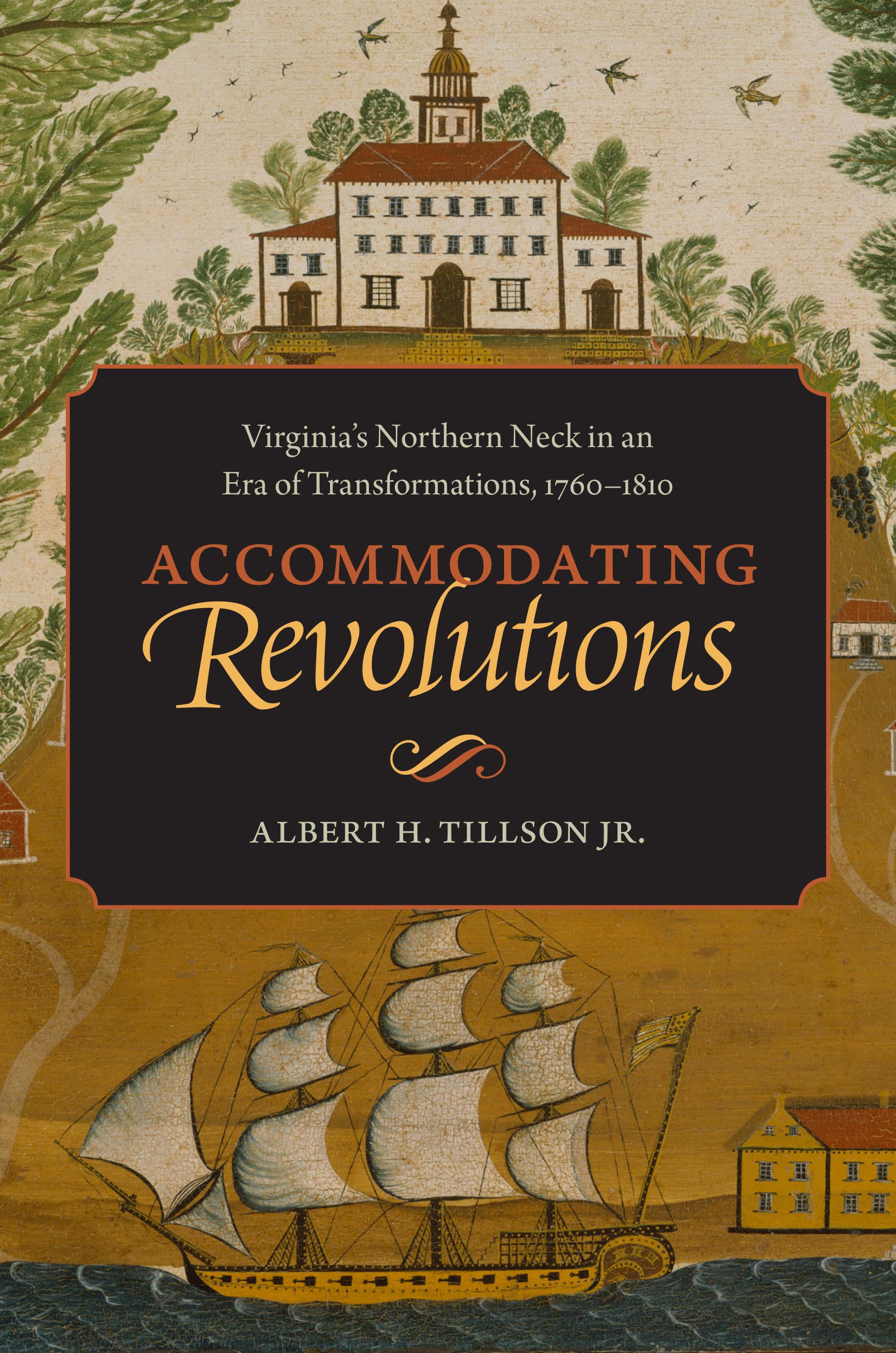
Accommodating Revolutions addresses a controversy of long standing among historians of eighteenth-century America and Virginia—the extent to which internal conflict and/or consensus characterized the society of the Revolutionary era. In particular, it emphasizes the complex and often self-defeating actions and decisions of dissidents and other non-elite groups. By focusing on a small but significant region, Tillson elucidates the multiple and interrelated sources of conflict that beset Revolutionary Virginia, but also explains why in the end so little changed.
In the Northern Neck—the six-county portion of Virginia's Tidewater lying between the Potomac and Rappahannock rivers—Tillson scrutinizes a wealthy and powerful, but troubled, planter elite, which included such prominent men as George Washington, Richard Henry Lee, Landon Carter, and Robert Carter. Throughout the late eighteenth and early nineteenth centuries, the Northern Neck gentry confronted not only contradictions in cultural ideals and behavioral patterns within their own lives, but also the chronic hostility of their poorer white neighbors, arising from a diverse array of local economic and political issues. These insecurities were further intensified by changes in the system of African American slavery and by the growing role of Scottish merchants and their Virginia agents in the marketing of Chesapeake tobacco. For a time, the upheavals surrounding the War for American Independence and the roughly contemporaneous rise of vibrant, biracial evangelical religious movements threatened to increase popular discontent to the point of overwhelming the gentry's political authority and cultural hegemony. But in the end, the existing order survived essentially intact. In part, this was because the region's leaders found ways to limit and accommodate threatening developments and patterns of change, largely through the use of traditional social and political appeals that had served them well for decades. Yet in part it was also because ordinary Northern Neckers—including many leaders in the movements of wartime and religious dissidence—consciously or unconsciously accommodated themselves to both the patterns of economic change transforming their world and to the traditional ideals of the elite, and thus were unable to articulate or accept an alternative vision for the future of the region.
Before Memmo my notes were scattered across PDFs. Now a workspace pulls everything into one place — I see exactly what's still left to study.
Memmo's summaries are gold before exams. I don't have to re-read 800 pages two weeks before — just the important parts.
The AI chat has saved me the night before an exam more than once. I just keep asking until I get it — no waiting on a study group to reply.
The quizzes hit exactly what I need to know. Memmo tracks what I get stuck on — so I only practice what's worth it.
Flashcards with spaced repetition are magic. Memmo knows when I'm about to forget something and brings it back.
The AI podcasts are my favorite. I listen on my way to school and get a recap without sitting at a computer.

Handbok i kvalitativa metoder
281 kr

Hållbar utveckling: en introduktion för ingenjörer och andra problemlösare
334 kr

Brymans Samhällsvetenskapliga metoder
390 kr

Projektledning
491 kr

Den orättvisa hälsan: om socioekonomiska skillnader i hälsa och livslängd
326 kr

Vetenskapsteori för nybörjare
196 kr

Organizational Leadership
429 kr

På väg mot läraryrket
172 kr

Det sociala livet i skolan: Socialpsykologiska perspektiv
253 kr

Betygsättningens didaktik
151 kr

Personality
402 kr

Studying Leadership
404 kr

Managing Innovation
477 kr

Introduktion till samhällsvetenskaplig metod
347 kr

The Psychology of Sex and Gender
698 kr

Evidens och kunskap för socialt arbete
207 kr

Introduction to Leadership
605 kr