
Before Memmo my notes were scattered across PDFs. Now a workspace pulls everything into one place — I see exactly what's still left to study.
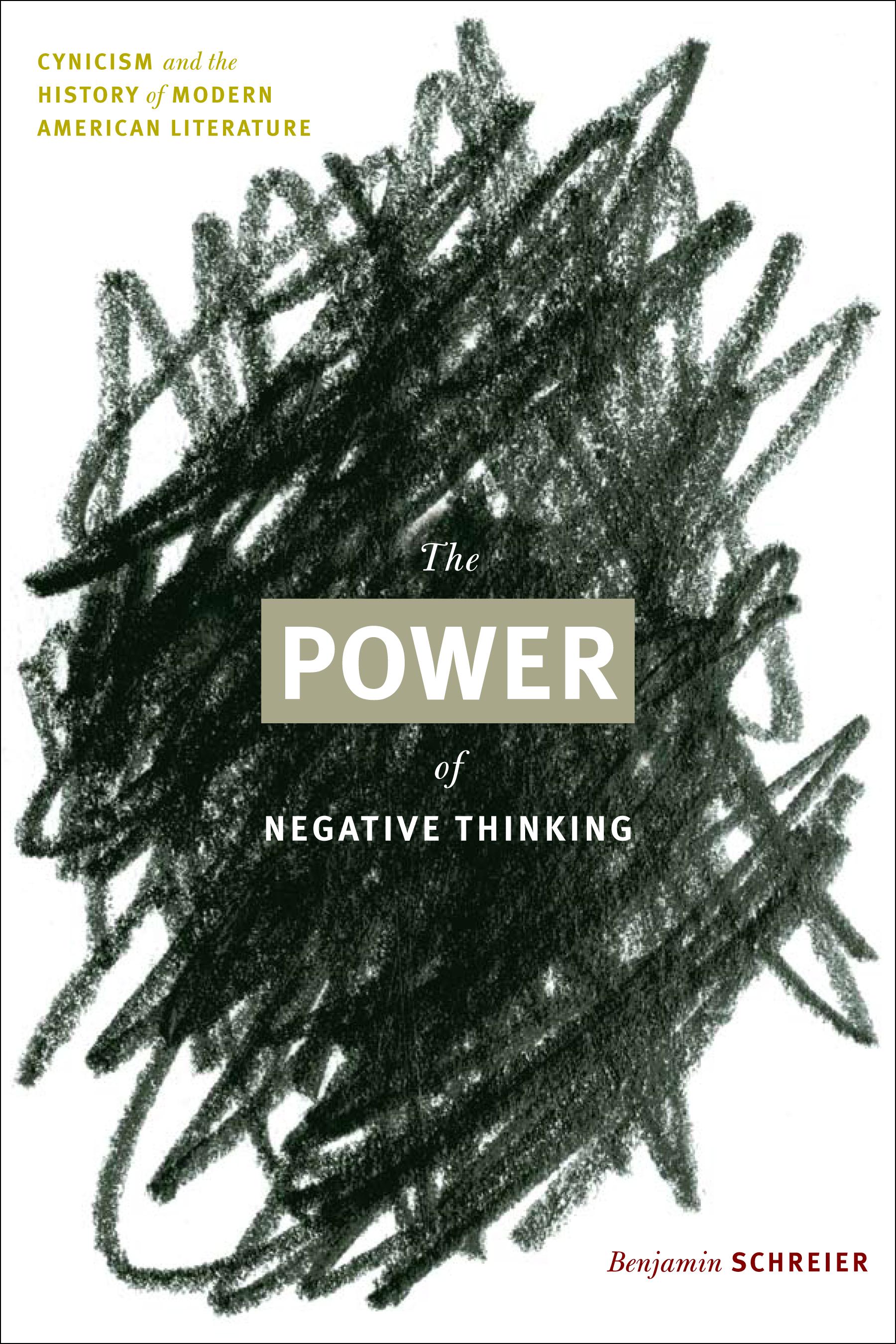
Benjamin Schreier is suspicious of a simple equation of cynicism with quietism, nihilism, selfishness, or false consciousness, and he rejects the notion that modern cynicism represents something categorically different from the classical outlook of Diogenes. He proposes, instead, that cynicism names the difficult position of not being able to recognize the relevance of democratic social norms in the future and yet being nonetheless invested in the power of these norms to determine cultural identity and to regulate social practices.
In his readings of Henry Adams’s Education, Willa Cather’s The Professor’s House, F. Scott Fitzgerald’s The Great Gatsby, and Nathanael West’s Miss Lonelyhearts, the author affirms that cynicism is an important and under-appreciated current in mainstream modern American literature. He finds that, far from the simple selfishness or apathy for which it is so often dismissed, the cynicism in these texts is suffused by a desire for the certainty promised by norms such as national teleology, ethnic identity, and civic participation. But without faith in the relevance of these regulating terms, cynics lack ready accounts of America and of their place in it. Schreier’s focus is not only on the cynical characters in the texts but also on the textual and epistemological strategies used to render normative narratives recognizably legitimate in the first place. In his refusal to historicize cynicism away with generalized claims about American society, Schreier argues instead that cynicism stages an unanswerable challenge to the specific expectations through which normative accounts of history become visible.
The Power of Negative Thinking makes a vital and wide-ranging contribution to our understanding of American literature, intellectual and cultural history, philosophy, ethics, and politics. Schreier’s close reading and his vigorous theoretical examination of analytical first principles combine to make a book that is valuable not only to the study of methodology but also to the scrutiny of the very assumptions the humanities bring to the exploration of the way we think.
Before Memmo my notes were scattered across PDFs. Now a workspace pulls everything into one place — I see exactly what's still left to study.
Memmo's summaries are gold before exams. I don't have to re-read 800 pages two weeks before — just the important parts.
The AI chat has saved me the night before an exam more than once. I just keep asking until I get it — no waiting on a study group to reply.
The quizzes hit exactly what I need to know. Memmo tracks what I get stuck on — so I only practice what's worth it.
Flashcards with spaced repetition are magic. Memmo knows when I'm about to forget something and brings it back.
The AI podcasts are my favorite. I listen on my way to school and get a recap without sitting at a computer.

Handbok i kvalitativa metoder
281 kr

Hållbar utveckling: en introduktion för ingenjörer och andra problemlösare
334 kr

Brymans Samhällsvetenskapliga metoder
390 kr

Projektledning
491 kr

Den orättvisa hälsan: om socioekonomiska skillnader i hälsa och livslängd
326 kr

Vetenskapsteori för nybörjare
196 kr

Organizational Leadership
429 kr

På väg mot läraryrket
172 kr

Det sociala livet i skolan: Socialpsykologiska perspektiv
253 kr

Betygsättningens didaktik
151 kr

Personality
402 kr

Studying Leadership
404 kr

Managing Innovation
477 kr

Introduktion till samhällsvetenskaplig metod
347 kr

The Psychology of Sex and Gender
698 kr

Evidens och kunskap för socialt arbete
207 kr

Introduction to Leadership
605 kr