
Before Memmo my notes were scattered across PDFs. Now a workspace pulls everything into one place — I see exactly what's still left to study.
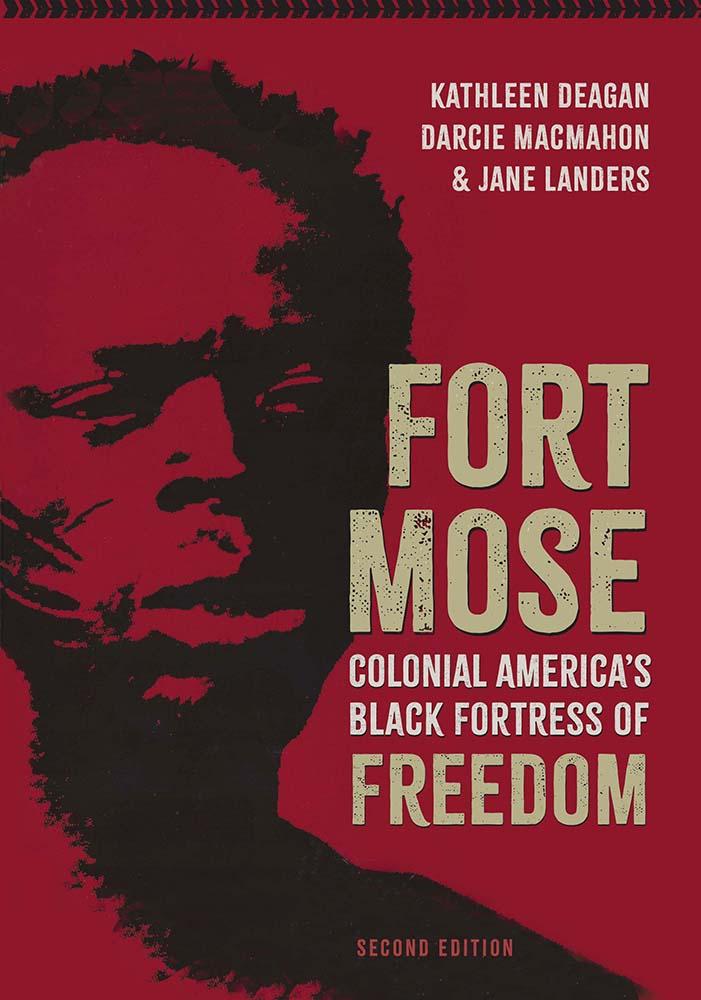
The illustrated story of the history and groundbreaking discovery of an important historical site, fully updated on the 30th anniversary of its first publication
More than 300 years ago, enslaved people of African descent risked their lives to escape from slavery on English plantations in South Carolina. Hearing that Spaniards in Florida promised religious sanctuary, they made their way south to St. Augustine, Florida. The Spanish established the fort and town of Gracia Real de Santa Teresa de Mose, the first legally sanctioned free Black community in what is now the United States. This book tells the story of Fort Mose and the people who lived there.
Fort Mose traces the roots of this eighteenth-century free Black town from Africa through Iberia and Hispanic America to the colonial southeastern United States. It also tells how archaeologists, historians, local residents, teachers, and politicians worked together in the late twentieth century to bring the rich but neglected history of free Black people in the Spanish colonies to the public. The site of Fort Mose is now a major point on the Florida Black Heritage Trail and has been designated a National Historic Landmark and a UNESCO Site of Memory. Research continues at the location to the present day.
This second edition is updated with new information uncovered about Fort Mose, its inhabitants, and its historical significance. It reflects recent developments in community involvement and preservation at the site. And as the first edition did, it challenges the idea that the American Black colonial experience was only that of slavery, offering a story of a courageous group of people of African descent who realized their vision of self-determination before the American Revolution.
Funding for this publication was provided through a grant from Florida Humanities with funds from the National Endowment for the Humanities. Any views, findings, conclusions, or recommendations expressed in this publication do not necessarily represent those of Florida Humanities or the National Endowment for the Humanities.
Before Memmo my notes were scattered across PDFs. Now a workspace pulls everything into one place — I see exactly what's still left to study.
Memmo's summaries are gold before exams. I don't have to re-read 800 pages two weeks before — just the important parts.
The AI chat has saved me the night before an exam more than once. I just keep asking until I get it — no waiting on a study group to reply.
The quizzes hit exactly what I need to know. Memmo tracks what I get stuck on — so I only practice what's worth it.
Flashcards with spaced repetition are magic. Memmo knows when I'm about to forget something and brings it back.
The AI podcasts are my favorite. I listen on my way to school and get a recap without sitting at a computer.

Handbok i kvalitativa metoder
281 kr

Hållbar utveckling: en introduktion för ingenjörer och andra problemlösare
334 kr

Brymans Samhällsvetenskapliga metoder
390 kr

Projektledning
491 kr

Den orättvisa hälsan: om socioekonomiska skillnader i hälsa och livslängd
326 kr

Vetenskapsteori för nybörjare
196 kr

Organizational Leadership
429 kr

På väg mot läraryrket
172 kr

Det sociala livet i skolan: Socialpsykologiska perspektiv
253 kr

Betygsättningens didaktik
151 kr

Personality
402 kr

Studying Leadership
404 kr

Managing Innovation
477 kr

Introduktion till samhällsvetenskaplig metod
347 kr

The Psychology of Sex and Gender
698 kr

Evidens och kunskap för socialt arbete
207 kr

Introduction to Leadership
605 kr