
Before Memmo my notes were scattered across PDFs. Now a workspace pulls everything into one place — I see exactly what's still left to study.
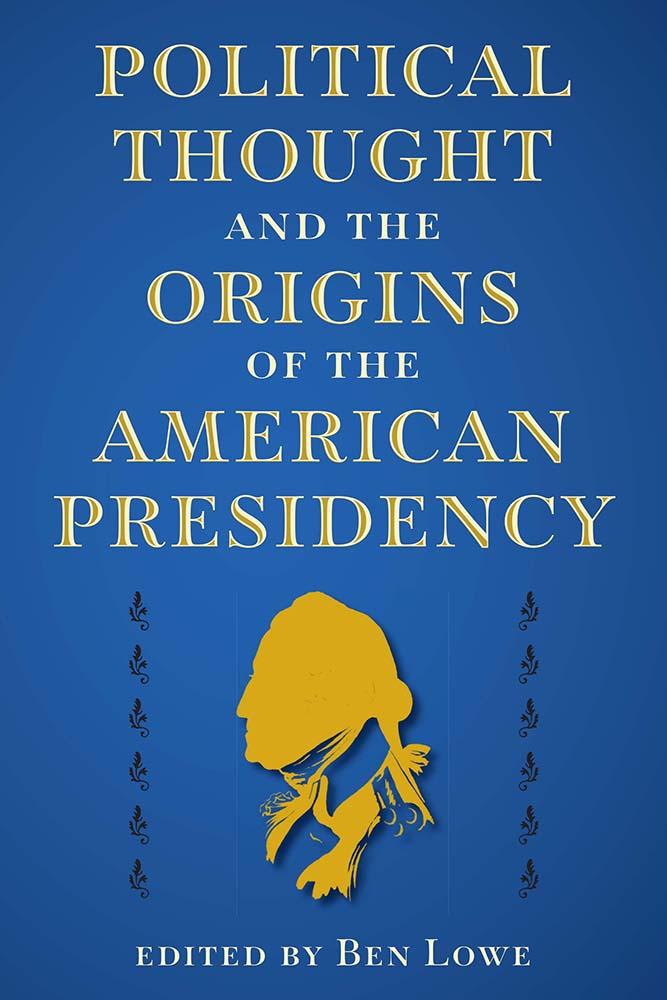
How the American executive office was constructed in the Constitution and implemented by the first presidents
This volume examines the political ideas behind the construction of the presidency in the U.S. Constitution, as well as how these ideas were implemented by the nation’s early presidents. The framers of the Constitution disagreed about the scope of the new executive role they were creating, and this volume reveals the ways the duties and power of the office developed contrary to many expectations.
Here, leading scholars of the early republic examine principles from European thought and culture that were key to establishing the conceptual language and institutional parameters for the American executive office. Unpacking the debates at the 1787 Constitutional Convention, these essays describe how the Constitution left room for the first presidents to set patterns of behavior and establish a range of duties to make the office functional within a governmental system of checks and balances. Contributors explore how these presidents understood their positions and fleshed out their full responsibilities according to the everyday operations required to succeed.
As disputes continue to surround the limits of executive power today, this volume helps identify and explain the circumstances in which limits can be imposed on presidents who seem to dangerously exceed the constitutional parameters of their office. Political Thought and the Origins of the American Presidency demonstrates that this distinctive, time-tested role developed from a fraught, historically contingent, and contested process.
Contributors: Claire Rydell Arcenas | Lindsay M. Chervinsky | François Furstenberg | Jonathan Gienapp | Daniel J. Hulsebosch | Ben Lowe | Max Skjönsberg | Eric Slauter | Caroline Winterer | Blair Worden | Rosemarie Zagarri
A volume in the Alan B. and Charna Larkin Series on the American Presidency
Before Memmo my notes were scattered across PDFs. Now a workspace pulls everything into one place — I see exactly what's still left to study.
Memmo's summaries are gold before exams. I don't have to re-read 800 pages two weeks before — just the important parts.
The AI chat has saved me the night before an exam more than once. I just keep asking until I get it — no waiting on a study group to reply.
The quizzes hit exactly what I need to know. Memmo tracks what I get stuck on — so I only practice what's worth it.
Flashcards with spaced repetition are magic. Memmo knows when I'm about to forget something and brings it back.
The AI podcasts are my favorite. I listen on my way to school and get a recap without sitting at a computer.

Handbok i kvalitativa metoder
281 kr

Hållbar utveckling: en introduktion för ingenjörer och andra problemlösare
334 kr

Brymans Samhällsvetenskapliga metoder
390 kr

Projektledning
491 kr

Den orättvisa hälsan: om socioekonomiska skillnader i hälsa och livslängd
326 kr

Vetenskapsteori för nybörjare
196 kr

Organizational Leadership
429 kr

På väg mot läraryrket
172 kr

Det sociala livet i skolan: Socialpsykologiska perspektiv
253 kr

Betygsättningens didaktik
151 kr

Personality
402 kr

Studying Leadership
404 kr

Managing Innovation
477 kr

Introduktion till samhällsvetenskaplig metod
347 kr

The Psychology of Sex and Gender
698 kr

Evidens och kunskap för socialt arbete
207 kr

Introduction to Leadership
605 kr