
Before Memmo my notes were scattered across PDFs. Now a workspace pulls everything into one place — I see exactly what's still left to study.
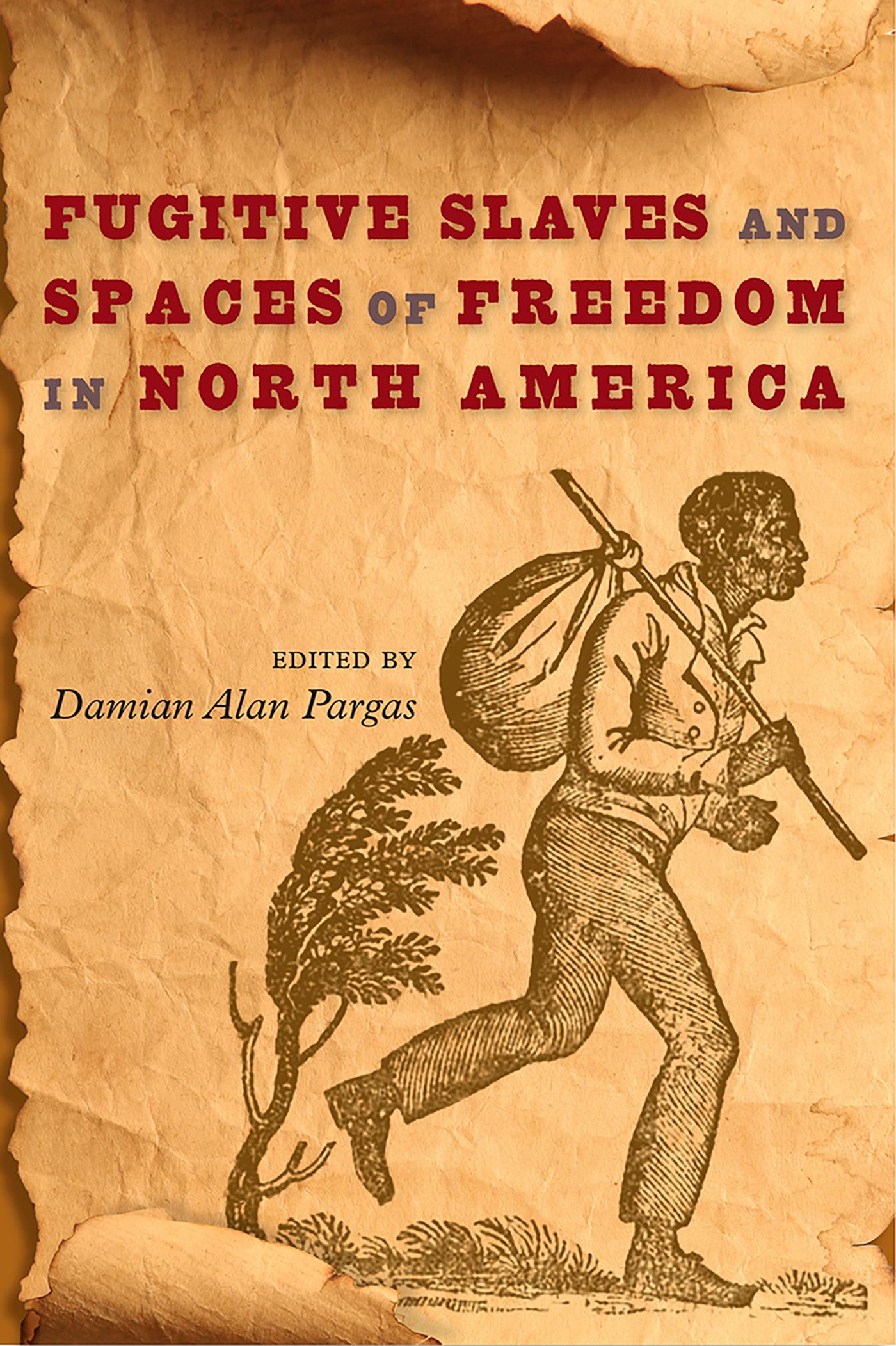
This volume introduces a new way to study the experiences of runaway slaves by defining different “spaces of freedom” they inhabited. It also provides a groundbreaking continental view of fugitive slave migration, moving beyond the usual regional or national approaches to explore locations in Canada, the U.S. North and South, Mexico, and the Caribbean. Using newspapers, advertisements, and new demographic data, contributors show how events like the Revolutionary War and westward expansion shaped the slave experience.
Contributors investigate sites of formal freedom, where slavery was abolished and refugees were legally free, to determine the extent to which fugitive slaves experienced freedom in places like Canada while still being subject to racism. In sites of semiformal freedom, as in the northern United States, fugitives’ claims to freedom were precarious because state abolition laws conflicted with federal fugitive slave laws. Contributors show how local committees strategized to interfere with the work of slave catchers to protect refugees. Sites of informal freedom were created within the slaveholding South, where runaways who felt relocating to distant destinations was too risky formed maroon communities or attempted to blend in with free black populations. These individuals procured false documents or changed their names to avoid detection and pass as free.
The essays discuss slaves’ motivations for choosing these destinations, the social networks that supported their plans, what it was like to settle in their new societies, and how slave flight impacted broader debates about slavery. This volume redraws the map of escape and emancipation during this period, emphasizing the importance of place in defining the meaning and extent of freedom.
Contributors: Kyle Ainsworth | Mekala Audain | Gordon S. Barker | Sylviane A. Diouf | Roy E. Finkenbine | Graham Russell Gao Hodges | Jeffrey R. Kerr-Ritchie | Viola Franziska Müller | James David Nichols | Damian Alan Pargas | Matthew Pinsker
A volume in the series Southern Dissent, edited by Stanley Harrold and Randall M. Miller
Before Memmo my notes were scattered across PDFs. Now a workspace pulls everything into one place — I see exactly what's still left to study.
Memmo's summaries are gold before exams. I don't have to re-read 800 pages two weeks before — just the important parts.
The AI chat has saved me the night before an exam more than once. I just keep asking until I get it — no waiting on a study group to reply.
The quizzes hit exactly what I need to know. Memmo tracks what I get stuck on — so I only practice what's worth it.
Flashcards with spaced repetition are magic. Memmo knows when I'm about to forget something and brings it back.
The AI podcasts are my favorite. I listen on my way to school and get a recap without sitting at a computer.

Handbok i kvalitativa metoder
281 kr

Hållbar utveckling: en introduktion för ingenjörer och andra problemlösare
334 kr

Brymans Samhällsvetenskapliga metoder
390 kr

Projektledning
491 kr

Den orättvisa hälsan: om socioekonomiska skillnader i hälsa och livslängd
326 kr

Vetenskapsteori för nybörjare
196 kr

Organizational Leadership
429 kr

På väg mot läraryrket
172 kr

Det sociala livet i skolan: Socialpsykologiska perspektiv
253 kr

Betygsättningens didaktik
151 kr

Personality
402 kr

Studying Leadership
404 kr

Managing Innovation
477 kr

Introduktion till samhällsvetenskaplig metod
347 kr

The Psychology of Sex and Gender
698 kr

Evidens och kunskap för socialt arbete
207 kr

Introduction to Leadership
605 kr