
Before Memmo my notes were scattered across PDFs. Now a workspace pulls everything into one place — I see exactly what's still left to study.
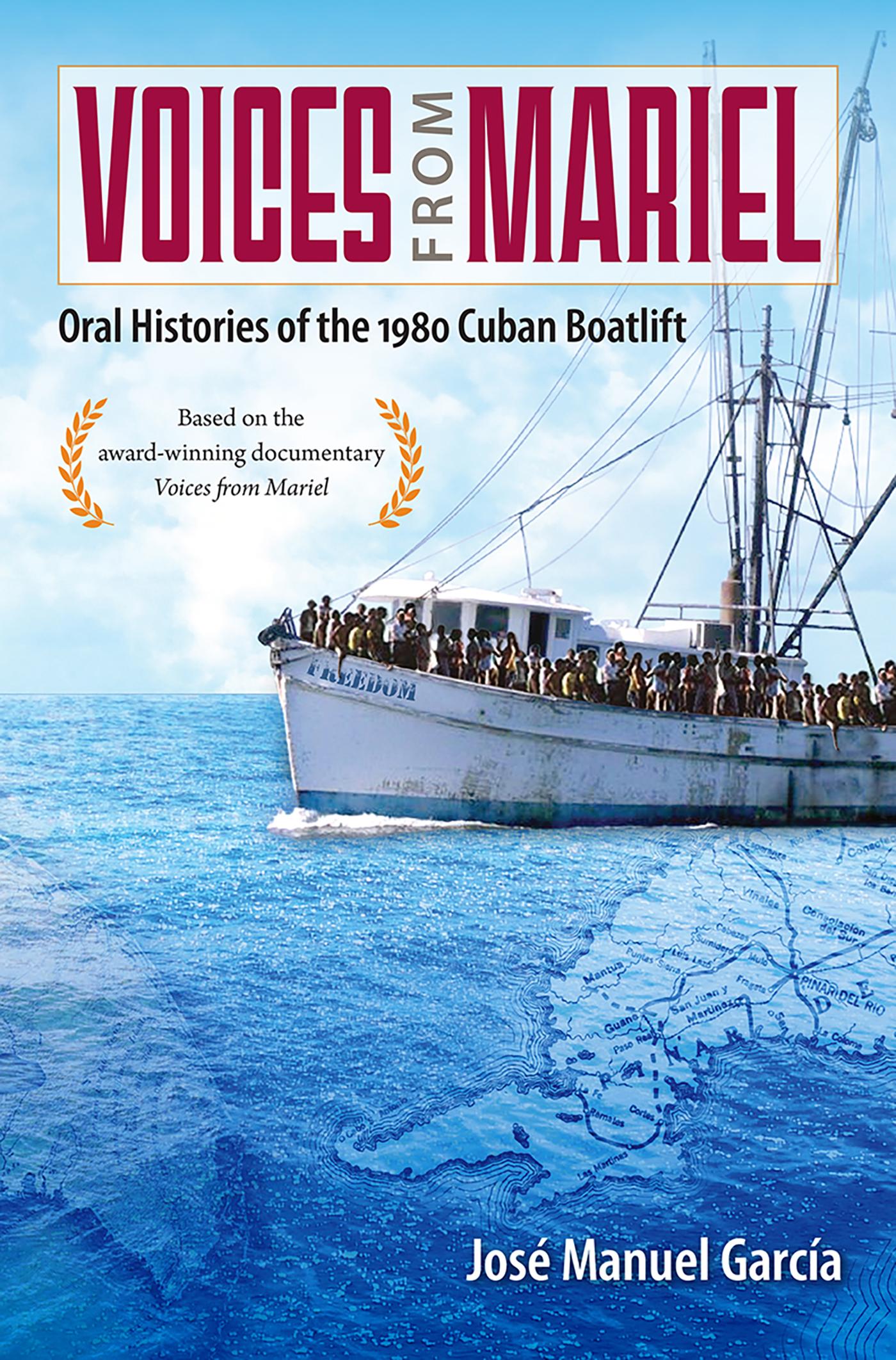
The stories of Cuban refugees who journeyed across the straits of Florida in search of a better future
Between April and September 1980, more than 125,000 Cuban refugees fled their homeland, seeking freedom from Fidel Castro’s dictatorship. They departed in boats from the port of Mariel and braved the dangerous 90-mile journey across the Straits of Florida. Told in the words of the immigrants themselves, the stories in Voices from Mariel offer an up-close view of this international crisis, the largest overseas mass migration in Latin American history.
Former refugees describe what it was like to gather among thousands of dissidents on the grounds of the Peruvian embassy in Cuba where the movement first began. They were abused by the masses who protested them as they made their way to the Mariel harbor, before Castro permitted them to leave the country in an attempt to disperse the civil unrest. They waited interminably for boats in oppressive heat, squalor, and desperation at the crowded tent camp known as “El Mosquito.” They embarked on vessels overloaded with too many passengers and battled harrowing storms on their journeys across the open ocean.
Author José Manuel García, who emigrated on the Mariel boatlift as a teenager, describes the events that led to the exodus and explains why so many Cubans wanted to leave the island. The shockingly high numbers of refugees who came through immigration centers in Key West, Miami, and other parts of the United States sent a message to the world—loud and clear—of the people’s discontent with Castro’s government and the unfulfilled promises of the Cuban Revolution. Based on the award-winning documentary of the same name, Voices from Mariel features the experiences of marielitos from all walks of life. These are stories of disappointed dreams, love for family and country, and hope for a better future.
This book illuminates a powerful moment in history that will continue to be felt in Cuba and the United States for generations to come.
Before Memmo my notes were scattered across PDFs. Now a workspace pulls everything into one place — I see exactly what's still left to study.
Memmo's summaries are gold before exams. I don't have to re-read 800 pages two weeks before — just the important parts.
The AI chat has saved me the night before an exam more than once. I just keep asking until I get it — no waiting on a study group to reply.
The quizzes hit exactly what I need to know. Memmo tracks what I get stuck on — so I only practice what's worth it.
Flashcards with spaced repetition are magic. Memmo knows when I'm about to forget something and brings it back.
The AI podcasts are my favorite. I listen on my way to school and get a recap without sitting at a computer.

Handbok i kvalitativa metoder
281 kr

Hållbar utveckling: en introduktion för ingenjörer och andra problemlösare
334 kr

Brymans Samhällsvetenskapliga metoder
390 kr

Projektledning
491 kr

Den orättvisa hälsan: om socioekonomiska skillnader i hälsa och livslängd
326 kr

Organizational Leadership
429 kr

Vetenskapsteori för nybörjare
196 kr

På väg mot läraryrket
172 kr

Det sociala livet i skolan: Socialpsykologiska perspektiv
253 kr

Betygsättningens didaktik
151 kr

Personality
402 kr

Studying Leadership
404 kr

Managing Innovation
477 kr

Introduktion till samhällsvetenskaplig metod
347 kr

The Psychology of Sex and Gender
698 kr

Evidens och kunskap för socialt arbete
207 kr

Introduction to Leadership
605 kr