
Before Memmo my notes were scattered across PDFs. Now a workspace pulls everything into one place — I see exactly what's still left to study.
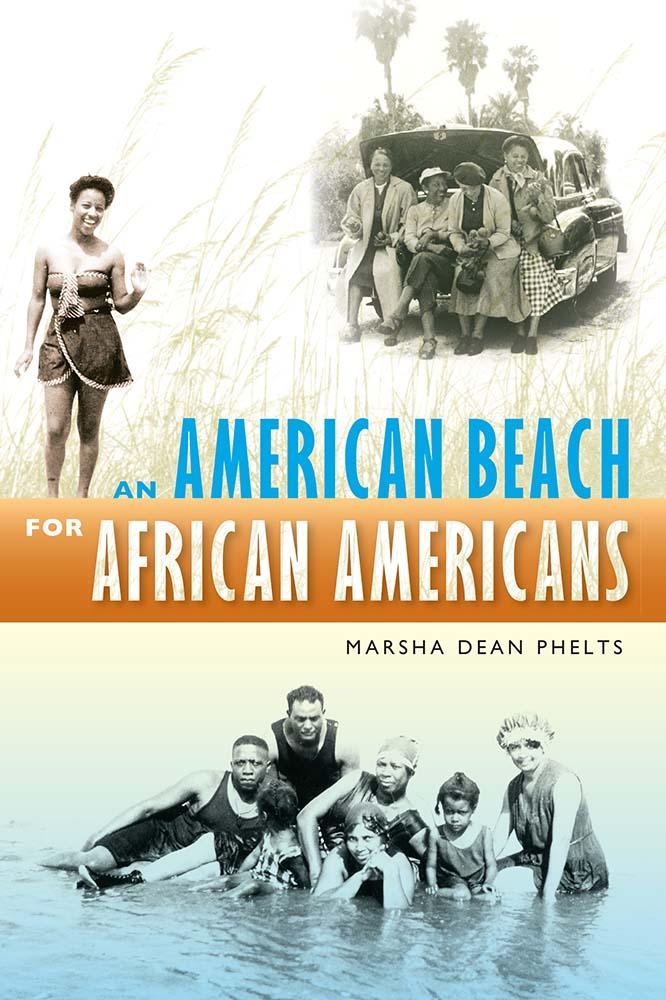
In the only complete history of Florida’s American Beach to date, Marsha Dean Phelts draws together personal interviews, photos, newspaper articles, memoirs, maps, and official documents to reconstruct the character and traditions of Amelia Island’s 200-acre African American community. In its heyday, when other beaches grudgingly provided only limited access, black vacationers traveled as many as 1,000 miles down the east coast of the United States and hundreds of miles along the Gulf coast to a beachfront that welcomed their business.
Beginning in 1781 with the Samuel Harrison homestead on the southern end of Amelia Island, Phelts traces the birth of the community to General Sherman’s Special Field Order No. 15, in which the Union granted many former Confederate coastal holdings, including Harrison’s property, to former slaves. She then follows the lineage of the first African American families known to have settled in the area to descendants remaining there today, including those of Zephaniah Kingsley and his wife, Anna Jai.
Moving through the Jim Crow era, Phelts describes the development of American Beach’s predecessors in the early 1900s. Finally, she provides the fullest account to date of the life and contributions of Abraham Lincoln Lewis, the wealthy African American businessman who in 1935, as president of the Afro-American Life Insurance Company, initiated the purchase and development of the tract of seashore known as American Beach. From Lewis’s arrival on the scene, Phelts follows the community’s sustained development and growth, highlighting landmarks like the Ocean-Vu-Inn and the Blue Palace and concluding with a stirring plea for the preservation of American Beach, which is currently threatened by encroaching development.
In a narrative full of firsthand accounts and "old-timer" stories, Phelts, who has vacationed at American Beach since she was four and now lives there, frequently adopts the style of an oral historian to paint what is ultimately a personal and intimate portrait of a community rich in heritage and culture.
Before Memmo my notes were scattered across PDFs. Now a workspace pulls everything into one place — I see exactly what's still left to study.
Memmo's summaries are gold before exams. I don't have to re-read 800 pages two weeks before — just the important parts.
The AI chat has saved me the night before an exam more than once. I just keep asking until I get it — no waiting on a study group to reply.
The quizzes hit exactly what I need to know. Memmo tracks what I get stuck on — so I only practice what's worth it.
Flashcards with spaced repetition are magic. Memmo knows when I'm about to forget something and brings it back.
The AI podcasts are my favorite. I listen on my way to school and get a recap without sitting at a computer.

Handbok i kvalitativa metoder
281 kr

Hållbar utveckling: en introduktion för ingenjörer och andra problemlösare
334 kr

Brymans Samhällsvetenskapliga metoder
390 kr

Projektledning
491 kr

Den orättvisa hälsan: om socioekonomiska skillnader i hälsa och livslängd
326 kr

Vetenskapsteori för nybörjare
196 kr

Organizational Leadership
429 kr

På väg mot läraryrket
172 kr

Det sociala livet i skolan: Socialpsykologiska perspektiv
253 kr

Betygsättningens didaktik
151 kr

Personality
402 kr

Studying Leadership
404 kr

Managing Innovation
477 kr

Introduktion till samhällsvetenskaplig metod
347 kr

The Psychology of Sex and Gender
698 kr

Evidens och kunskap för socialt arbete
207 kr

Introduction to Leadership
605 kr