
Before Memmo my notes were scattered across PDFs. Now a workspace pulls everything into one place — I see exactly what's still left to study.
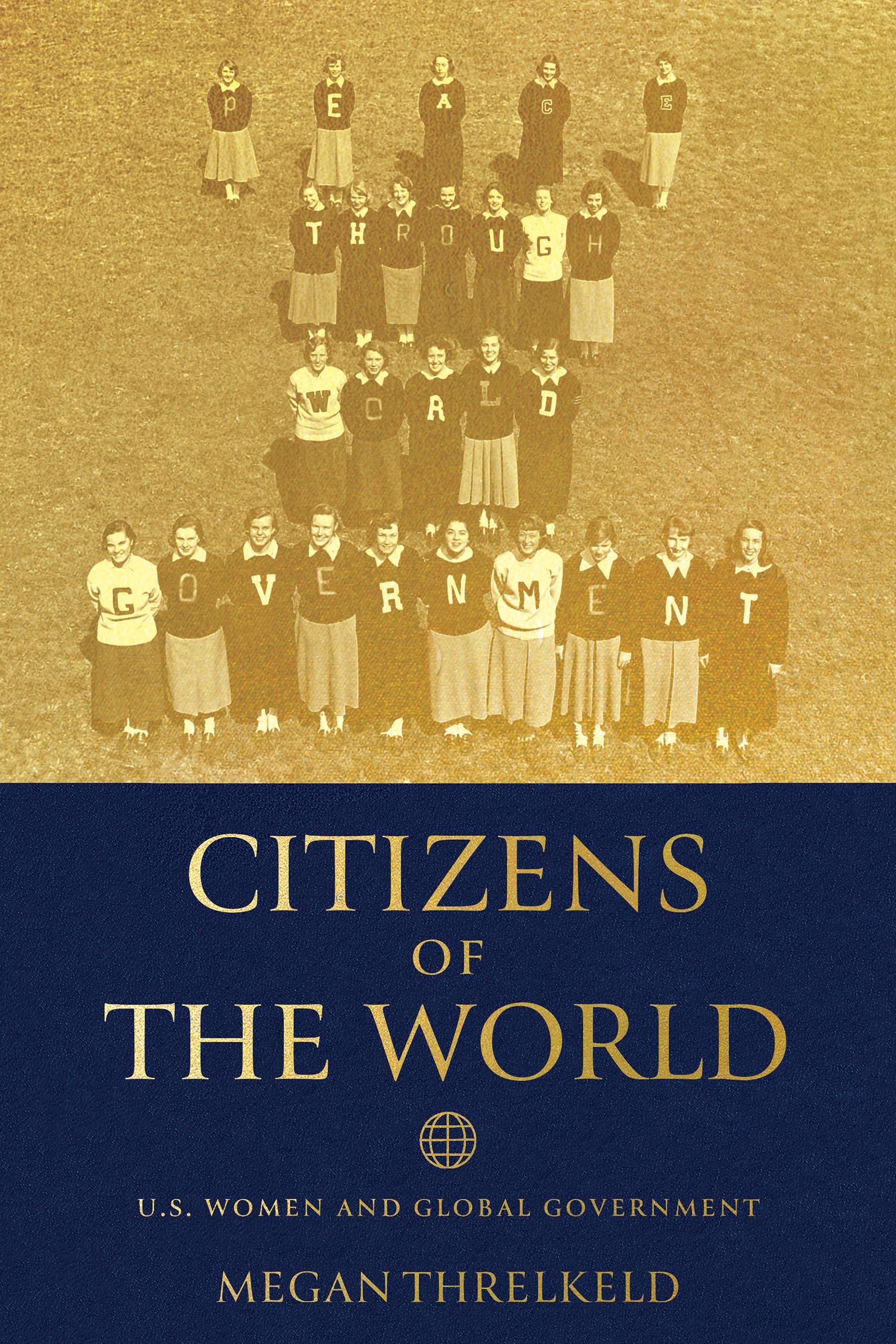
Between 1900 and 1950, many internationalist U.S. women referred to themselves as "citizens of the world." This book argues that the phrase was not simply a rhetorical flourish; it represented a demand to participate in shaping the global polity and an expression of women's obligation to work for peace and equality. The nine women profiled here invoked world citizenship as they promoted world government—a permanent machinery to end war, whether in the form of the League of Nations, the United Nations, or a full-fledged world federation.
These women agreed neither on the best form for such a government nor on the best means to achieve it, and they had different definitions of peace and different levels of commitment to genuine equality. But they all saw themselves as part of a global effort to end war that required their participation in the international body politic. Excluded from full national citizenship, they saw in the world polity opportunities for engagement and equality as well as for peace. Claiming world citizenship empowered them on the world stage. It gave them a language with which to advocate for international cooperation.
Citizens of the World not only provides a more complete understanding of the kind of world these women envisioned and the ways in which they claimed membership in the global community. It also draws attention to the ways in which they were excluded from international institution-building and to the critiques many of them leveled at those institutions. Women's arguments for world government and their practices of world citizenship represented an alternative reaction to the crises of the first half of the twentieth century, one predicated on cooperation and equality rather than competition and force.
Before Memmo my notes were scattered across PDFs. Now a workspace pulls everything into one place — I see exactly what's still left to study.
Memmo's summaries are gold before exams. I don't have to re-read 800 pages two weeks before — just the important parts.
The AI chat has saved me the night before an exam more than once. I just keep asking until I get it — no waiting on a study group to reply.
The quizzes hit exactly what I need to know. Memmo tracks what I get stuck on — so I only practice what's worth it.
Flashcards with spaced repetition are magic. Memmo knows when I'm about to forget something and brings it back.
The AI podcasts are my favorite. I listen on my way to school and get a recap without sitting at a computer.

Handbok i kvalitativa metoder
281 kr

Hållbar utveckling: en introduktion för ingenjörer och andra problemlösare
334 kr

Brymans Samhällsvetenskapliga metoder
390 kr

Projektledning
491 kr

Den orättvisa hälsan: om socioekonomiska skillnader i hälsa och livslängd
326 kr

Vetenskapsteori för nybörjare
196 kr

Organizational Leadership
429 kr

På väg mot läraryrket
172 kr

Det sociala livet i skolan: Socialpsykologiska perspektiv
253 kr

Betygsättningens didaktik
151 kr

Personality
402 kr

Studying Leadership
404 kr

Managing Innovation
477 kr

Introduktion till samhällsvetenskaplig metod
347 kr

The Psychology of Sex and Gender
698 kr

Evidens och kunskap för socialt arbete
207 kr

Introduction to Leadership
605 kr