
Before Memmo my notes were scattered across PDFs. Now a workspace pulls everything into one place — I see exactly what's still left to study.
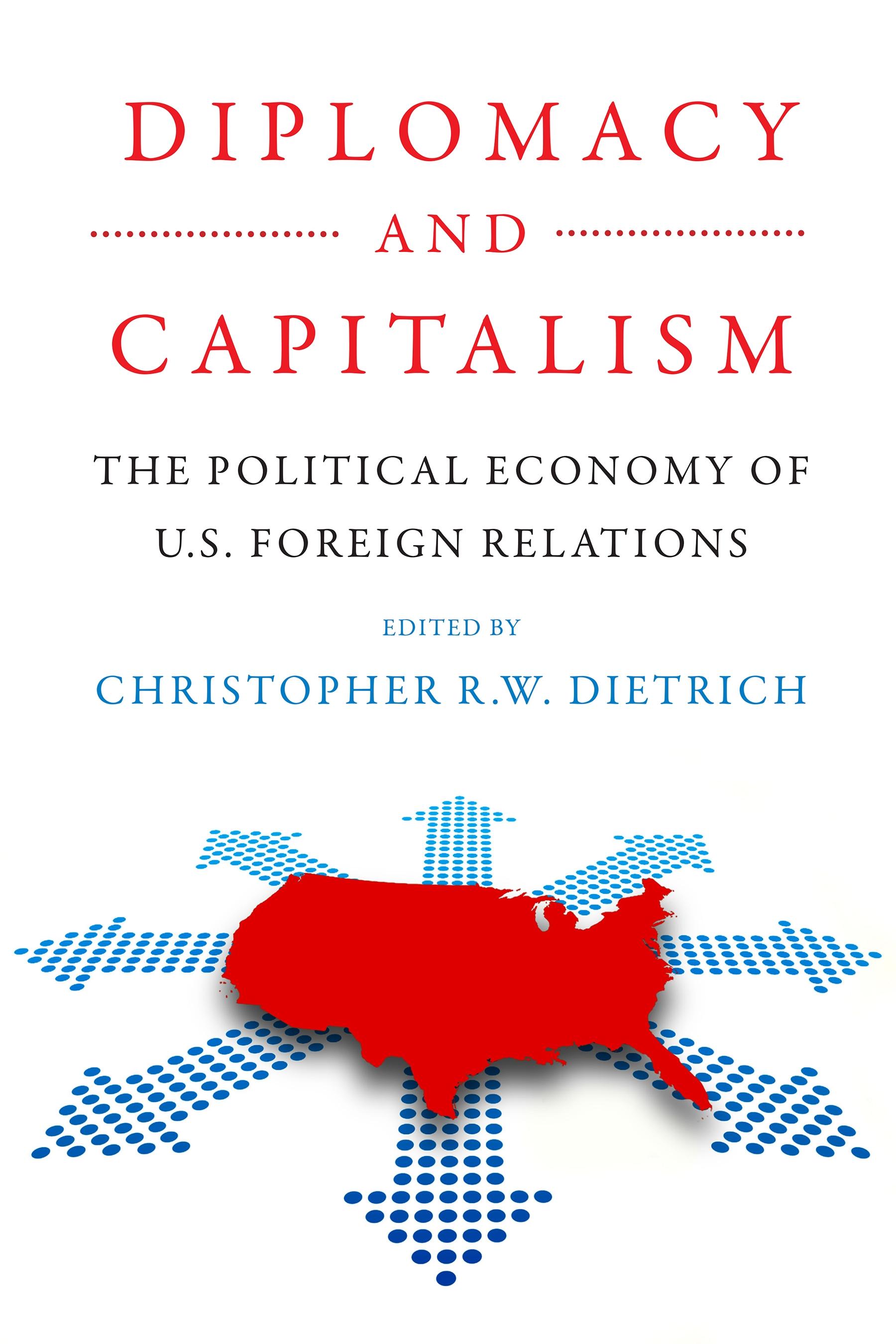
At the same time as modern capitalism became an engine of progress and a source of inequality, the United States rose to global power. Hence diplomacy and the forces of capitalism have continually evolved together and shaped each other at different levels of international, national, and local transformations. Diplomacy and Capitalism focuses on the crucial questions of wealth and power in the United States and the world in the twentieth century. Through a series of wide-ranging case studies on the history of international political economy and its array of state and non-state actors, the volume's authors analyze how material interests and foreign relations shaped each other. How did the rising and then disproportionate power of the United States and the actions of corporations, creditors, diplomats, and soldiers shape the twentieth-century world? How did officials in the United States and other nations understand the relationship between foreign investment and the state? How did people outside of the United States respond to and shape American diplomacy and political-economic policy? In detailed discussions of the exchanges and entanglements of capitalism and diplomacy, the authors answer these crucial questions. In doing so, they excavate how different combinations of material interest, geopolitical rivalry, and ideology helped create the world we live in today. The book thus analyzes competing and shared visions of international capitalism and U.S. diplomatic influence in chapters that bring the book's readers from the dawn of the twentieth century to its end, from Theodore Roosevelt to Ronald Reagan.
Contributors: Abou Bamba, Giulia Crisanti, Christopher R. W. Dietrich, Max Paul Friedman, Joseph Fronczak, Alec Hickmott, Jennifer M. Miller, Alanna O'Malley, Nicole Sackley, Jayita Sarkar, Erum Sattar, Jason Scott Smith.
Before Memmo my notes were scattered across PDFs. Now a workspace pulls everything into one place — I see exactly what's still left to study.
Memmo's summaries are gold before exams. I don't have to re-read 800 pages two weeks before — just the important parts.
The AI chat has saved me the night before an exam more than once. I just keep asking until I get it — no waiting on a study group to reply.
The quizzes hit exactly what I need to know. Memmo tracks what I get stuck on — so I only practice what's worth it.
Flashcards with spaced repetition are magic. Memmo knows when I'm about to forget something and brings it back.
The AI podcasts are my favorite. I listen on my way to school and get a recap without sitting at a computer.

Handbok i kvalitativa metoder
281 kr

Hållbar utveckling: en introduktion för ingenjörer och andra problemlösare
334 kr

Brymans Samhällsvetenskapliga metoder
390 kr

Projektledning
491 kr

Den orättvisa hälsan: om socioekonomiska skillnader i hälsa och livslängd
326 kr

Vetenskapsteori för nybörjare
196 kr

Organizational Leadership
429 kr

På väg mot läraryrket
172 kr

Det sociala livet i skolan: Socialpsykologiska perspektiv
253 kr

Betygsättningens didaktik
151 kr

Personality
402 kr

Studying Leadership
404 kr

Managing Innovation
477 kr

Introduktion till samhällsvetenskaplig metod
347 kr

The Psychology of Sex and Gender
698 kr

Evidens och kunskap för socialt arbete
207 kr

Introduction to Leadership
605 kr