
Before Memmo my notes were scattered across PDFs. Now a workspace pulls everything into one place — I see exactly what's still left to study.
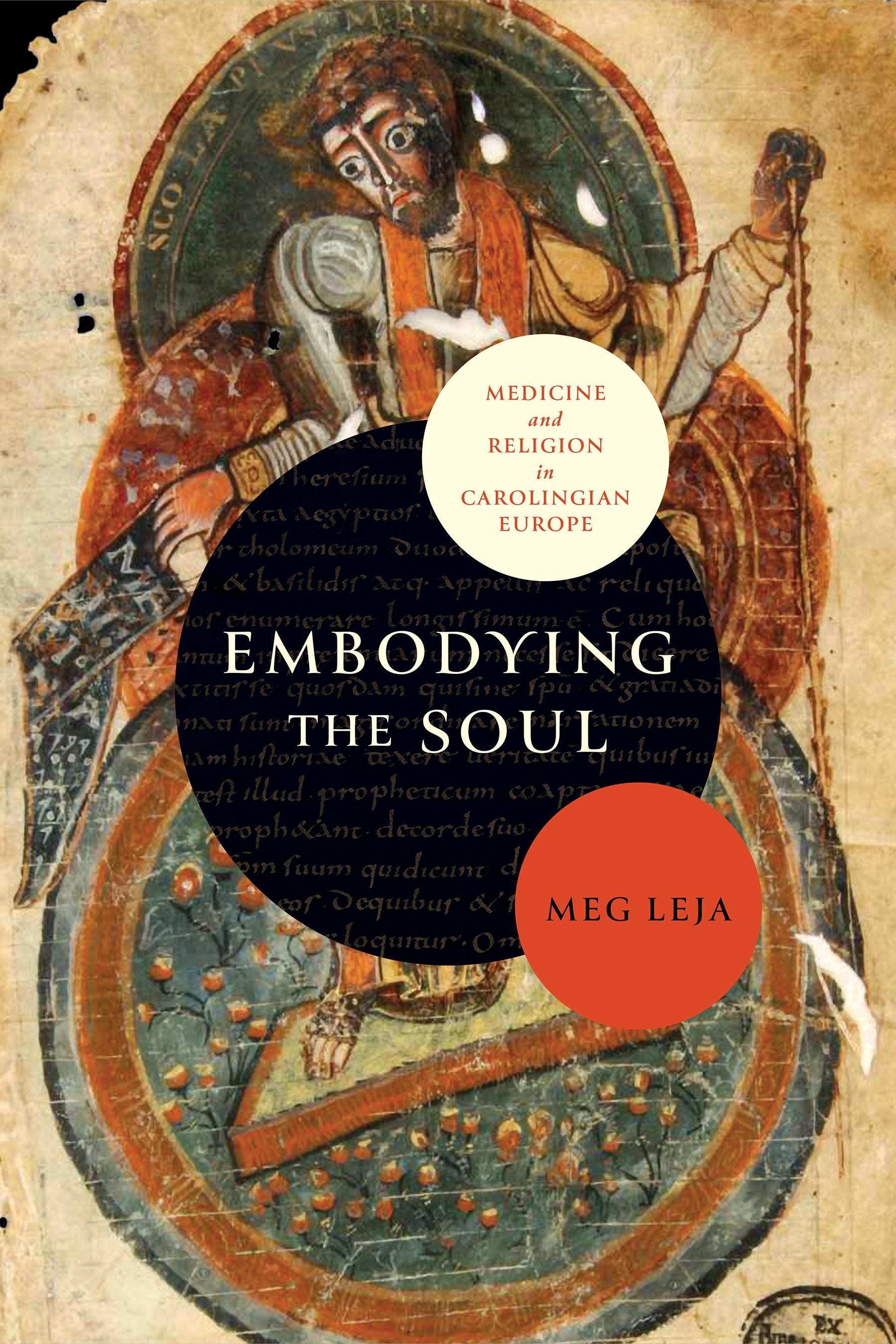
Embodying the Soul explores the possibilities and limitations of human intervention in the body's health across the ninth-century Carolingian Empire. Early medieval medicine has long been cast as a superstitious, degraded remnant of a vigorous, rational Greco-Roman tradition. Against such assumptions, Meg Leja argues that Carolingian scholars engaged in an active debate regarding the value of Hippocratic knowledge, a debate framed by the efforts to define Christian orthodoxy that were central to the reforms of Charlemagne and his successors.
From a subject with pagan origins that had suspicious links with magic, medical knowledge gradually came to be classified as a sacred art. This development coincided with an intensifying belief that body and soul, the two components of individual identity, cultivated virtue not by waging combat against one another but by working together harmoniously. The book demonstrates that new discussions regarding the legitimacy of medical learning and the merits of good health encouraged a style of self-governance that left an enduring mark on medieval conceptions of individual responsibility. The chapters tackle questions about the soul's material occupation of the body, the spiritual meaning of illness, and the difficulty of diagnosing the ills of the internal bodily cavity.
Combating the silence on "dark-age" medicine, Embodying the Soul uncovers new understandings of the physician, the popularity of preventative regimens, and the theological importance attached to dietary regulation and bloodletting. In presenting a cultural history of the body, the book considers a broad range of evidence: theological and pastoral treatises, monastic rules, court poetry, capitularies, hagiographies, biographies, and biblical exegesis. Most important, it offers a dynamic reinterpretation of the large numbers of medical manuscripts that survive from the ninth century but have rarely been the focus of historical study.
Before Memmo my notes were scattered across PDFs. Now a workspace pulls everything into one place — I see exactly what's still left to study.
Memmo's summaries are gold before exams. I don't have to re-read 800 pages two weeks before — just the important parts.
The AI chat has saved me the night before an exam more than once. I just keep asking until I get it — no waiting on a study group to reply.
The quizzes hit exactly what I need to know. Memmo tracks what I get stuck on — so I only practice what's worth it.
Flashcards with spaced repetition are magic. Memmo knows when I'm about to forget something and brings it back.
The AI podcasts are my favorite. I listen on my way to school and get a recap without sitting at a computer.

Handbok i kvalitativa metoder
281 kr

Hållbar utveckling: en introduktion för ingenjörer och andra problemlösare
334 kr

Brymans Samhällsvetenskapliga metoder
390 kr

Projektledning
491 kr

Den orättvisa hälsan: om socioekonomiska skillnader i hälsa och livslängd
326 kr

Vetenskapsteori för nybörjare
196 kr

Organizational Leadership
429 kr

På väg mot läraryrket
172 kr

Det sociala livet i skolan: Socialpsykologiska perspektiv
253 kr

Betygsättningens didaktik
151 kr

Personality
402 kr

Studying Leadership
404 kr

Managing Innovation
477 kr

Introduktion till samhällsvetenskaplig metod
347 kr

The Psychology of Sex and Gender
698 kr

Evidens och kunskap för socialt arbete
207 kr

Introduction to Leadership
605 kr