
Before Memmo my notes were scattered across PDFs. Now a workspace pulls everything into one place — I see exactly what's still left to study.
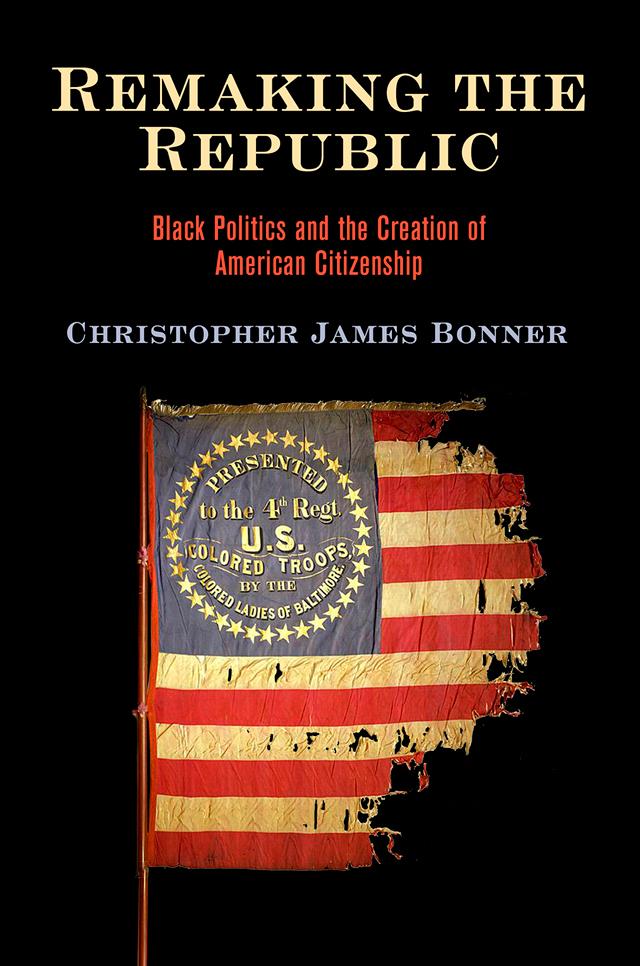
Citizenship in the nineteenth-century United States was an ever-moving target. The Constitution did not specify its exact meaning, leaving lawmakers and other Americans to struggle over the fundamental questions of who could be a citizen, how a person attained the status, and the particular privileges citizenship afforded. Indeed, as late as 1862, U.S. Attorney General Edward Bates observed that citizenship was "now as little understood in its details and elements, and the question as open to argument and speculative criticism as it was at the founding of the Government."
Black people suffered under this ambiguity, but also seized on it in efforts to transform their nominal freedom. By claiming that they were citizens in their demands for specific rights, they were, Christopher James Bonner argues, at the center of creating the very meaning of American citizenship. In the decades before and after Bates's lament, free African Americans used newspapers, public gatherings, and conventions to make arguments about who could be a citizen, the protections citizenship entailed, and the obligations it imposed. They thus played a vital role in the long, fraught process of determining who belonged in the nation and the terms of that belonging.
Remaking the Republic chronicles the various ways African Americans from a wide range of social positions throughout the North attempted to give meaning to American citizenship over the course of the nineteenth century. Examining newpsapers, state and national conventions, public protest meetings, legal cases, and fugitive slave rescues, Bonner uncovers a spirited debate about rights and belonging among African Americans, the stakes of which could determine their place in U.S. society and shape the terms of citizenship for all Americans.
Before Memmo my notes were scattered across PDFs. Now a workspace pulls everything into one place — I see exactly what's still left to study.
Memmo's summaries are gold before exams. I don't have to re-read 800 pages two weeks before — just the important parts.
The AI chat has saved me the night before an exam more than once. I just keep asking until I get it — no waiting on a study group to reply.
The quizzes hit exactly what I need to know. Memmo tracks what I get stuck on — so I only practice what's worth it.
Flashcards with spaced repetition are magic. Memmo knows when I'm about to forget something and brings it back.
The AI podcasts are my favorite. I listen on my way to school and get a recap without sitting at a computer.

Handbok i kvalitativa metoder
281 kr

Hållbar utveckling: en introduktion för ingenjörer och andra problemlösare
334 kr

Brymans Samhällsvetenskapliga metoder
390 kr

Projektledning
491 kr

Den orättvisa hälsan: om socioekonomiska skillnader i hälsa och livslängd
326 kr

Vetenskapsteori för nybörjare
196 kr

Organizational Leadership
429 kr

På väg mot läraryrket
172 kr

Det sociala livet i skolan: Socialpsykologiska perspektiv
253 kr

Betygsättningens didaktik
151 kr

Personality
402 kr

Studying Leadership
404 kr

Managing Innovation
477 kr

Introduktion till samhällsvetenskaplig metod
347 kr

The Psychology of Sex and Gender
698 kr

Evidens och kunskap för socialt arbete
207 kr

Introduction to Leadership
605 kr