
Before Memmo my notes were scattered across PDFs. Now a workspace pulls everything into one place — I see exactly what's still left to study.
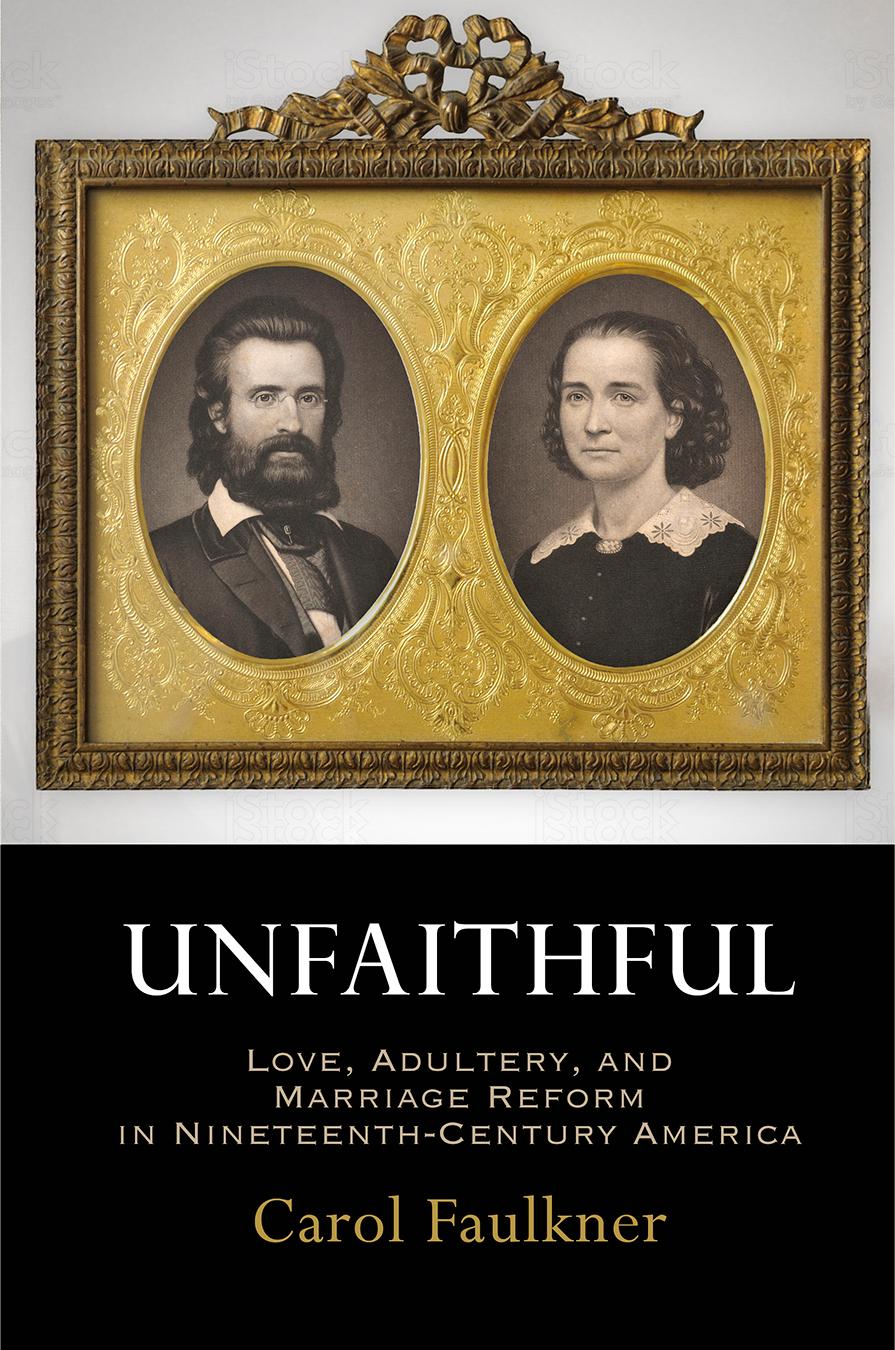
In her 1855 fictionalized autobiography, Mary Gove Nichols told the story of her emancipation from her first unhappy marriage, during which her husband controlled her body, her labor, and her daughter. Rather than the more familiar metaphor of prostitution, Nichols used adultery to define loveless marriages as a betrayal of the self, a consequence far more serious than the violation of a legal contract. Nichols was not alone. In Unfaithful, Carol Faulkner places this view of adultery at the center of nineteenth-century efforts to redefine marriage as a voluntary relationship in which love alone determined fidelity.
After the Revolution, Americans understood adultery as a sin against God and a crime against the people. A betrayal of marriage vows, adultery was a cause for divorce in most states as well as a basis for civil suits. Faulkner depicts an array of nineteenth-century social reformers who challenged the restrictive legal institution of marriage, redefining adultery as a matter of individual choice and love. She traces the beginning of this redefinition of adultery to the evangelical ferment of the 1830s and 1840s, when perfectionists like John Humphrey Noyes, founder of the Oneida Community, concluded that marriage obstructed the individual's relationship to God. In the 1840s and 1850s, spiritualist, feminist, and free love critics of marriage fueled a growing debate over adultery and marriage by emphasizing true love and consent. After the Civil War, activists turned the act of adultery into a form of civil disobedience, culminating in Victoria Woodhull's publicly charging the Reverend Henry Ward Beecher with marital infidelity.
Unfaithful explores how nineteenth-century reformers mobilized both the metaphor and the act of adultery to redefine marriage between 1830 and 1880 and the ways in which their criticisms of the legal institution contributed to a larger transformation of marital and gender relations that continues to this day.
Before Memmo my notes were scattered across PDFs. Now a workspace pulls everything into one place — I see exactly what's still left to study.
Memmo's summaries are gold before exams. I don't have to re-read 800 pages two weeks before — just the important parts.
The AI chat has saved me the night before an exam more than once. I just keep asking until I get it — no waiting on a study group to reply.
The quizzes hit exactly what I need to know. Memmo tracks what I get stuck on — so I only practice what's worth it.
Flashcards with spaced repetition are magic. Memmo knows when I'm about to forget something and brings it back.
The AI podcasts are my favorite. I listen on my way to school and get a recap without sitting at a computer.

Handbok i kvalitativa metoder
281 kr

Hållbar utveckling: en introduktion för ingenjörer och andra problemlösare
334 kr

Brymans Samhällsvetenskapliga metoder
390 kr

Projektledning
491 kr

Den orättvisa hälsan: om socioekonomiska skillnader i hälsa och livslängd
326 kr

Vetenskapsteori för nybörjare
196 kr

Organizational Leadership
429 kr

På väg mot läraryrket
172 kr

Det sociala livet i skolan: Socialpsykologiska perspektiv
253 kr

Betygsättningens didaktik
151 kr

Personality
402 kr

Studying Leadership
404 kr

Managing Innovation
477 kr

Introduktion till samhällsvetenskaplig metod
347 kr

The Psychology of Sex and Gender
698 kr

Evidens och kunskap för socialt arbete
207 kr

Introduction to Leadership
605 kr