
Before Memmo my notes were scattered across PDFs. Now a workspace pulls everything into one place — I see exactly what's still left to study.
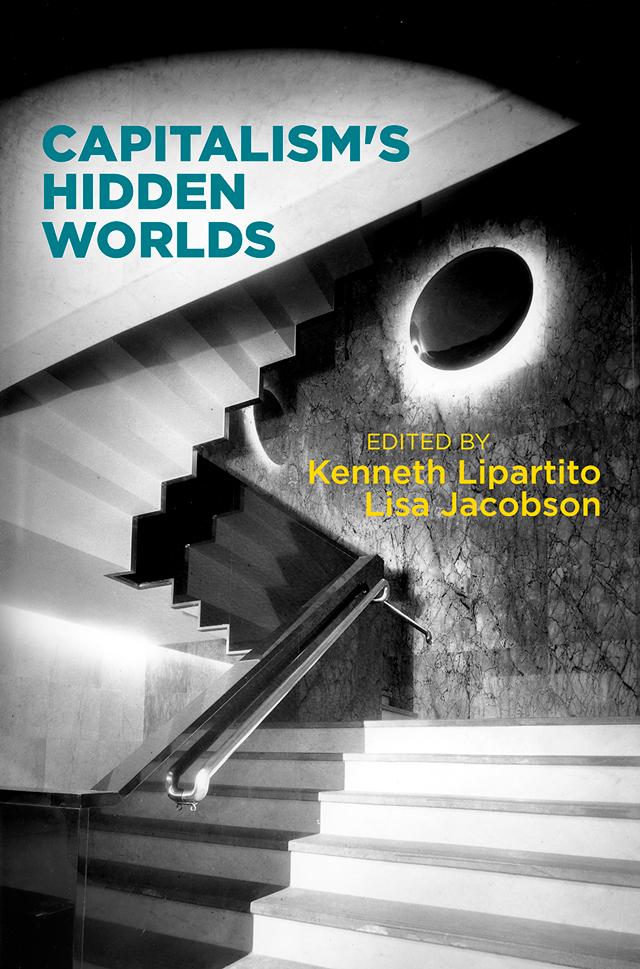
A dynamic social history of shadow capitalism spanning the late nineteenth and twentieth centuries
Observers see free markets, the relentless pursuit of profit, and the unremitting drive to commodify everything as capitalism's defining characteristics. These most visible economic features, however, obscure a range of other less evident, often unmeasured activities that occur on the margins and in the concealed corners of the formal economy. The range of practices in this large and diverse hidden realm encompasses traders in recycled materials and the architects of junk bonds and shadow banking. It includes the black and semi-licit markets that allow wealthy elites to avoid taxes and the unmeasured domestic and emotional labor of homemakers and home care workers. By some estimates, the unmeasured economic activity that occurs within the household, informal market, and underground economy amounts to a substantial portion of all economic activity in the world, as much as 30 percent in some countries.
Capitalism's Hidden Worlds sheds new light on this shadowy economic landscape by reexamining how we think about the market. In particular, it scrutinizes the missed connections between the official, visible realm of exchange and the uncounted and invisible sectors that border it. While some hidden markets emerged in opposition to the formal economy, much of the obscured economy described in this volume operates as the other side of the legitimate, state-sanctioned marketplace. A variety of historical actors—from fortune tellers and forgers to tax lawyers and black market consumers—have constructed this unseen world in tandem with the observable public world of transactions. Others, such as feminist development economists and government regulators, have worked to bring the darkened corners of the economy to light. The essays in Capitalism's Hidden Worlds explore how the capitalist marketplace sustains itself, how it acquires legitimacy and even prestige, and how the marginalized and the dispossessed find ways to make ends meet.
Contributors: Bruce Baker, Eileen Boris, Eli Cook, Hannah Frydman, James Hollis, Owen Hyman, Anna Kushkova, Christopher McKenna, Kenneth Mouré, Philip Scranton, Bryan Turo.
Before Memmo my notes were scattered across PDFs. Now a workspace pulls everything into one place — I see exactly what's still left to study.
Memmo's summaries are gold before exams. I don't have to re-read 800 pages two weeks before — just the important parts.
The AI chat has saved me the night before an exam more than once. I just keep asking until I get it — no waiting on a study group to reply.
The quizzes hit exactly what I need to know. Memmo tracks what I get stuck on — so I only practice what's worth it.
Flashcards with spaced repetition are magic. Memmo knows when I'm about to forget something and brings it back.
The AI podcasts are my favorite. I listen on my way to school and get a recap without sitting at a computer.

Handbok i kvalitativa metoder
281 kr

Hållbar utveckling: en introduktion för ingenjörer och andra problemlösare
334 kr

Brymans Samhällsvetenskapliga metoder
390 kr

Projektledning
491 kr

Den orättvisa hälsan: om socioekonomiska skillnader i hälsa och livslängd
326 kr

Vetenskapsteori för nybörjare
196 kr

Organizational Leadership
429 kr

På väg mot läraryrket
172 kr

Det sociala livet i skolan: Socialpsykologiska perspektiv
253 kr

Betygsättningens didaktik
151 kr

Personality
402 kr

Studying Leadership
404 kr

Managing Innovation
477 kr

Introduktion till samhällsvetenskaplig metod
347 kr

The Psychology of Sex and Gender
698 kr

Evidens och kunskap för socialt arbete
207 kr

Introduction to Leadership
605 kr