
Before Memmo my notes were scattered across PDFs. Now a workspace pulls everything into one place — I see exactly what's still left to study.
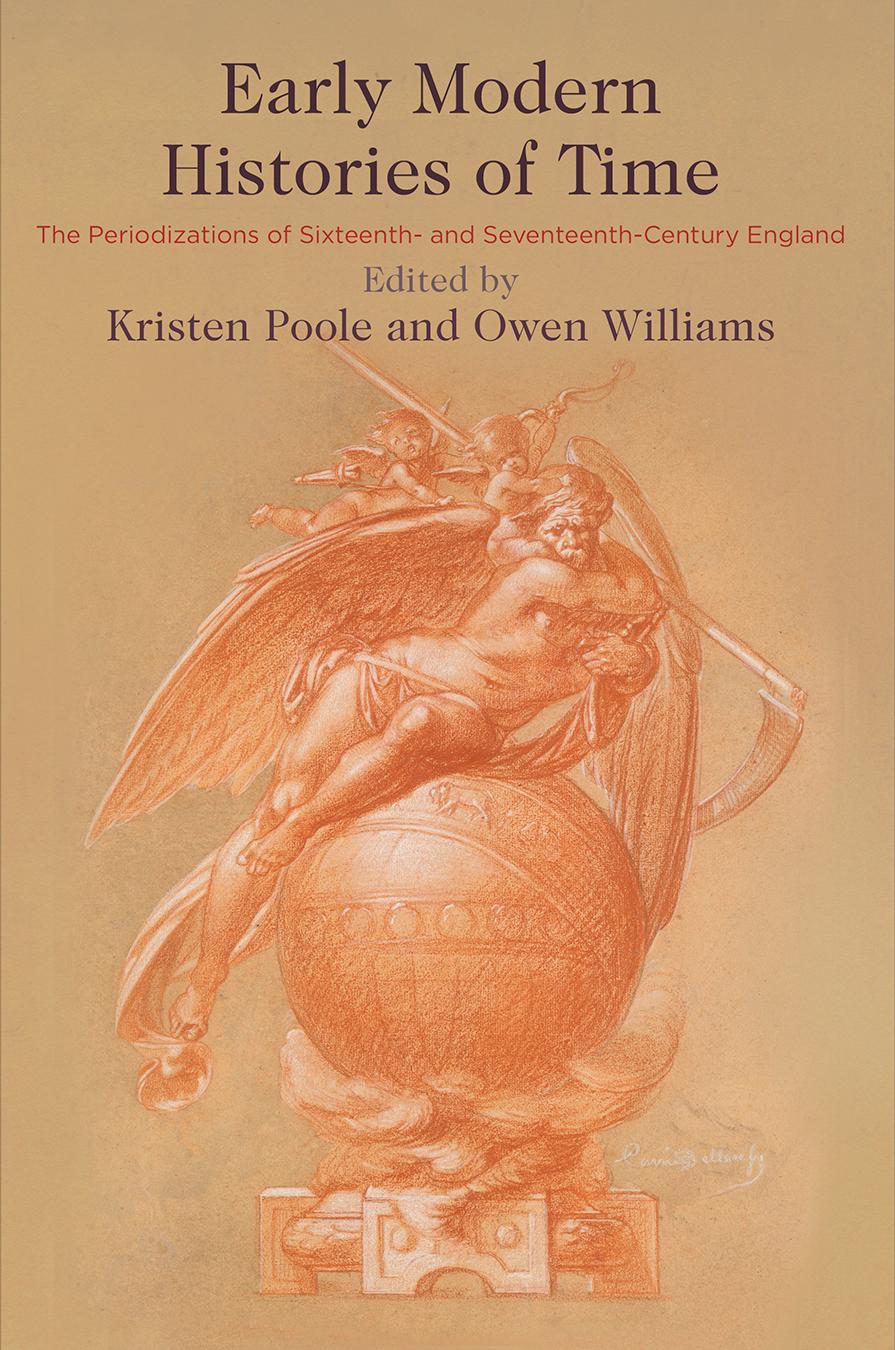
Early Modern Histories of Time examines how a range of chronological modes intrinsic to the sixteenth and seventeenth centuries shaped the thought-worlds of those living during this time and explores how these temporally indigenous models can productively influence our own working concepts of historical period. This innovative approach thus moves beyond debates about where we should divide linear time (and what to call the ensuing segments) to reconsider the very concept of "period." Bringing together an eminent cast of literary scholars and historians, the volume develops productive historical models by drawing on the very texts and cultural contexts that are their objects of study. What happens to the idea of "period" when English literature is properly placed within the dynamic currents of pan-European literary phenomena? How might we think of historical period through the palimpsested nature of buildings, through the religious concept of the secular, through the demographic model of the life cycle, even through the repetitive labor of laundering? From theology to material culture to the temporal constructions of Shakespeare, and from the politics of space to the poetics of typology, the essays in this volume take up diverse, complex models of sixteenth- and seventeenth-century temporality and contemplate their current relevance for our own ideas of history. The volume thus embraces the ambiguity inherent in the word "contemporary," moving between our subjects' sense of self-emplacement and the historiographical need to address the questions and concerns that affect us today.
Contributors: Douglas Bruster, Euan Cameron, Heather Dubrow, Kate Giles, Tim Harris, Natasha Korda, Julia Reinhard Lupton, Kristen Poole, Ethan H. Shagan, James Simpson, Nigel Smith, Mihoko Suzuki, Gordon Teskey, Julianne Werlin, Owen Williams, Steven N. Zwicker.
Before Memmo my notes were scattered across PDFs. Now a workspace pulls everything into one place — I see exactly what's still left to study.
Memmo's summaries are gold before exams. I don't have to re-read 800 pages two weeks before — just the important parts.
The AI chat has saved me the night before an exam more than once. I just keep asking until I get it — no waiting on a study group to reply.
The quizzes hit exactly what I need to know. Memmo tracks what I get stuck on — so I only practice what's worth it.
Flashcards with spaced repetition are magic. Memmo knows when I'm about to forget something and brings it back.
The AI podcasts are my favorite. I listen on my way to school and get a recap without sitting at a computer.

Handbok i kvalitativa metoder
281 kr

Hållbar utveckling: en introduktion för ingenjörer och andra problemlösare
334 kr

Brymans Samhällsvetenskapliga metoder
390 kr

Projektledning
491 kr

Den orättvisa hälsan: om socioekonomiska skillnader i hälsa och livslängd
326 kr

Organizational Leadership
429 kr

Vetenskapsteori för nybörjare
196 kr

På väg mot läraryrket
172 kr

Det sociala livet i skolan: Socialpsykologiska perspektiv
253 kr

Betygsättningens didaktik
151 kr

Personality
402 kr

Studying Leadership
404 kr

Managing Innovation
477 kr

Introduktion till samhällsvetenskaplig metod
347 kr

The Psychology of Sex and Gender
698 kr

Evidens och kunskap för socialt arbete
207 kr

Introduction to Leadership
605 kr