
Before Memmo my notes were scattered across PDFs. Now a workspace pulls everything into one place — I see exactly what's still left to study.
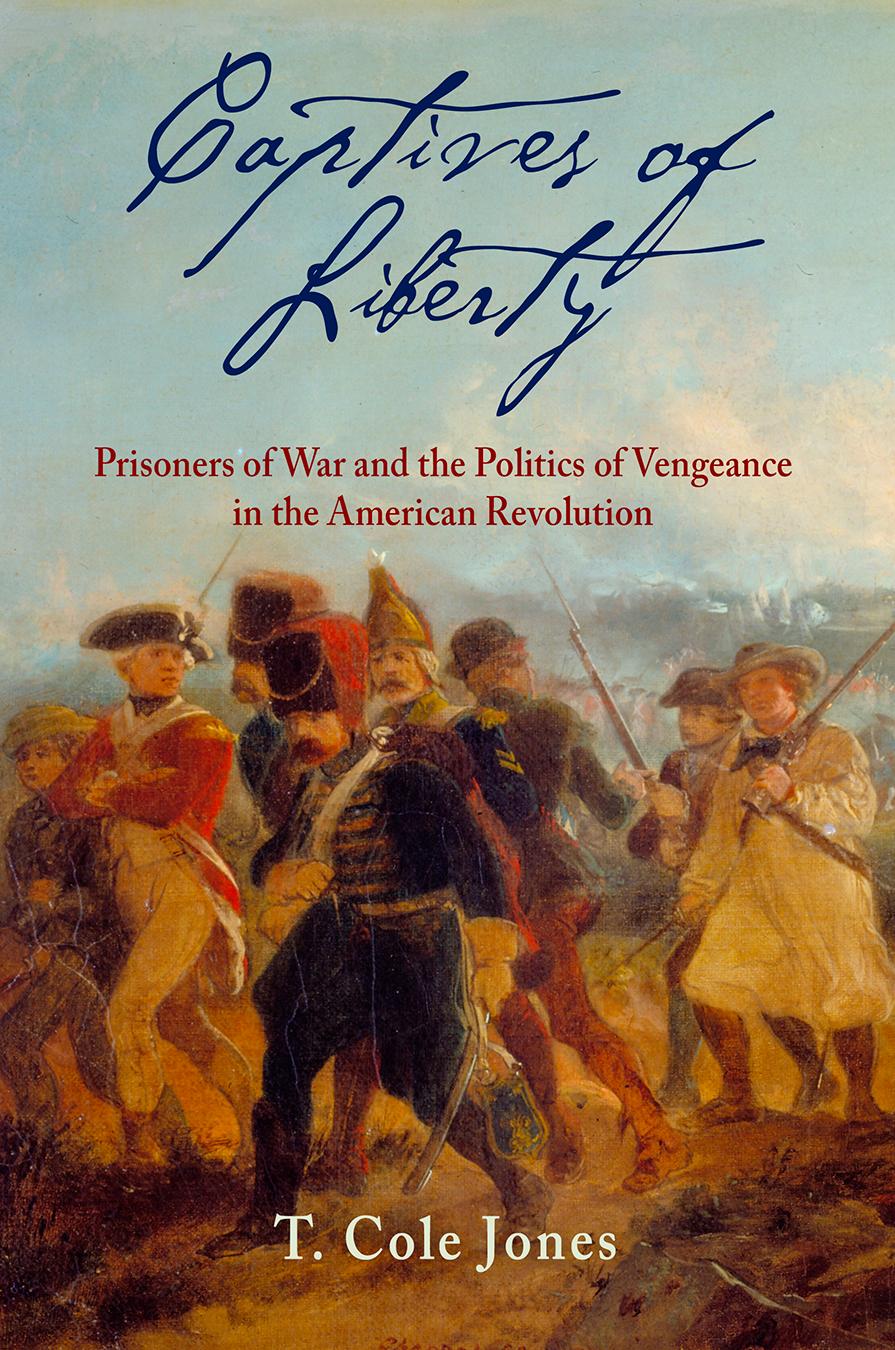
Contrary to popular belief, the American Revolutionary War was not a limited and restrained struggle for political self-determination. From the onset of hostilities, British authorities viewed their American foes as traitors to be punished, and British abuse of American prisoners, both tacitly condoned and at times officially sanctioned, proliferated. Meanwhile, more than seventeen thousand British and allied soldiers fell into American hands during the Revolution. For a fledgling nation that could barely afford to keep an army in the field, the issue of how to manage prisoners of war was daunting.
Captives of Liberty examines how America's founding generation grappled with the problems posed by prisoners of war, and how this influenced the wider social and political legacies of the Revolution. When the struggle began, according to T. Cole Jones, revolutionary leadership strove to conduct the war according to the prevailing European customs of military conduct, which emphasized restricting violence to the battlefield and treating prisoners humanely. However, this vision of restrained war did not last long. As the British denied customary protections to their American captives, the revolutionary leadership wasted no time in capitalizing on the prisoners' ordeals for propagandistic purposes. Enraged, ordinary Americans began to demand vengeance, and they viewed British soldiers and their German and Native American auxiliaries as appropriate targets. This cycle of violence spiraled out of control, transforming the struggle for colonial independence into a revolutionary war.
In illuminating this history, Jones contends that the violence of the Revolutionary War had a profound impact on the character and consequences of the American Revolution. Captives of Liberty not only provides the first comprehensive analysis of revolutionary American treatment of enemy prisoners but also reveals the relationship between America's political revolution and the war waged to secure it.
Before Memmo my notes were scattered across PDFs. Now a workspace pulls everything into one place — I see exactly what's still left to study.
Memmo's summaries are gold before exams. I don't have to re-read 800 pages two weeks before — just the important parts.
The AI chat has saved me the night before an exam more than once. I just keep asking until I get it — no waiting on a study group to reply.
The quizzes hit exactly what I need to know. Memmo tracks what I get stuck on — so I only practice what's worth it.
Flashcards with spaced repetition are magic. Memmo knows when I'm about to forget something and brings it back.
The AI podcasts are my favorite. I listen on my way to school and get a recap without sitting at a computer.

Handbok i kvalitativa metoder
281 kr

Hållbar utveckling: en introduktion för ingenjörer och andra problemlösare
334 kr

Brymans Samhällsvetenskapliga metoder
390 kr

Projektledning
491 kr

Den orättvisa hälsan: om socioekonomiska skillnader i hälsa och livslängd
326 kr

Organizational Leadership
429 kr

Vetenskapsteori för nybörjare
196 kr

På väg mot läraryrket
172 kr

Det sociala livet i skolan: Socialpsykologiska perspektiv
253 kr

Betygsättningens didaktik
151 kr

Personality
402 kr

Studying Leadership
404 kr

Managing Innovation
477 kr

Introduktion till samhällsvetenskaplig metod
347 kr

The Psychology of Sex and Gender
698 kr

Evidens och kunskap för socialt arbete
207 kr

Introduction to Leadership
605 kr