
Before Memmo my notes were scattered across PDFs. Now a workspace pulls everything into one place — I see exactly what's still left to study.
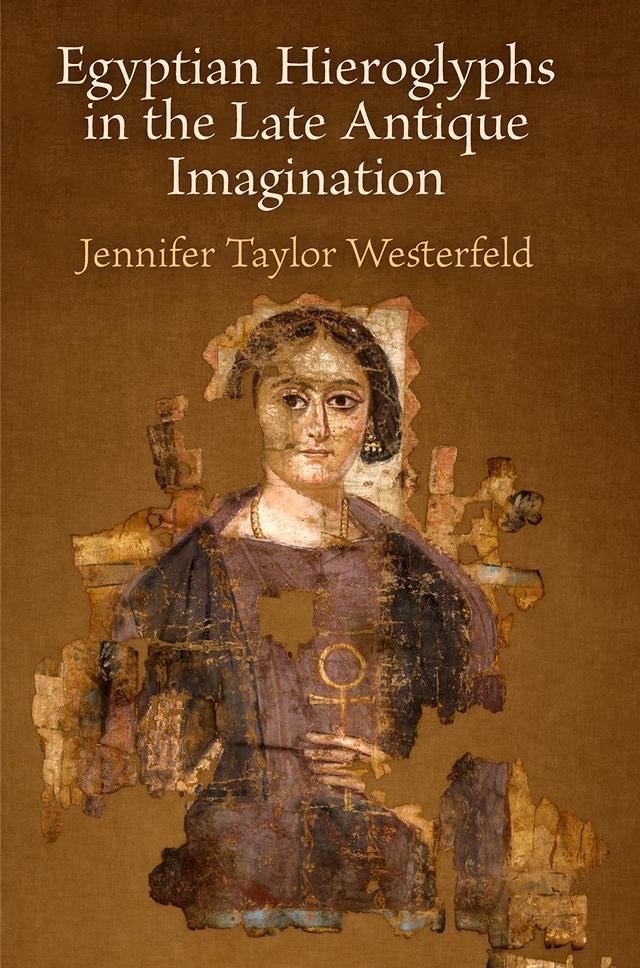
Throughout the pharaonic period, hieroglyphs served both practical and aesthetic purposes. Carved on stelae, statues, and temple walls, hieroglyphic inscriptions were one of the most prominent and distinctive features of ancient Egyptian visual culture. For both the literate minority of Egyptians and the vast illiterate majority of the population, hieroglyphs possessed a potent symbolic value that went beyond their capacity to render language visible. For nearly three thousand years, the hieroglyphic script remained closely bound to indigenous notions of religious and cultural identity.
By the late antique period, literacy in hieroglyphs had been almost entirely lost. However, the monumental temples and tombs that marked the Egyptian landscape, together with the hieroglyphic inscriptions that adorned them, still stood as inescapable reminders that Christianity was a relatively new arrival to the ancient land of the pharaohs. In Egyptian Hieroglyphs in the Late Antique Imagination, Jennifer Westerfeld argues that depictions of hieroglyphic inscriptions in late antique Christian texts reflect the authors' attitudes toward Egypt's pharaonic past. Whether hieroglyphs were condemned as idolatrous images or valued as a source of mystical knowledge, control over the representation and interpretation of hieroglyphic texts constituted an important source of Christian authority.
Westerfeld examines the ways in which hieroglyphs are deployed in the works of Eusebius and Augustine, to debate biblical chronology; in Greek, Roman, and patristic sources, to claim that hieroglyphs encoded the mysteries of the Egyptian priesthood; and in a polemical sermon by the fifth-century monastic leader Shenoute of Atripe, to argue that hieroglyphs should be destroyed lest they promote a return to idolatry. She argues that, in the absence of any genuine understanding of hieroglyphic writing, late antique Christian authors were able to take this powerful symbol of Egyptian identity and manipulate it to serve their particular theological and ideological ends.
Before Memmo my notes were scattered across PDFs. Now a workspace pulls everything into one place — I see exactly what's still left to study.
Memmo's summaries are gold before exams. I don't have to re-read 800 pages two weeks before — just the important parts.
The AI chat has saved me the night before an exam more than once. I just keep asking until I get it — no waiting on a study group to reply.
The quizzes hit exactly what I need to know. Memmo tracks what I get stuck on — so I only practice what's worth it.
Flashcards with spaced repetition are magic. Memmo knows when I'm about to forget something and brings it back.
The AI podcasts are my favorite. I listen on my way to school and get a recap without sitting at a computer.

Handbok i kvalitativa metoder
281 kr

Hållbar utveckling: en introduktion för ingenjörer och andra problemlösare
334 kr

Brymans Samhällsvetenskapliga metoder
390 kr

Projektledning
491 kr

Den orättvisa hälsan: om socioekonomiska skillnader i hälsa och livslängd
326 kr

Vetenskapsteori för nybörjare
196 kr

Organizational Leadership
429 kr

På väg mot läraryrket
172 kr

Det sociala livet i skolan: Socialpsykologiska perspektiv
253 kr

Betygsättningens didaktik
151 kr

Personality
402 kr

Studying Leadership
404 kr

Managing Innovation
477 kr

Introduktion till samhällsvetenskaplig metod
347 kr

The Psychology of Sex and Gender
698 kr

Evidens och kunskap för socialt arbete
207 kr

Introduction to Leadership
605 kr