
Before Memmo my notes were scattered across PDFs. Now a workspace pulls everything into one place — I see exactly what's still left to study.
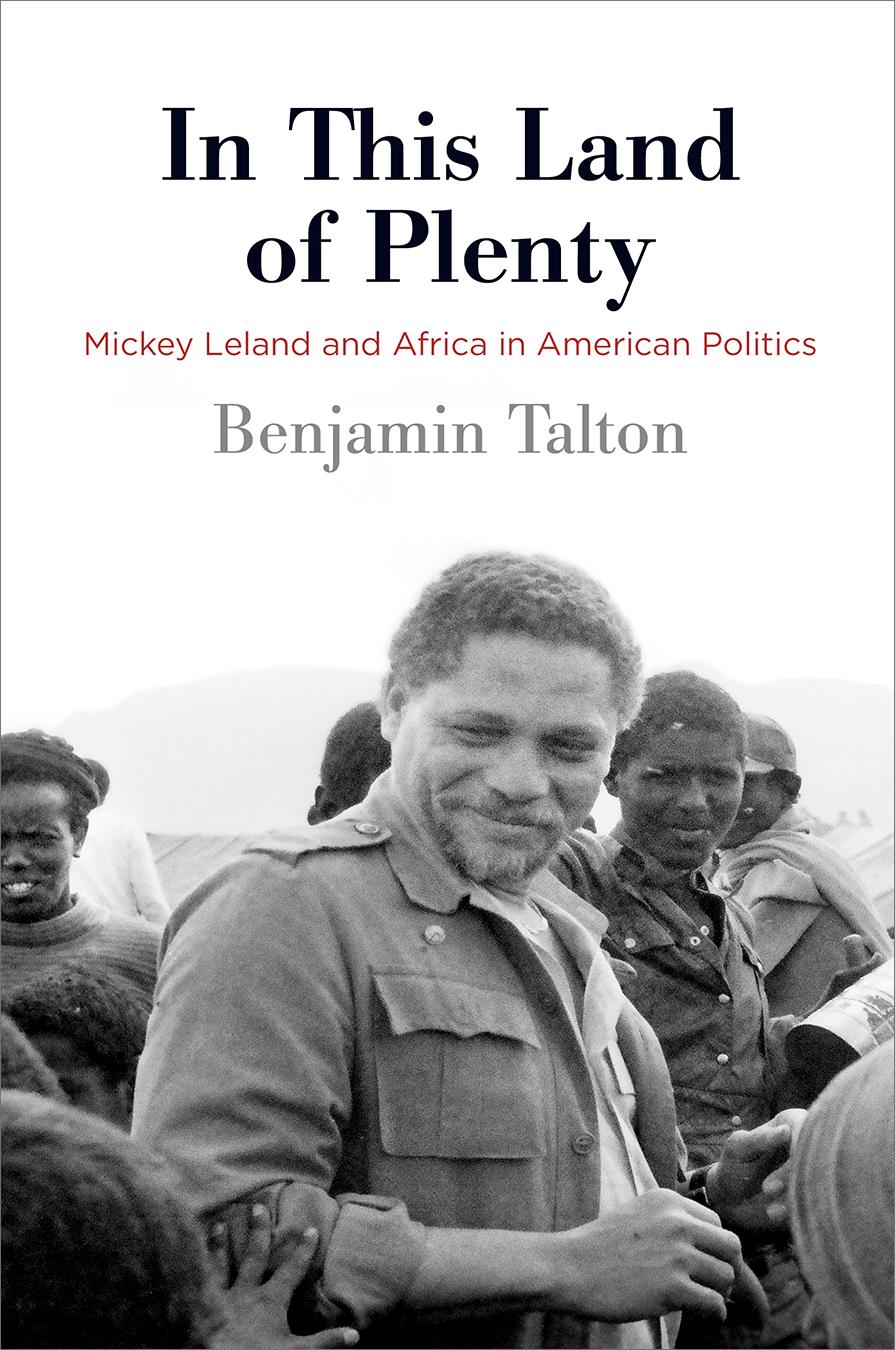
On August 7, 1989, Congressman Mickey Leland departed on a flight from Addis Ababa, with his thirteen-member delegation of Ethiopian and American relief workers and policy analysts, bound for Ethiopia's border with Sudan. This was Leland's seventh official humanitarian mission in his nearly decade-long drive to transform U.S. policies toward Africa to conform to his black internationalist vision of global cooperation, antiracism, and freedom from hunger. Leland's flight never arrived at its destination. The plane crashed, with no survivors.
When Leland embarked on that delegation, he was a forty-four-year-old, deeply charismatic, fiercely compassionate, black, radical American. He was also an elected Democratic representative of Houston's largely African American and Latino Eighteenth Congressional District. Above all, he was a self-proclaimed "citizen of humanity." Throughout the 1980s, Leland and a small group of former radical-activist African American colleagues inside and outside Congress exerted outsized influence to elevate Africa's significance in American foreign affairs and to move the United States from its Cold War orientation toward a foreign policy devoted to humanitarianism, antiracism, and moral leadership. Their internationalism defined a new era of black political engagement with Africa. In This Land of Plenty presents Leland as the embodiment of larger currents in African American politics at the end of the twentieth century. But a sober look at his aspirations shows the successes and shortcomings of domestic radicalism and aspirations of politically neutral humanitarianism during the 1980s, and the extent to which the decade was a major turning point in U.S. relations with the African continent.
Exploring the links between political activism, electoral politics, and international affairs, Benjamin Talton not only details Leland's political career but also examines African Americans' successes and failures in influencing U.S. foreign policy toward African and other Global South countries.
Before Memmo my notes were scattered across PDFs. Now a workspace pulls everything into one place — I see exactly what's still left to study.
Memmo's summaries are gold before exams. I don't have to re-read 800 pages two weeks before — just the important parts.
The AI chat has saved me the night before an exam more than once. I just keep asking until I get it — no waiting on a study group to reply.
The quizzes hit exactly what I need to know. Memmo tracks what I get stuck on — so I only practice what's worth it.
Flashcards with spaced repetition are magic. Memmo knows when I'm about to forget something and brings it back.
The AI podcasts are my favorite. I listen on my way to school and get a recap without sitting at a computer.

Handbok i kvalitativa metoder
281 kr

Hållbar utveckling: en introduktion för ingenjörer och andra problemlösare
334 kr

Brymans Samhällsvetenskapliga metoder
390 kr

Projektledning
491 kr

Den orättvisa hälsan: om socioekonomiska skillnader i hälsa och livslängd
326 kr

Organizational Leadership
429 kr

Vetenskapsteori för nybörjare
196 kr

På väg mot läraryrket
172 kr

Det sociala livet i skolan: Socialpsykologiska perspektiv
253 kr

Betygsättningens didaktik
151 kr

Personality
402 kr

Studying Leadership
404 kr

Managing Innovation
477 kr

Introduktion till samhällsvetenskaplig metod
347 kr

The Psychology of Sex and Gender
698 kr

Evidens och kunskap för socialt arbete
207 kr

Introduction to Leadership
605 kr