
Before Memmo my notes were scattered across PDFs. Now a workspace pulls everything into one place — I see exactly what's still left to study.
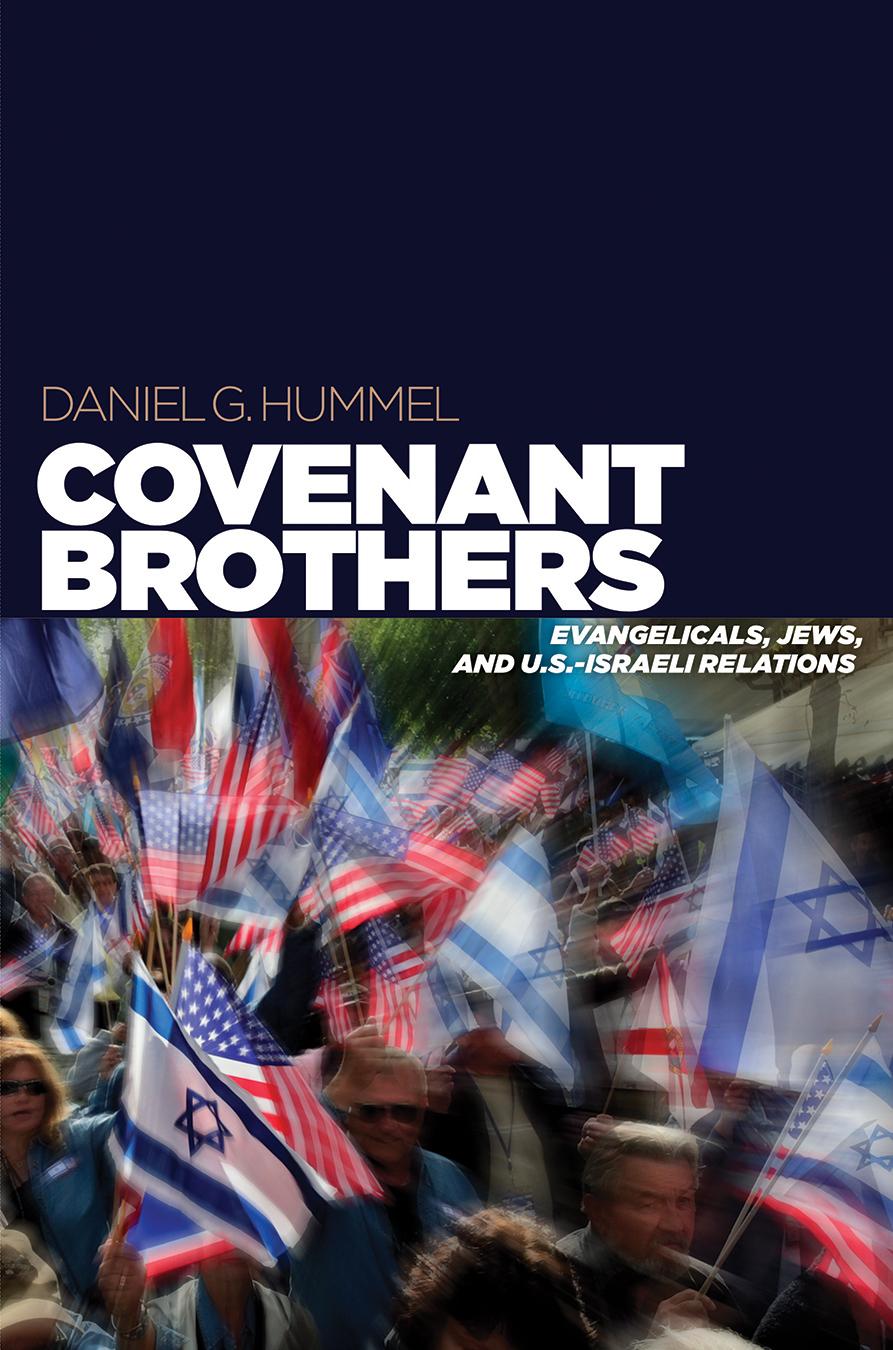
Weaving together the stories of activists, American Jewish leaders, and Israeli officials in the wake of the establishment of the state of Israel in 1948, Covenant Brothers portrays the dramatic rise of evangelical Christian Zionism as it gained prominence in American politics, Israeli diplomacy, and international relations after World War II. According to Daniel G. Hummel, conventional depictions of the Christian Zionist movement—the organized political and religious effort by conservative Protestants to support the state of Israel—focus too much on American evangelical apocalyptic fascination with the Jewish people. Hummel emphasizes instead the institutional, international, interreligious, and intergenerational efforts on the part of Christians and Jews to mobilize evangelical support for Israel.
From missionary churches in Israel to Holy Land tourism, from the Israeli government to the American Jewish Committee, and from Billy Graham's influence on Richard Nixon to John Hagee's courting of Donald Trump, Hummel reveals modern Christian Zionism to be an evolving and deepening collaboration between Christians and the state of Israel. He shows how influential officials in the Israeli Ministry of Religious Affairs and Foreign Ministry, tasked with pursuing a religious diplomacy that would enhance Israel's standing in the Christian world, combined forces with evangelical Christians to create and organize the vast global network of Christian Zionism that exists today. He also explores evangelicalism's embrace of Jewish concepts, motifs, and practices and its profound consequences on worshippers' political priorities and their relationship to Israel.
Drawing on religious and government archives in the United States and Israel, Covenant Brothers reveals how an unlikely mix of Christian and Jewish leaders, state support, and transnational networks of institutions combined religion, politics, and international relations to influence U.S. foreign policy and, eventually, global geopolitics.
Before Memmo my notes were scattered across PDFs. Now a workspace pulls everything into one place — I see exactly what's still left to study.
Memmo's summaries are gold before exams. I don't have to re-read 800 pages two weeks before — just the important parts.
The AI chat has saved me the night before an exam more than once. I just keep asking until I get it — no waiting on a study group to reply.
The quizzes hit exactly what I need to know. Memmo tracks what I get stuck on — so I only practice what's worth it.
Flashcards with spaced repetition are magic. Memmo knows when I'm about to forget something and brings it back.
The AI podcasts are my favorite. I listen on my way to school and get a recap without sitting at a computer.

Handbok i kvalitativa metoder
281 kr

Hållbar utveckling: en introduktion för ingenjörer och andra problemlösare
334 kr

Brymans Samhällsvetenskapliga metoder
390 kr

Projektledning
491 kr

Den orättvisa hälsan: om socioekonomiska skillnader i hälsa och livslängd
326 kr

Vetenskapsteori för nybörjare
196 kr

Organizational Leadership
429 kr

På väg mot läraryrket
172 kr

Det sociala livet i skolan: Socialpsykologiska perspektiv
253 kr

Betygsättningens didaktik
151 kr

Personality
402 kr

Studying Leadership
404 kr

Managing Innovation
477 kr

Introduktion till samhällsvetenskaplig metod
347 kr

The Psychology of Sex and Gender
698 kr

Evidens och kunskap för socialt arbete
207 kr

Introduction to Leadership
605 kr