
Before Memmo my notes were scattered across PDFs. Now a workspace pulls everything into one place — I see exactly what's still left to study.
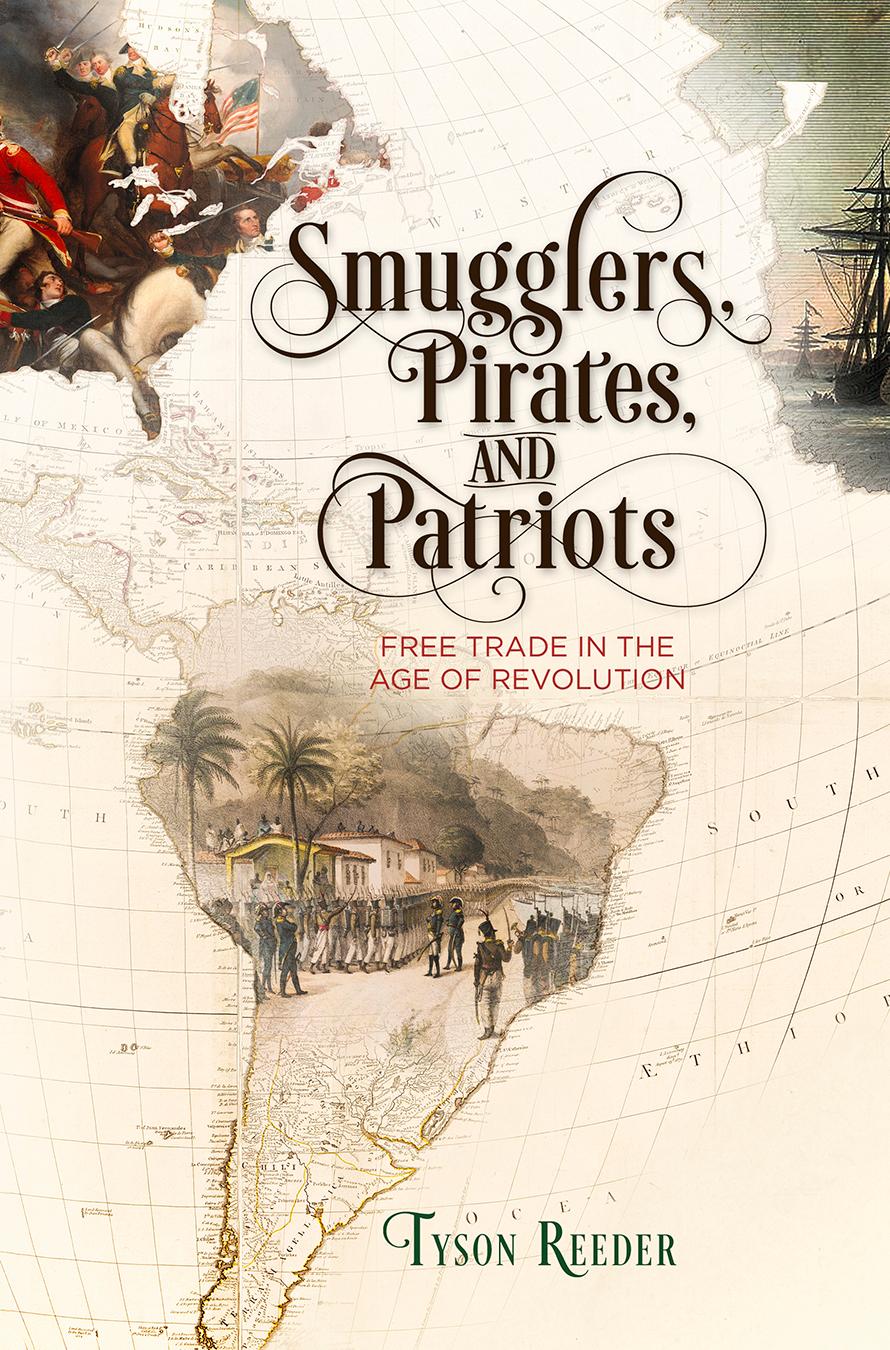
After emerging victorious from their revolution against the British Empire, many North Americans associated commercial freedom with independence and republicanism. Optimistic about the liberation movements sweeping Latin America, they were particularly eager to disrupt the Portuguese Empire. Anticipating the establishment of a Brazilian republic that they assumed would give them commercial preference, they aimed to aid Brazilian independence through contraband, plunder, and revolution. In contrast to the British Empire's reaction to the American Revolution, Lisbon officials liberalized imperial trade when revolutionary fervor threatened the Portuguese Empire in the 1780s and 1790s. In 1808, to save the empire from Napoleon's army, the Portuguese court relocated to Rio de Janeiro and opened Brazilian ports to foreign commerce. By 1822, the year Brazil declared independence, it had become the undisputed center of U.S. trade with the Portuguese Empire. However, by that point, Brazilians tended to associate freer trade with the consolidation of monarchical power and imperial strength, and, by the end of the 1820s, it was clear that Brazilians would retain a monarchy despite their independence.
Smugglers, Pirates, and Patriots delineates the differences between the British and Portuguese empires as they struggled with revolutionary tumult. It reveals how those differences led to turbulent transnational exchanges between the United States and Brazil as merchants, smugglers, rogue officials, slave traders, and pirates sought to trade outside legal confines. Tyson Reeder argues that although U.S. traders had forged their commerce with Brazil convinced that they could secure republican trade partners there, they were instead forced to reconcile their vision of the Americas as a haven for republics with the reality of a monarchy residing in the hemisphere. He shows that as twilight fell on the Age of Revolution, Brazil and the United States became fellow slave powers rather than fellow republics.
Before Memmo my notes were scattered across PDFs. Now a workspace pulls everything into one place — I see exactly what's still left to study.
Memmo's summaries are gold before exams. I don't have to re-read 800 pages two weeks before — just the important parts.
The AI chat has saved me the night before an exam more than once. I just keep asking until I get it — no waiting on a study group to reply.
The quizzes hit exactly what I need to know. Memmo tracks what I get stuck on — so I only practice what's worth it.
Flashcards with spaced repetition are magic. Memmo knows when I'm about to forget something and brings it back.
The AI podcasts are my favorite. I listen on my way to school and get a recap without sitting at a computer.

Handbok i kvalitativa metoder
281 kr

Hållbar utveckling: en introduktion för ingenjörer och andra problemlösare
334 kr

Brymans Samhällsvetenskapliga metoder
390 kr

Projektledning
491 kr

Den orättvisa hälsan: om socioekonomiska skillnader i hälsa och livslängd
326 kr

Organizational Leadership
429 kr

Vetenskapsteori för nybörjare
196 kr

På väg mot läraryrket
172 kr

Det sociala livet i skolan: Socialpsykologiska perspektiv
253 kr

Betygsättningens didaktik
151 kr

Personality
402 kr

Studying Leadership
404 kr

Managing Innovation
477 kr

Introduktion till samhällsvetenskaplig metod
347 kr

The Psychology of Sex and Gender
698 kr

Evidens och kunskap för socialt arbete
207 kr

Introduction to Leadership
605 kr