
Before Memmo my notes were scattered across PDFs. Now a workspace pulls everything into one place — I see exactly what's still left to study.
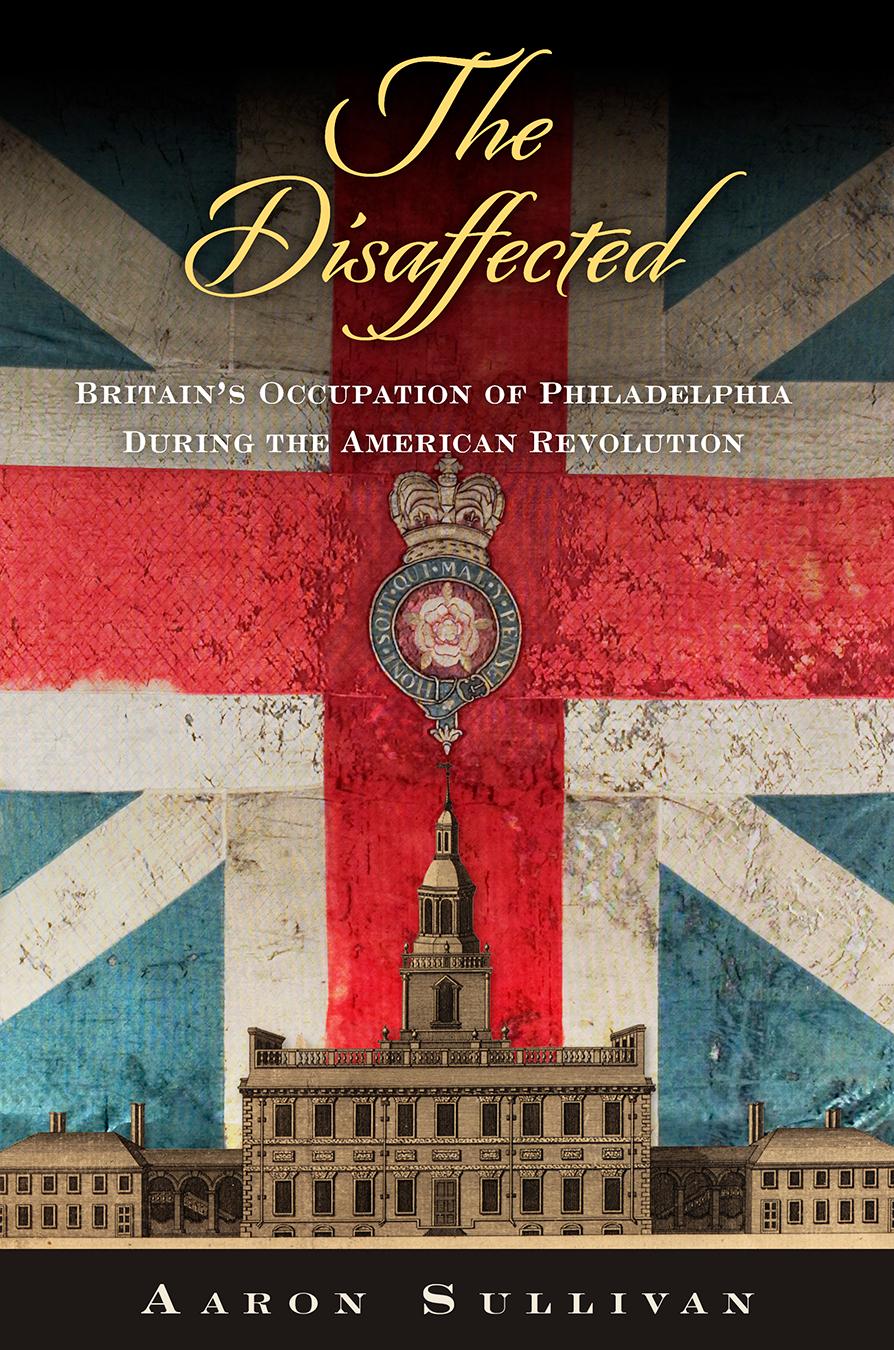
An exploration of the British occupation of Philadelphia that highlights the perspectives of those wearied by and withdrawn from the War for Independence
Elizabeth and Henry Drinker of Philadelphia were no friends of the American Revolution. Yet neither were they its enemies. The Drinkers were a merchant family who, being Quakers and pacifists, shunned commitments to both the Revolutionaries and the British. They strove to endure the war uninvolved and unscathed. They failed. In 1777, the war came to Philadelphia when the city was taken and occupied by the British army.
Aaron Sullivan explores the British occupation of Philadelphia, chronicling the experiences of a group of people who were pursued, pressured, and at times persecuted, not because they chose the wrong side of the Revolution but because they tried not to choose a side at all. For these people, the war was neither a glorious cause to be won nor an unnatural rebellion to be suppressed, but a dangerous and costly calamity to be navigated with care. Both the Patriots and the British referred to this group as "the disaffected," perceiving correctly that their defining feature was less loyalty to than a lack of support for either side in the dispute, and denounced them as opportunistic, apathetic, or even treasonous. Sullivan shows how Revolutionary authorities embraced desperate measures in their quest to secure their own legitimacy, suppressing speech, controlling commerce, and mandating military service. In 1778, without the Patriots firing a shot, the king's army abandoned Philadelphia and the perceived threat from neutrals began to decline—as did the coercive and intolerant practices of the Revolutionary regime.
By highlighting the perspectives of those wearied by and withdrawn from the conflict, The Disaffected reveals the consequences of a Revolutionary ideology that assumed the nation's people to be a united and homogenous front.
Before Memmo my notes were scattered across PDFs. Now a workspace pulls everything into one place — I see exactly what's still left to study.
Memmo's summaries are gold before exams. I don't have to re-read 800 pages two weeks before — just the important parts.
The AI chat has saved me the night before an exam more than once. I just keep asking until I get it — no waiting on a study group to reply.
The quizzes hit exactly what I need to know. Memmo tracks what I get stuck on — so I only practice what's worth it.
Flashcards with spaced repetition are magic. Memmo knows when I'm about to forget something and brings it back.
The AI podcasts are my favorite. I listen on my way to school and get a recap without sitting at a computer.

Handbok i kvalitativa metoder
281 kr

Hållbar utveckling: en introduktion för ingenjörer och andra problemlösare
334 kr

Brymans Samhällsvetenskapliga metoder
390 kr

Projektledning
491 kr

Den orättvisa hälsan: om socioekonomiska skillnader i hälsa och livslängd
326 kr

Vetenskapsteori för nybörjare
196 kr

Organizational Leadership
429 kr

På väg mot läraryrket
172 kr

Det sociala livet i skolan: Socialpsykologiska perspektiv
253 kr

Betygsättningens didaktik
151 kr

Personality
402 kr

Studying Leadership
404 kr

Managing Innovation
477 kr

Introduktion till samhällsvetenskaplig metod
347 kr

The Psychology of Sex and Gender
698 kr

Evidens och kunskap för socialt arbete
207 kr

Introduction to Leadership
605 kr