
Before Memmo my notes were scattered across PDFs. Now a workspace pulls everything into one place — I see exactly what's still left to study.
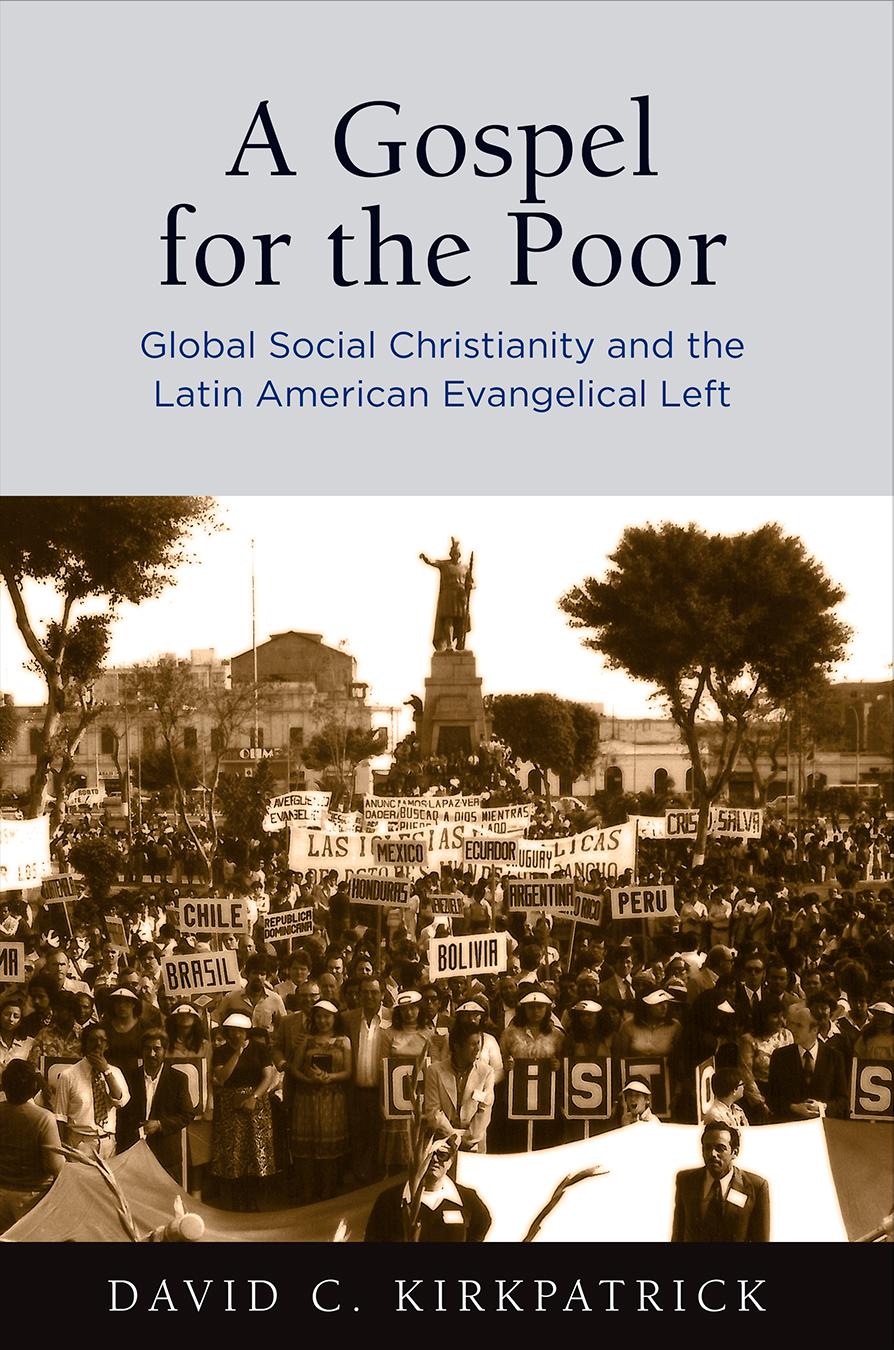
In 1974, the International Congress on World Evangelization met in Lausanne, Switzerland. Gathering together nearly 2,500 Protestant evangelical leaders from more than 150 countries and 135 denominations, it rivaled Vatican II in terms of its influence. But as David C. Kirkpatrick argues in A Gospel for the Poor, the Lausanne Congress was most influential because, for the first time, theologians from the Global South gained a place at the table of the world's evangelical leadership—bringing their nascent brand of social Christianity with them.
Leading up to this momentous occasion, after World War II, there emerged in various parts of the world an embryonic yet discernible progressive coalition of thinkers who were embedded in global evangelical organizations and educational institutions such as the InterVarsity Christian Fellowship, the International Fellowship of Evangelical Students, and the International Fellowship of Evangelical Mission Theologians. Within these groups, Latin Americans had an especially strong voice, for they had honed their theology as a religious minority, having defined it against two perceived ideological excesses: Marxist-inflected Catholic liberation theology and the conservative political loyalties of the U.S. Religious Right.
In this context, transnational conversations provoked the rise of progressive evangelical politics, the explosion of Christian mission and relief organizations, and the infusion of social justice into the very mission of evangelicals around the world and across a broad spectrum of denominations. Drawing upon bilingual interviews and archives and personal papers from three continents, Kirkpatrick adopts a transnational perspective to tell the story of how a Cold War generation of progressive Latin Americans, including seminal figures such as Ecuadorian René Padilla and Peruvian Samuel Escobar, developed, named, and exported their version of social Christianity to an evolving coalition of global evangelicals.
Before Memmo my notes were scattered across PDFs. Now a workspace pulls everything into one place — I see exactly what's still left to study.
Memmo's summaries are gold before exams. I don't have to re-read 800 pages two weeks before — just the important parts.
The AI chat has saved me the night before an exam more than once. I just keep asking until I get it — no waiting on a study group to reply.
The quizzes hit exactly what I need to know. Memmo tracks what I get stuck on — so I only practice what's worth it.
Flashcards with spaced repetition are magic. Memmo knows when I'm about to forget something and brings it back.
The AI podcasts are my favorite. I listen on my way to school and get a recap without sitting at a computer.

Handbok i kvalitativa metoder
281 kr

Hållbar utveckling: en introduktion för ingenjörer och andra problemlösare
334 kr

Brymans Samhällsvetenskapliga metoder
390 kr

Projektledning
491 kr

Den orättvisa hälsan: om socioekonomiska skillnader i hälsa och livslängd
326 kr

Vetenskapsteori för nybörjare
196 kr

Organizational Leadership
429 kr

På väg mot läraryrket
172 kr

Det sociala livet i skolan: Socialpsykologiska perspektiv
253 kr

Betygsättningens didaktik
151 kr

Personality
402 kr

Studying Leadership
404 kr

Managing Innovation
477 kr

Introduktion till samhällsvetenskaplig metod
347 kr

The Psychology of Sex and Gender
698 kr

Evidens och kunskap för socialt arbete
207 kr

Introduction to Leadership
605 kr