
Before Memmo my notes were scattered across PDFs. Now a workspace pulls everything into one place — I see exactly what's still left to study.
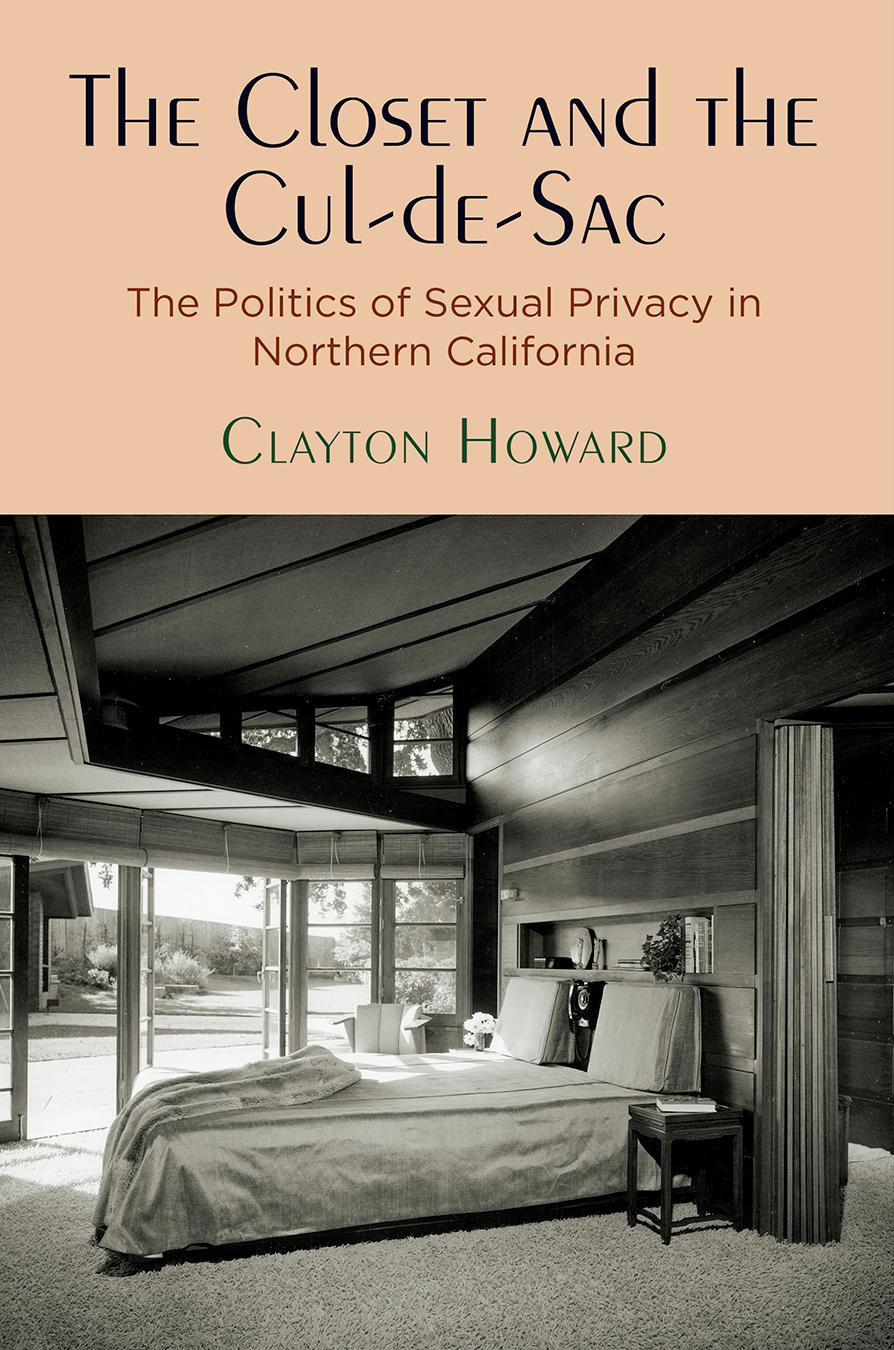
The right to privacy is a pivotal concept in the culture wars that have galvanized American politics for the past several decades. It has become a rallying point for political issues ranging from abortion to gay liberation to sex education. Yet this notion of privacy originated not only from legal arguments, nor solely from political movements on the left or the right, but instead from ambivalent moderates who valued both personal freedom and the preservation of social norms.
In The Closet and the Cul-de-Sac, Clayton Howard chronicles the rise of sexual privacy as a fulcrum of American cultural politics. Beginning in the 1940s, public officials pursued an agenda that both promoted heterosexuality and made sexual privacy one of the state's key promises to its citizens. The 1944 G.I. Bill, for example, excluded gay veterans and enfranchised married ones in its dispersal of housing benefits. At the same time, officials required secluded bedrooms in new suburban homes and created educational campaigns designed to teach children respect for parents' privacy. In the following decades, measures such as these helped to concentrate middle-class families in the suburbs and gay men and lesbians in cities.
In the 1960s and 1970s, the gay rights movement invoked privacy to attack repressive antigay laws, while social conservatives criticized tolerance for LGBTQ+ people as an assault on their own privacy. Many self-identified moderates, however, used identical rhetoric to distance themselves from both the discriminatory language of the religious right and the perceived excesses of the gay freedom struggle. Using the Bay Area as a case study, Howard places these moderates at the center of postwar American politics and shows how the region's burgeoning suburbs reacted to increasing gay activism in San Francisco. The Closet and the Cul-de-Sac offers specific examples of the ways in which government policies shaped many Americans' attitudes about sexuality and privacy and the ways in which citizens mobilized to reshape them.
Before Memmo my notes were scattered across PDFs. Now a workspace pulls everything into one place — I see exactly what's still left to study.
Memmo's summaries are gold before exams. I don't have to re-read 800 pages two weeks before — just the important parts.
The AI chat has saved me the night before an exam more than once. I just keep asking until I get it — no waiting on a study group to reply.
The quizzes hit exactly what I need to know. Memmo tracks what I get stuck on — so I only practice what's worth it.
Flashcards with spaced repetition are magic. Memmo knows when I'm about to forget something and brings it back.
The AI podcasts are my favorite. I listen on my way to school and get a recap without sitting at a computer.

Handbok i kvalitativa metoder
281 kr

Hållbar utveckling: en introduktion för ingenjörer och andra problemlösare
334 kr

Brymans Samhällsvetenskapliga metoder
390 kr

Projektledning
491 kr

Den orättvisa hälsan: om socioekonomiska skillnader i hälsa och livslängd
326 kr

Vetenskapsteori för nybörjare
196 kr

Organizational Leadership
429 kr

På väg mot läraryrket
172 kr

Det sociala livet i skolan: Socialpsykologiska perspektiv
253 kr

Betygsättningens didaktik
151 kr

Personality
402 kr

Studying Leadership
404 kr

Managing Innovation
477 kr

Introduktion till samhällsvetenskaplig metod
347 kr

The Psychology of Sex and Gender
698 kr

Evidens och kunskap för socialt arbete
207 kr

Introduction to Leadership
605 kr