
Before Memmo my notes were scattered across PDFs. Now a workspace pulls everything into one place — I see exactly what's still left to study.
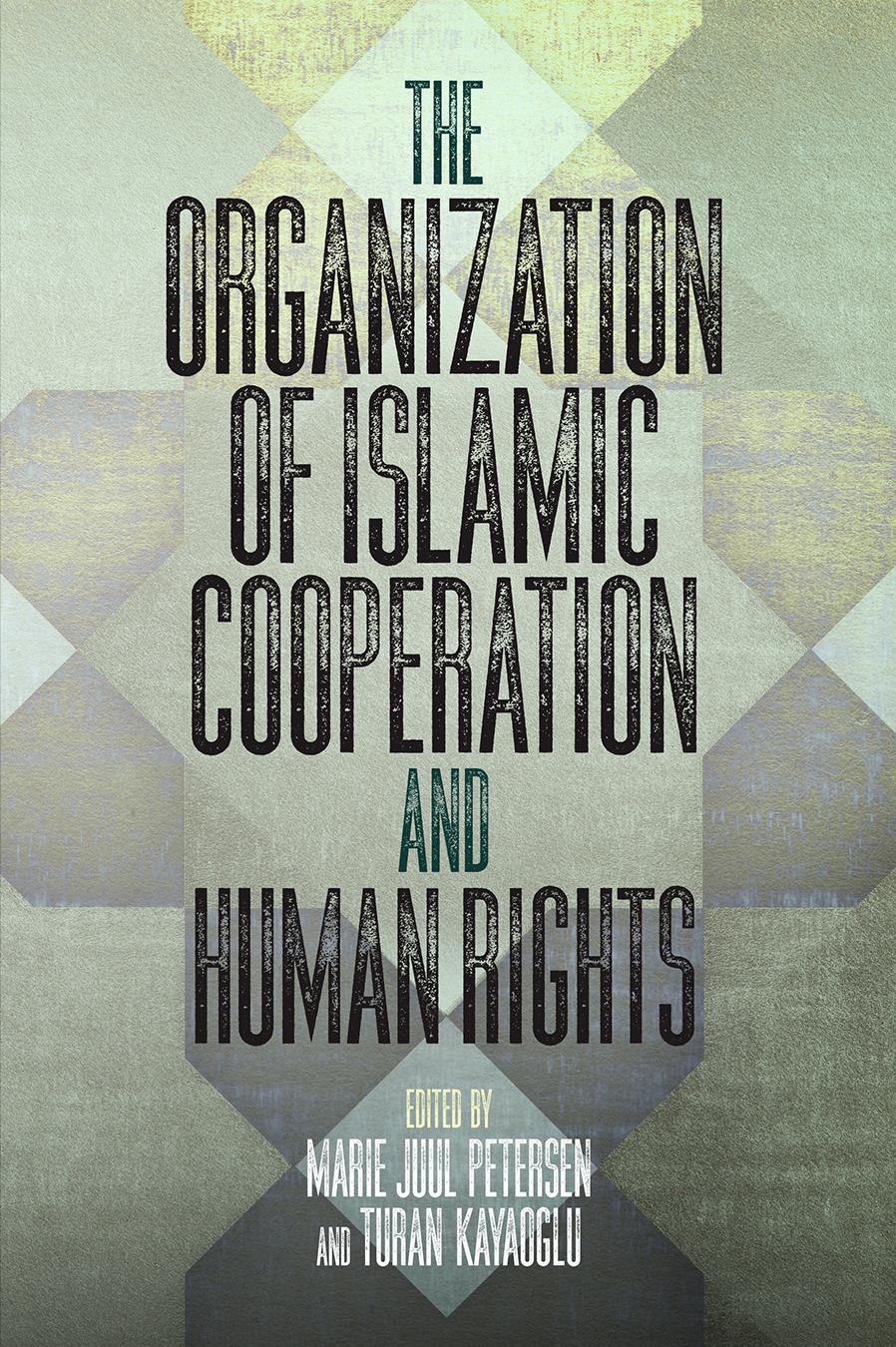
Established in 1969, the Organization of Islamic Cooperation (OIC) is an intergovernmental organization the purpose of which is the strengthening of solidarity among Muslims. Headquartered in Jeddah, the OIC today consists of fifty seven states from the Middle East, Asia, Africa, and Latin America. The OIC's longevity and geographic reach, combined with its self-proclaimed role as the United Nations of the Muslim world, raise certain expectations as to its role in global human rights politics. However, to date, these hopes have been unfulfilled. The Organization of Islamic Cooperation and Human Rights sets out to demonstrate the potential and shortcomings of the OIC and the obstacles on the paths it has navigated.
Historically, the OIC has had a complicated relationship with the international human rights regime. Palestinian self-determination was an important catalyst for the founding of the OIC, but the OIC did not develop a comprehensive human rights approach in its first decades. In fact, human rights issues were rarely, if at all, mentioned at the organization's summits or annual conferences of foreign ministers. Instead, the OIC tended to focus on protecting Islamic holy sites and strengthening economic cooperation among member states. As other international and regional organizations expanded the international human rights system in the 1990s, the OIC began to pay greater attention to human rights, although not always in a manner that aligned with Western conceptions.
This volume provides essential empirical and theoretical insights into OIC practices, contemporary challenges to human rights, intergovernmental organizations, and global Islam. Essays by some of the world's leading scholars examine the OIC's human rights activities at different levels—in the UN, the organization's own institutions, and at the member-state level—and assess different aspects of the OIC's approach, identifying priority areas of involvement and underlying conceptions of human rights.
Contributors: Hirah Azhar, Mashood A. Baderin, Anthony Tirado Chase, Ioana Cismas, Moataz El Fegiery, Turan Kayaoglu, Martin Lestra, Ann Elizabeth Mayer, Mahmood Monshipouri, Marie Juul Petersen, Zeynep Şahin-Mencütek, Heiní Skorini, M. Evren Tok.
Before Memmo my notes were scattered across PDFs. Now a workspace pulls everything into one place — I see exactly what's still left to study.
Memmo's summaries are gold before exams. I don't have to re-read 800 pages two weeks before — just the important parts.
The AI chat has saved me the night before an exam more than once. I just keep asking until I get it — no waiting on a study group to reply.
The quizzes hit exactly what I need to know. Memmo tracks what I get stuck on — so I only practice what's worth it.
Flashcards with spaced repetition are magic. Memmo knows when I'm about to forget something and brings it back.
The AI podcasts are my favorite. I listen on my way to school and get a recap without sitting at a computer.

Handbok i kvalitativa metoder
281 kr

Hållbar utveckling: en introduktion för ingenjörer och andra problemlösare
334 kr

Brymans Samhällsvetenskapliga metoder
390 kr

Projektledning
491 kr

Den orättvisa hälsan: om socioekonomiska skillnader i hälsa och livslängd
326 kr

Vetenskapsteori för nybörjare
196 kr

Organizational Leadership
429 kr

På väg mot läraryrket
172 kr

Det sociala livet i skolan: Socialpsykologiska perspektiv
253 kr

Betygsättningens didaktik
151 kr

Personality
402 kr

Studying Leadership
404 kr

Managing Innovation
477 kr

Introduktion till samhällsvetenskaplig metod
347 kr

The Psychology of Sex and Gender
698 kr

Evidens och kunskap för socialt arbete
207 kr

Introduction to Leadership
605 kr