
Before Memmo my notes were scattered across PDFs. Now a workspace pulls everything into one place — I see exactly what's still left to study.
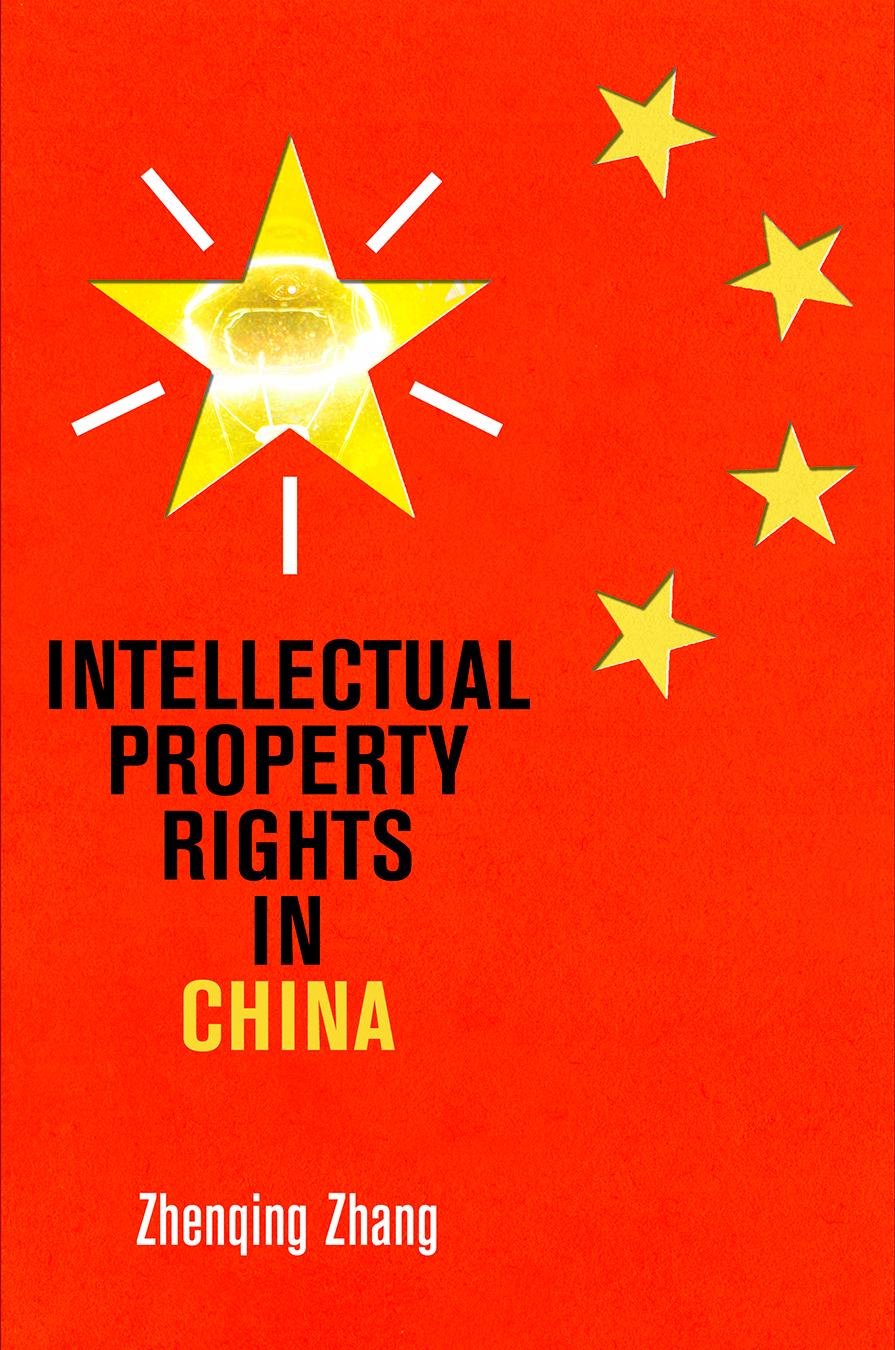
Over the past three decades, China has transformed itself from a stagnant, inward, centrally planned economy into an animated, outward-looking, decentralized market economy. Its rapid growth and trade surpluses have caused uneasiness in Western governments, which perceive this growth to be a result of China's rejection of international protocols that protect intellectual property and its widespread theft and replication of Western technology and products. China's major trading partners, particularly the United States, persistently criticize China for delivering, at best, half-hearted enforcement of intellectual property rights (IPR) norms. Despite these criticisms, Zhenqing Zhang argues that China does respect international intellectual property rights, but only in certain cases. In Intellectual Property Rights in China, Zhang addresses the variation in the effectiveness of China's IPR policy and explains the mechanisms for the uneven compliance with global IPR norms.
Covering the areas of patent, copyright, and trademark, Zhang chronicles how Chinese IPR policy has evolved within the legacy of a planned economy and an immature market mechanism. In this environment, compliance with IPR norms is the result of balancing two factors: the need for short-term economic gains that depend on violating others' IPR and the aspirations for long-term sustained growth that requires respecting others' IPR. In case studies grounded in theoretical analysis as well as interviews and fieldwork, Zhang demonstrates how advocates for IPR, typically cutting-edge Chinese companies and foreign IPR holders, can be strong enough to persuade government officials to comply with IPR norms to achieve the country's long-term economic development goals. Conversely, he reveals the ways in which local governments protect IPR infringers because of their own political interests in raising tax revenues and creating jobs.
Before Memmo my notes were scattered across PDFs. Now a workspace pulls everything into one place — I see exactly what's still left to study.
Memmo's summaries are gold before exams. I don't have to re-read 800 pages two weeks before — just the important parts.
The AI chat has saved me the night before an exam more than once. I just keep asking until I get it — no waiting on a study group to reply.
The quizzes hit exactly what I need to know. Memmo tracks what I get stuck on — so I only practice what's worth it.
Flashcards with spaced repetition are magic. Memmo knows when I'm about to forget something and brings it back.
The AI podcasts are my favorite. I listen on my way to school and get a recap without sitting at a computer.

Handbok i kvalitativa metoder
281 kr

Hållbar utveckling: en introduktion för ingenjörer och andra problemlösare
334 kr

Brymans Samhällsvetenskapliga metoder
390 kr

Projektledning
491 kr

Den orättvisa hälsan: om socioekonomiska skillnader i hälsa och livslängd
326 kr

Vetenskapsteori för nybörjare
196 kr

Organizational Leadership
429 kr

På väg mot läraryrket
172 kr

Det sociala livet i skolan: Socialpsykologiska perspektiv
253 kr

Betygsättningens didaktik
151 kr

Personality
402 kr

Studying Leadership
404 kr

Managing Innovation
477 kr

Introduktion till samhällsvetenskaplig metod
347 kr

The Psychology of Sex and Gender
698 kr

Evidens och kunskap för socialt arbete
207 kr

Introduction to Leadership
605 kr