
Before Memmo my notes were scattered across PDFs. Now a workspace pulls everything into one place — I see exactly what's still left to study.
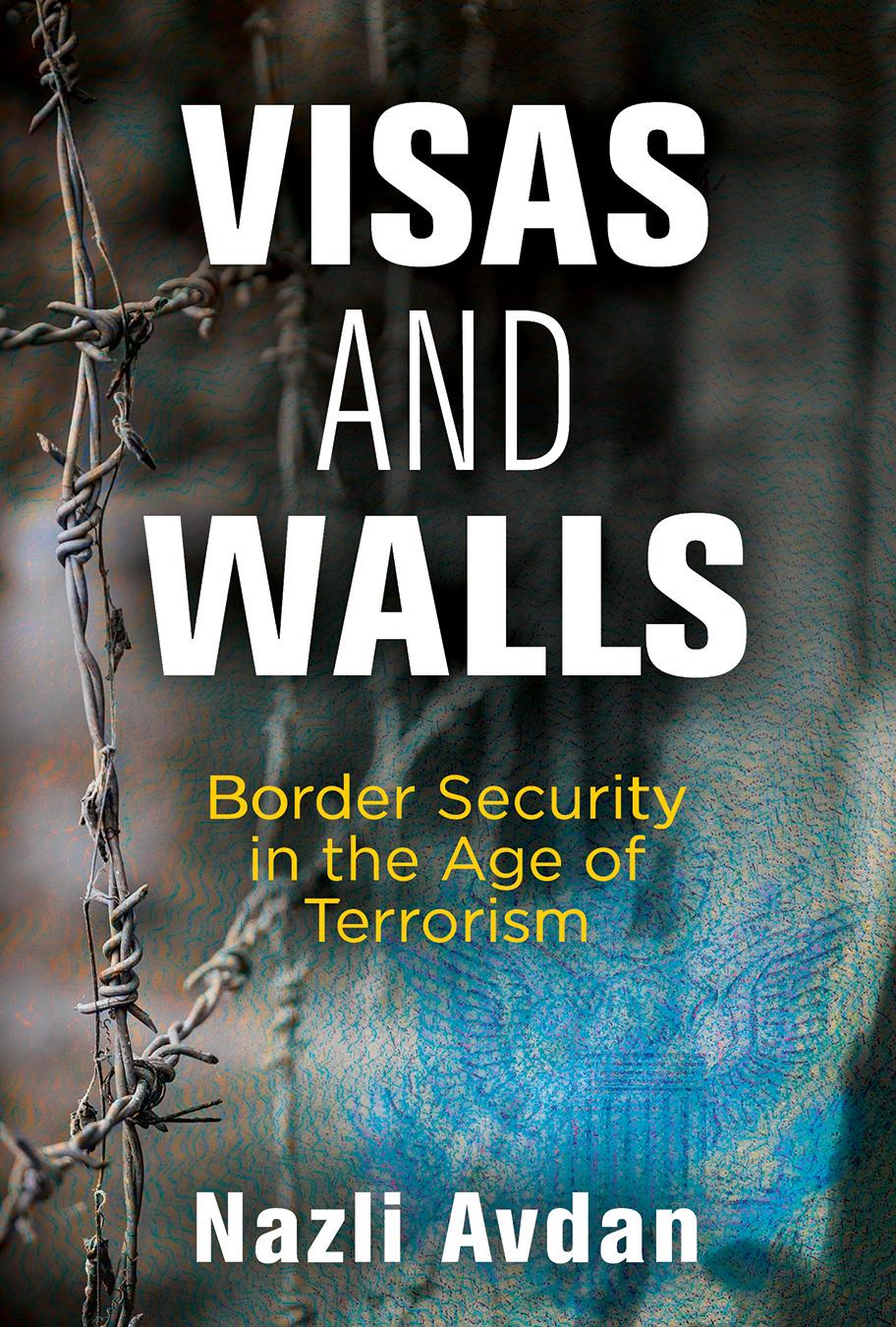
Borders traditionally served to insulate nations from other states and to provide bulwarks against intrusion by foreign armies. In the age of terrorism, borders are more frequently perceived as protection against threats from determined individuals arriving from elsewhere. After a deadly terrorist attack, leaders immediately encounter pressure to close their borders. As Nazli Avdan observes, cracking down on border crossings and policing migration enhance security. However, the imperatives of globalization demand that borders remain open to legal travel and economic exchange. While stricter border policies may be symbolically valuable and pragmatically safer, according to Avdan, they are economically costly, restricting trade between neighbors and damaging commercial ties. In Visas and Walls, Avdan argues that the balance between economics and security is contingent on how close to home threats, whether actual or potential, originate. When terrorist events affect the residents of a country or take place within its borders, economic ties matter less. When terrorist violence strikes elsewhere and does not involve its citizens, the unaffected state's investment in globalization carries the day.
Avdan examines the visa waiver programs and visa control policies of several countries in place in 2010, including Turkey's migration policies; analyzes the visa issuance practices of the European Union from 2003 until 2015; and explores how terrorism and trade affected states' propensities to build border walls in the post-World War II era. Her findings challenge the claim that border crackdowns are a reflexive response to terrorist violence and qualify globalists' assertions that economic globalization makes for open borders. Visas and Walls encourages policymakers and leaders to consider more broadly the effects of economic interdependence on policies governing borders and their permeability.
Before Memmo my notes were scattered across PDFs. Now a workspace pulls everything into one place — I see exactly what's still left to study.
Memmo's summaries are gold before exams. I don't have to re-read 800 pages two weeks before — just the important parts.
The AI chat has saved me the night before an exam more than once. I just keep asking until I get it — no waiting on a study group to reply.
The quizzes hit exactly what I need to know. Memmo tracks what I get stuck on — so I only practice what's worth it.
Flashcards with spaced repetition are magic. Memmo knows when I'm about to forget something and brings it back.
The AI podcasts are my favorite. I listen on my way to school and get a recap without sitting at a computer.

Handbok i kvalitativa metoder
281 kr

Hållbar utveckling: en introduktion för ingenjörer och andra problemlösare
334 kr

Brymans Samhällsvetenskapliga metoder
390 kr

Projektledning
491 kr

Den orättvisa hälsan: om socioekonomiska skillnader i hälsa och livslängd
326 kr

Vetenskapsteori för nybörjare
196 kr

Organizational Leadership
429 kr

På väg mot läraryrket
172 kr

Det sociala livet i skolan: Socialpsykologiska perspektiv
253 kr

Betygsättningens didaktik
151 kr

Personality
402 kr

Studying Leadership
404 kr

Managing Innovation
477 kr

Introduktion till samhällsvetenskaplig metod
347 kr

The Psychology of Sex and Gender
698 kr

Evidens och kunskap för socialt arbete
207 kr

Introduction to Leadership
605 kr