
Before Memmo my notes were scattered across PDFs. Now a workspace pulls everything into one place — I see exactly what's still left to study.
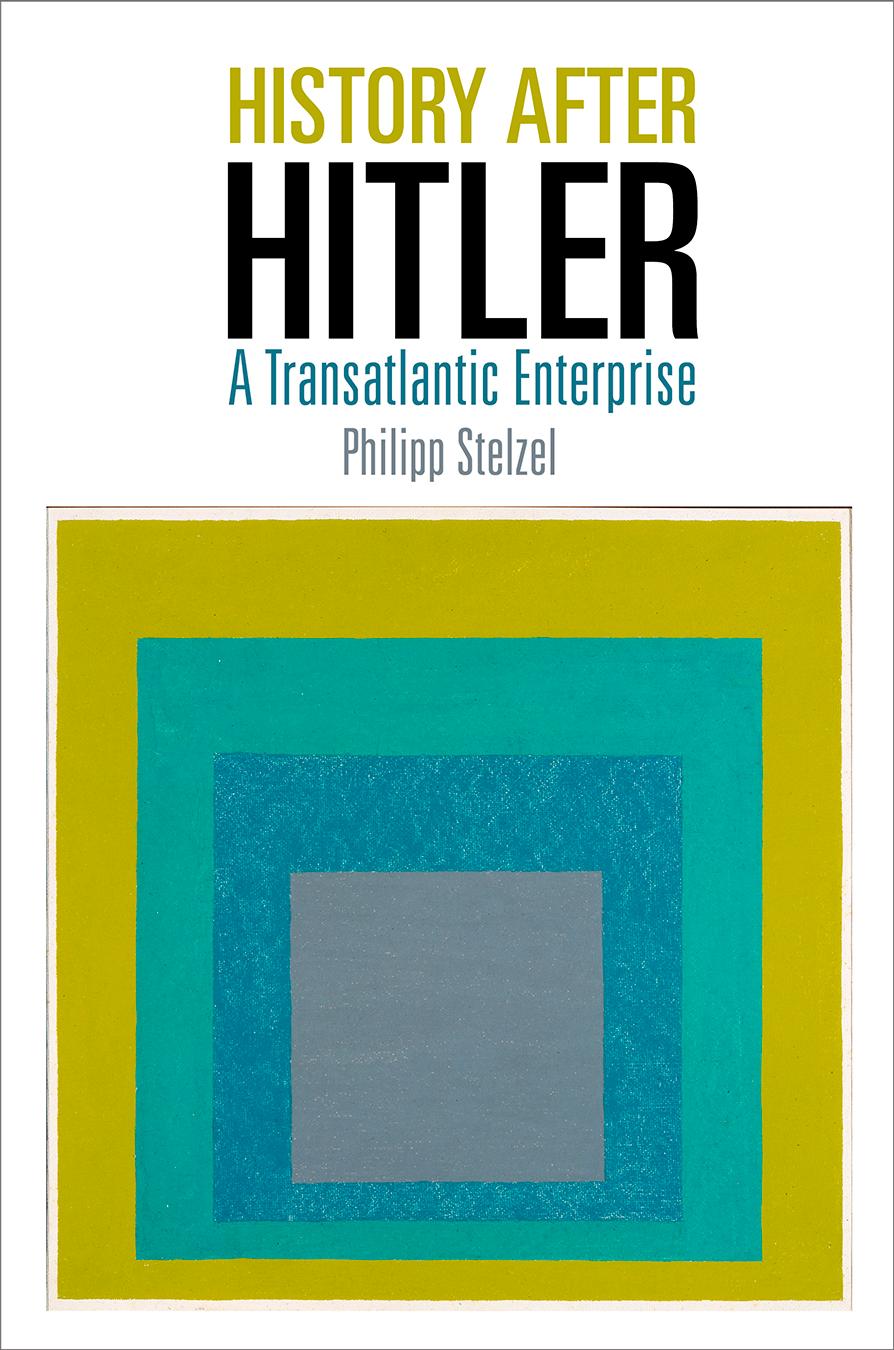
The decades following the end of World War II witnessed the establishment of a large and diverse German-American scholarly community studying modern German history. As West Germany's formerly deeply nationalist academic establishment began to reconcile itself with postwar liberalism, American historians played a crucial role, both assisting and learning from their German counterparts' efforts to make sense of the Nazi past—and to reconstruct how German society viewed it.
In History After Hitler, Philipp Stelzel puts this story center stage for the first time, positioning the dialogue between German and American historians as a key part of the intellectual history of the Federal Republic and of Cold War transatlantic relations. Making extensive use of previously inaccessible or unexplored personal papers and institutional files in German and American archives, Stelzel demonstrates that several factors fostered the growth of this transatlantic scholarly community. As a result of both National Socialism and the Cold War, American interest in Germany grew remarkably. In addition, a small but increasingly influential cohort of German émigré historians working in the United States served as transatlantic intermediaries. Finally, the strong appeal of American academia to West German historians of different generations led many of them to form and maintain close ties with their American colleagues.
History After Hitler explores how these historians participated as public intellectuals in debates about how to cope with the Nazi past, believing that the historical awareness of West German citizens would bolster the Federal Republic's democratization. Stelzel also corrects simplistic arguments regarding the supposed "Westernization" of the Federal Republic, emphasizing that American scholars, too, benefited from the transatlantic conversation. History After Hitler makes the case that, together, German and American historians contributed to the development of postwar German culture, intellectual life, and national self-understanding.
Before Memmo my notes were scattered across PDFs. Now a workspace pulls everything into one place — I see exactly what's still left to study.
Memmo's summaries are gold before exams. I don't have to re-read 800 pages two weeks before — just the important parts.
The AI chat has saved me the night before an exam more than once. I just keep asking until I get it — no waiting on a study group to reply.
The quizzes hit exactly what I need to know. Memmo tracks what I get stuck on — so I only practice what's worth it.
Flashcards with spaced repetition are magic. Memmo knows when I'm about to forget something and brings it back.
The AI podcasts are my favorite. I listen on my way to school and get a recap without sitting at a computer.

Handbok i kvalitativa metoder
281 kr

Hållbar utveckling: en introduktion för ingenjörer och andra problemlösare
334 kr

Brymans Samhällsvetenskapliga metoder
390 kr

Projektledning
491 kr

Den orättvisa hälsan: om socioekonomiska skillnader i hälsa och livslängd
326 kr

Vetenskapsteori för nybörjare
196 kr

Organizational Leadership
429 kr

På väg mot läraryrket
172 kr

Det sociala livet i skolan: Socialpsykologiska perspektiv
253 kr

Betygsättningens didaktik
151 kr

Personality
402 kr

Studying Leadership
404 kr

Managing Innovation
477 kr

Introduktion till samhällsvetenskaplig metod
347 kr

The Psychology of Sex and Gender
698 kr

Evidens och kunskap för socialt arbete
207 kr

Introduction to Leadership
605 kr