
Before Memmo my notes were scattered across PDFs. Now a workspace pulls everything into one place — I see exactly what's still left to study.
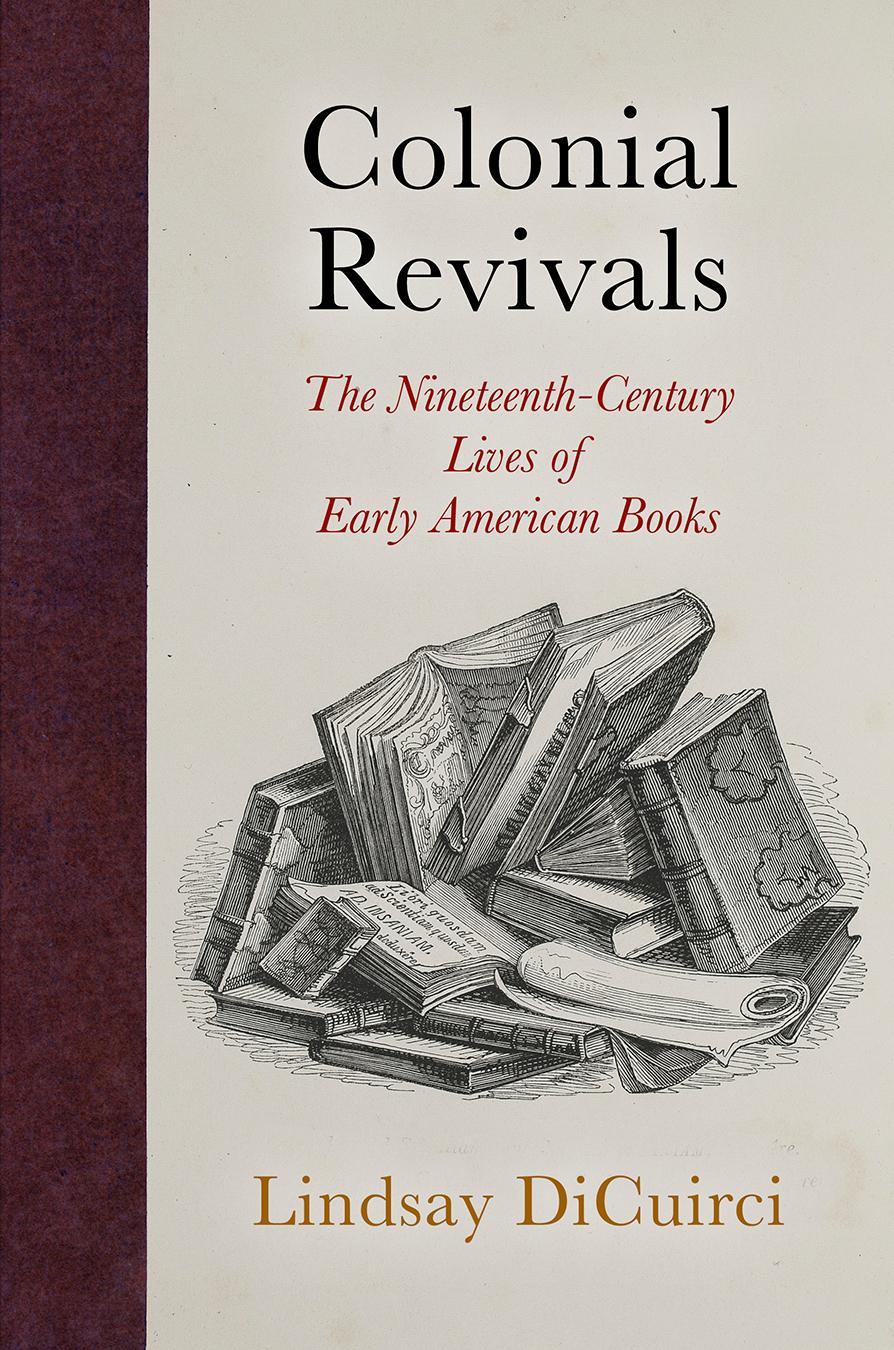
In the long nineteenth century, the specter of lost manuscripts loomed in the imagination of antiquarians, historians, and writers. Whether by war, fire, neglect, or the ravages of time itself, the colonial history of the United States was perceived as a vanishing record, its archive a hoard of materially unsound, temporally fragmented, politically fraught, and endangered documents.
Colonial Revivals traces the labors of a nineteenth-century cultural network of antiquarians, bibliophiles, amateur historians, and writers as they dug through the nation's attics and private libraries to assemble early American archives. The collection of colonial materials they thought themselves to be rescuing from oblivion were often reprinted to stave off future loss and shore up a sense of national permanence. Yet this archive proved as disorderly and incongruous as the collection of young states themselves. Instead of revealing a shared origin story, historical reprints testified to the inveterate regional, racial, doctrinal, and political fault lines in the American historical landscape.
Even as old books embodied a receding past, historical reprints reflected the antebellum period's most pressing ideological crises, from religious schisms to sectionalism to territorial expansion. Organized around four colonial regional cultures that loomed large in nineteenth-century literary history—Puritan New England, Cavalier Virginia, Quaker Pennsylvania, and the Spanish Caribbean—Colonial Revivals examines the reprinted works that enshrined these historical narratives in American archives and minds for decades to come. Revived through reprinting, the obscure texts of colonial history became new again, deployed as harbingers, models, reminders, and warnings to a nineteenth-century readership increasingly fixated on the uncertain future of the nation and its material past.
Before Memmo my notes were scattered across PDFs. Now a workspace pulls everything into one place — I see exactly what's still left to study.
Memmo's summaries are gold before exams. I don't have to re-read 800 pages two weeks before — just the important parts.
The AI chat has saved me the night before an exam more than once. I just keep asking until I get it — no waiting on a study group to reply.
The quizzes hit exactly what I need to know. Memmo tracks what I get stuck on — so I only practice what's worth it.
Flashcards with spaced repetition are magic. Memmo knows when I'm about to forget something and brings it back.
The AI podcasts are my favorite. I listen on my way to school and get a recap without sitting at a computer.

Handbok i kvalitativa metoder
281 kr

Hållbar utveckling: en introduktion för ingenjörer och andra problemlösare
334 kr

Brymans Samhällsvetenskapliga metoder
390 kr

Projektledning
491 kr

Den orättvisa hälsan: om socioekonomiska skillnader i hälsa och livslängd
326 kr

Vetenskapsteori för nybörjare
196 kr

Organizational Leadership
429 kr

På väg mot läraryrket
172 kr

Det sociala livet i skolan: Socialpsykologiska perspektiv
253 kr

Betygsättningens didaktik
151 kr

Personality
402 kr

Studying Leadership
404 kr

Managing Innovation
477 kr

Introduktion till samhällsvetenskaplig metod
347 kr

The Psychology of Sex and Gender
698 kr

Evidens och kunskap för socialt arbete
207 kr

Introduction to Leadership
605 kr