
Before Memmo my notes were scattered across PDFs. Now a workspace pulls everything into one place — I see exactly what's still left to study.
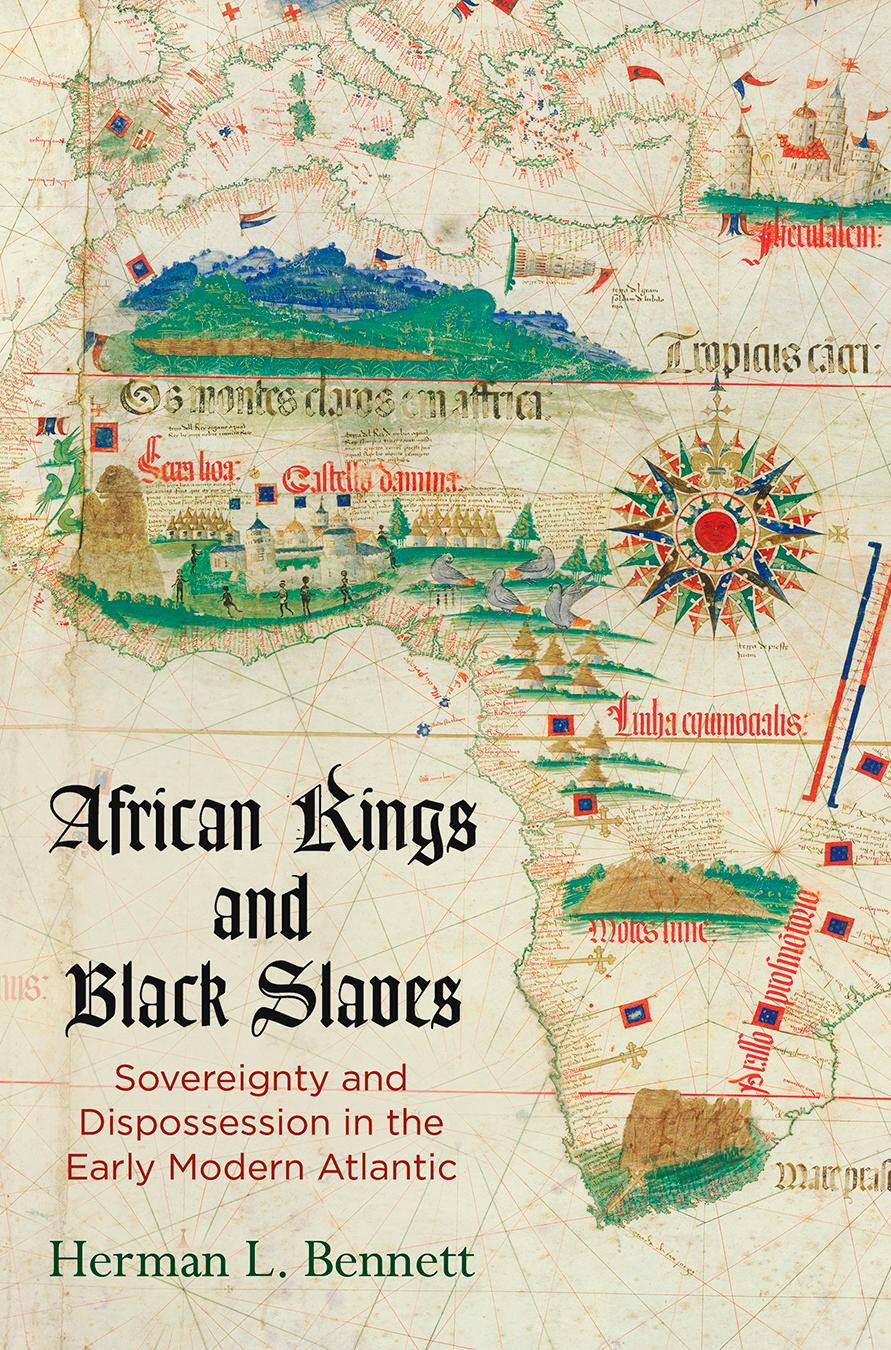
A thought-provoking reappraisal of the first European encounters with Africa
As early as 1441, and well before other European countries encountered Africa, small Portuguese and Spanish trading vessels were plying the coast of West Africa, where they conducted business with African kingdoms that possessed significant territory and power. In the process, Iberians developed an understanding of Africa's political landscape in which they recognized specific sovereigns, plotted the extent and nature of their polities, and grouped subjects according to their ruler.
In African Kings and Black Slaves, Herman L. Bennett mines the historical archives of Europe and Africa to reinterpret the first century of sustained African-European interaction. These encounters were not simple economic transactions. Rather, according to Bennett, they involved clashing understandings of diplomacy, sovereignty, and politics. Bennett unearths the ways in which Africa's kings required Iberian traders to participate in elaborate diplomatic rituals, establish treaties, and negotiate trade practices with autonomous territories. And he shows how Iberians based their interpretations of African sovereignty on medieval European political precepts grounded in Roman civil and canon law. In the eyes of Iberians, the extent to which Africa's polities conformed to these norms played a significant role in determining who was, and who was not, a sovereign people—a judgment that shaped who could legitimately be enslaved.
Through an examination of early modern African-European encounters, African Kings and Black Slaves offers a reappraisal of the dominant depiction of these exchanges as being solely mediated through the slave trade and racial difference. By asking in what manner did Europeans and Africans configure sovereignty, polities, and subject status, Bennett offers a new depiction of the diasporic identities that had implications for slaves' experiences in the Americas.
Before Memmo my notes were scattered across PDFs. Now a workspace pulls everything into one place — I see exactly what's still left to study.
Memmo's summaries are gold before exams. I don't have to re-read 800 pages two weeks before — just the important parts.
The AI chat has saved me the night before an exam more than once. I just keep asking until I get it — no waiting on a study group to reply.
The quizzes hit exactly what I need to know. Memmo tracks what I get stuck on — so I only practice what's worth it.
Flashcards with spaced repetition are magic. Memmo knows when I'm about to forget something and brings it back.
The AI podcasts are my favorite. I listen on my way to school and get a recap without sitting at a computer.

Handbok i kvalitativa metoder
281 kr

Hållbar utveckling: en introduktion för ingenjörer och andra problemlösare
334 kr

Brymans Samhällsvetenskapliga metoder
390 kr

Projektledning
491 kr

Den orättvisa hälsan: om socioekonomiska skillnader i hälsa och livslängd
326 kr

Vetenskapsteori för nybörjare
196 kr

Organizational Leadership
429 kr

På väg mot läraryrket
172 kr

Det sociala livet i skolan: Socialpsykologiska perspektiv
253 kr

Betygsättningens didaktik
151 kr

Personality
402 kr

Studying Leadership
404 kr

Managing Innovation
477 kr

Introduktion till samhällsvetenskaplig metod
347 kr

The Psychology of Sex and Gender
698 kr

Evidens och kunskap för socialt arbete
207 kr

Introduction to Leadership
605 kr