
Before Memmo my notes were scattered across PDFs. Now a workspace pulls everything into one place — I see exactly what's still left to study.
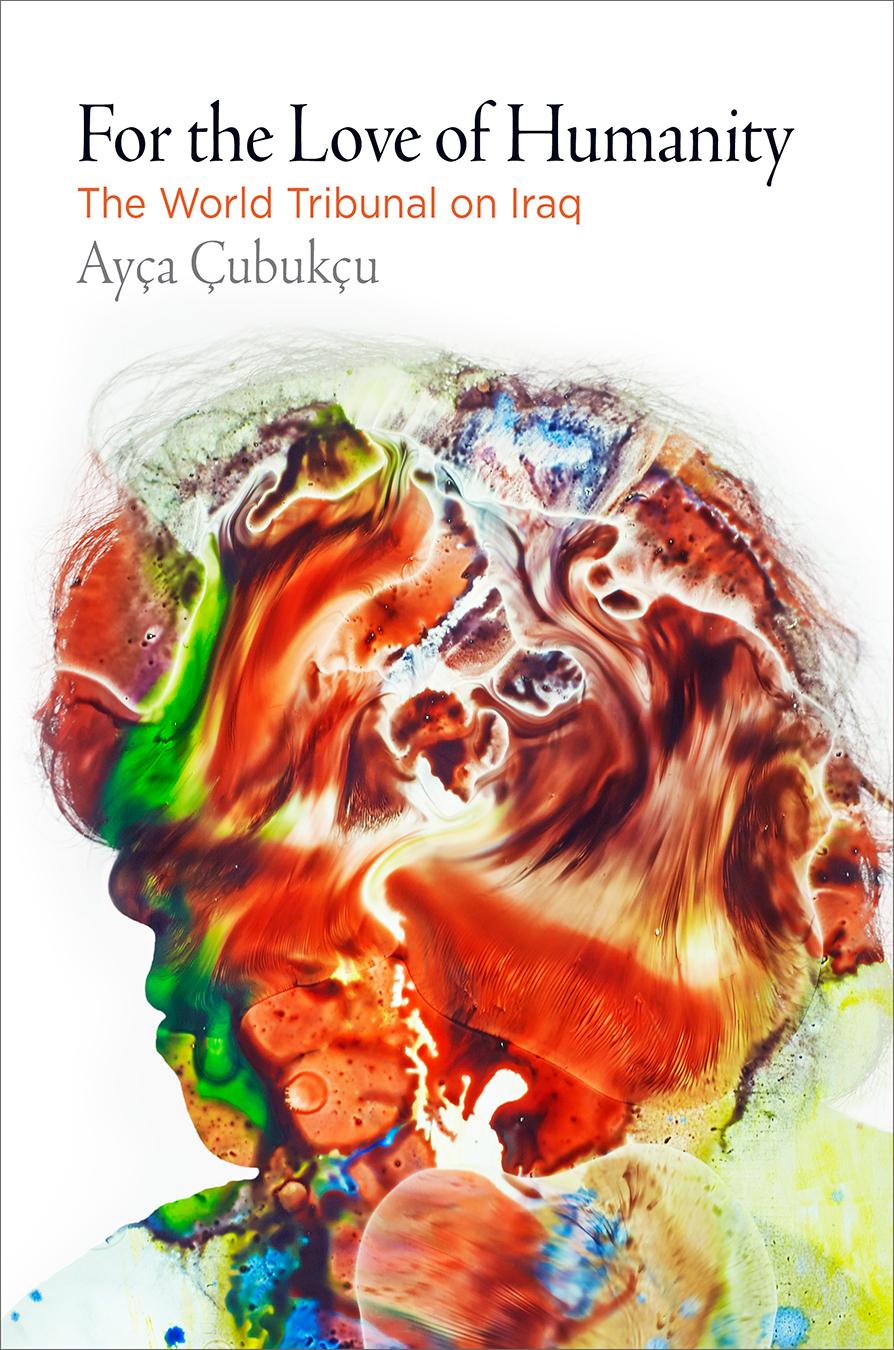
On February 15, 2003, millions of people around the world demonstrated against the war that the United States, the United Kingdom, and their allies were planning to wage in Iraq. Despite this being the largest protest in the history of humankind, the war on Iraq began the next month. That year, the World Tribunal on Iraq (WTI) emerged from the global antiwar movement that had mobilized against the invasion and subsequent occupation. Like the earlier tribunal on Vietnam convened by Bertrand Russell and Jean-Paul Sartre, the WTI sought to document—and provide grounds for adjudicating—war crimes committed by the United States, the United Kingdom, and their allied forces during the Iraq war.
For the Love of Humanity builds on two years of transnational fieldwork within the decentralized network of antiwar activists who constituted the WTI in some twenty cities around the world. Ayça Çubukçu illuminates the tribunal up close, both as an ethnographer and a sympathetic participant. In the process, she situates debates among WTI activists—a group encompassing scholars, lawyers, students, translators, writers, teachers, and more—alongside key jurists, theorists, and critics of global democracy.
WTI activists confronted many dilemmas as they conducted their political arguments and actions, often facing interpretations of human rights and international law that, unlike their own, were not grounded in anti-imperialism. Çubukçu approaches this conflict by broadening her lens, incorporating insights into how Amnesty International, Human Rights Watch, and the Iraqi High Tribunal grappled with the realities of Iraq's occupation. Through critical analysis of the global debate surrounding one of the early twenty-first century's most significant world events, For the Love of Humanity addresses the challenges of forging global solidarity against imperialism and makes a case for reevaluating the relationships between law and violence, empire and human rights, and cosmopolitan authority and political autonomy.
Before Memmo my notes were scattered across PDFs. Now a workspace pulls everything into one place — I see exactly what's still left to study.
Memmo's summaries are gold before exams. I don't have to re-read 800 pages two weeks before — just the important parts.
The AI chat has saved me the night before an exam more than once. I just keep asking until I get it — no waiting on a study group to reply.
The quizzes hit exactly what I need to know. Memmo tracks what I get stuck on — so I only practice what's worth it.
Flashcards with spaced repetition are magic. Memmo knows when I'm about to forget something and brings it back.
The AI podcasts are my favorite. I listen on my way to school and get a recap without sitting at a computer.

Handbok i kvalitativa metoder
281 kr

Hållbar utveckling: en introduktion för ingenjörer och andra problemlösare
334 kr

Brymans Samhällsvetenskapliga metoder
390 kr

Projektledning
491 kr

Den orättvisa hälsan: om socioekonomiska skillnader i hälsa och livslängd
326 kr

Organizational Leadership
429 kr

Vetenskapsteori för nybörjare
196 kr

På väg mot läraryrket
172 kr

Det sociala livet i skolan: Socialpsykologiska perspektiv
253 kr

Betygsättningens didaktik
151 kr

Personality
402 kr

Studying Leadership
404 kr

Managing Innovation
477 kr

Introduktion till samhällsvetenskaplig metod
347 kr

The Psychology of Sex and Gender
698 kr

Evidens och kunskap för socialt arbete
207 kr

Introduction to Leadership
605 kr