
Before Memmo my notes were scattered across PDFs. Now a workspace pulls everything into one place — I see exactly what's still left to study.
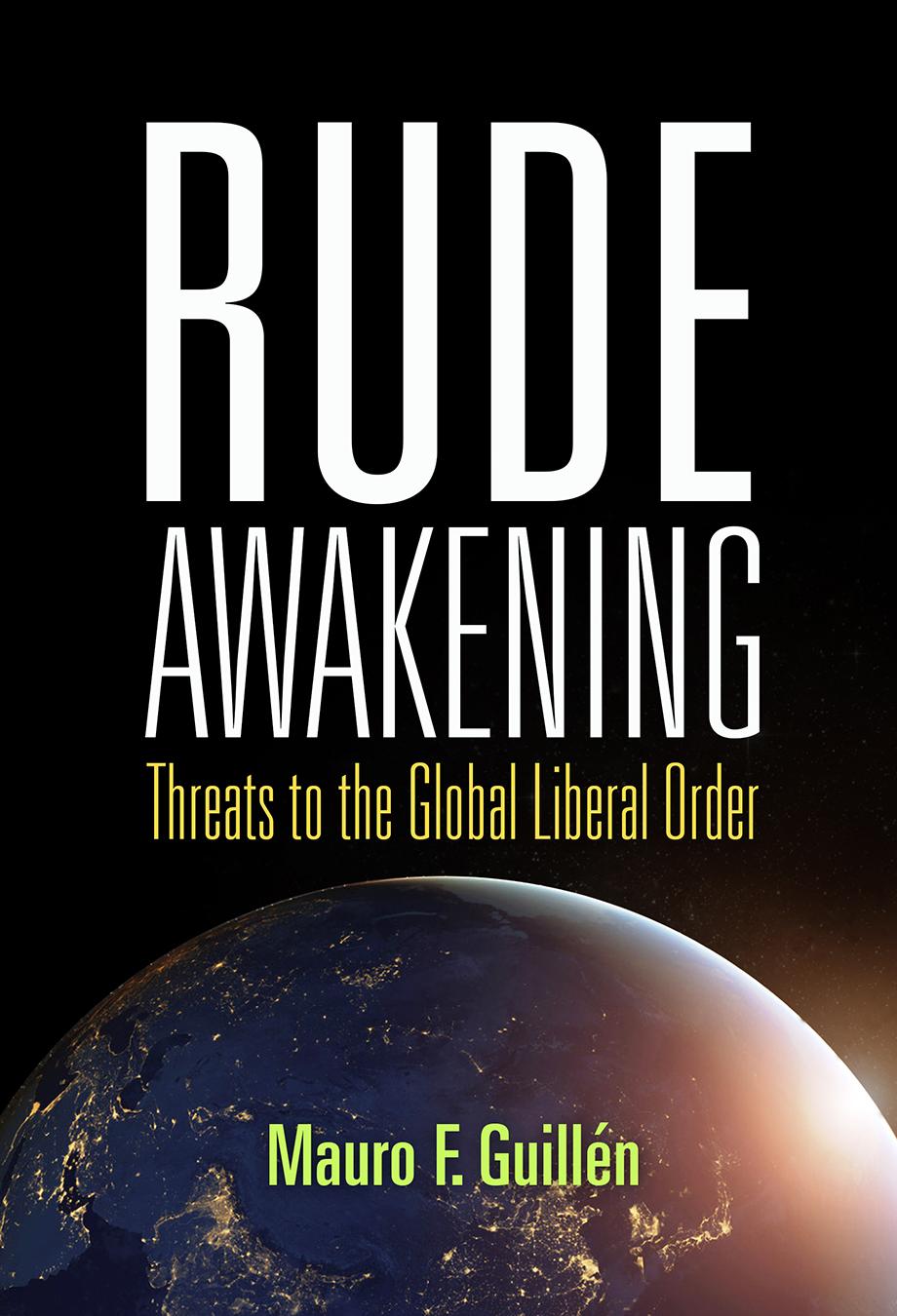
In the wake of World War II, a number of institutions designed to promote a liberal global economic and geopolitical order were established—the International Monetary Fund, the General Agreement on Tariffs and Trade (forerunner of the World Trade Organization), and the World Bank in the economic sphere, and the United Nations in the geopolitical realm. Although these organizations were far from perfect, their actions promoted rising living standards and political freedoms for all. Liberalism thus reengineered represented a fundamental bet on the supremacy of democracy and the market economy, and spurred the transformation of North America, Western Europe, and Japan into prosperous societies, each with a large and vibrant middle class and a social safety net.
Now, however, this liberal geopolitical and economic order is under attack. The free movement of goods, services, money, people, and information that once formed the recipe for progress under liberalism is blamed by many for rising inequality, mass migrations, and the declining legitimacy of political parties, as well as the fragmentation of global superpower relations. Nationalism, xenophobia, and populism continue to advance at the right and left ends of the political spectrum, eroding the moderate middle ground.
In Rude Awakening, Mauro F. Guillén argues for an improved international arrangement to provide for stability and prosperity. He offers key considerations that a reinvented global liberal order must address—from finding a balance between markets and governments to confronting present realities, such as rapid technological change and social inequality, to recognizing that Europe and the United States can no longer attempt by themselves to steer the global economy. Rude Awakening affirms the potential of liberalism still to provide a flexible framework for governments, businesses, workers, and citizens to explore and make necessary compromises and coalitions for a better future.
Before Memmo my notes were scattered across PDFs. Now a workspace pulls everything into one place — I see exactly what's still left to study.
Memmo's summaries are gold before exams. I don't have to re-read 800 pages two weeks before — just the important parts.
The AI chat has saved me the night before an exam more than once. I just keep asking until I get it — no waiting on a study group to reply.
The quizzes hit exactly what I need to know. Memmo tracks what I get stuck on — so I only practice what's worth it.
Flashcards with spaced repetition are magic. Memmo knows when I'm about to forget something and brings it back.
The AI podcasts are my favorite. I listen on my way to school and get a recap without sitting at a computer.

Handbok i kvalitativa metoder
281 kr

Hållbar utveckling: en introduktion för ingenjörer och andra problemlösare
334 kr

Brymans Samhällsvetenskapliga metoder
390 kr

Projektledning
491 kr

Den orättvisa hälsan: om socioekonomiska skillnader i hälsa och livslängd
326 kr

Vetenskapsteori för nybörjare
196 kr

Organizational Leadership
429 kr

På väg mot läraryrket
172 kr

Det sociala livet i skolan: Socialpsykologiska perspektiv
253 kr

Betygsättningens didaktik
151 kr

Personality
402 kr

Studying Leadership
404 kr

Managing Innovation
477 kr

Introduktion till samhällsvetenskaplig metod
347 kr

The Psychology of Sex and Gender
698 kr

Evidens och kunskap för socialt arbete
207 kr

Introduction to Leadership
605 kr