
Before Memmo my notes were scattered across PDFs. Now a workspace pulls everything into one place — I see exactly what's still left to study.
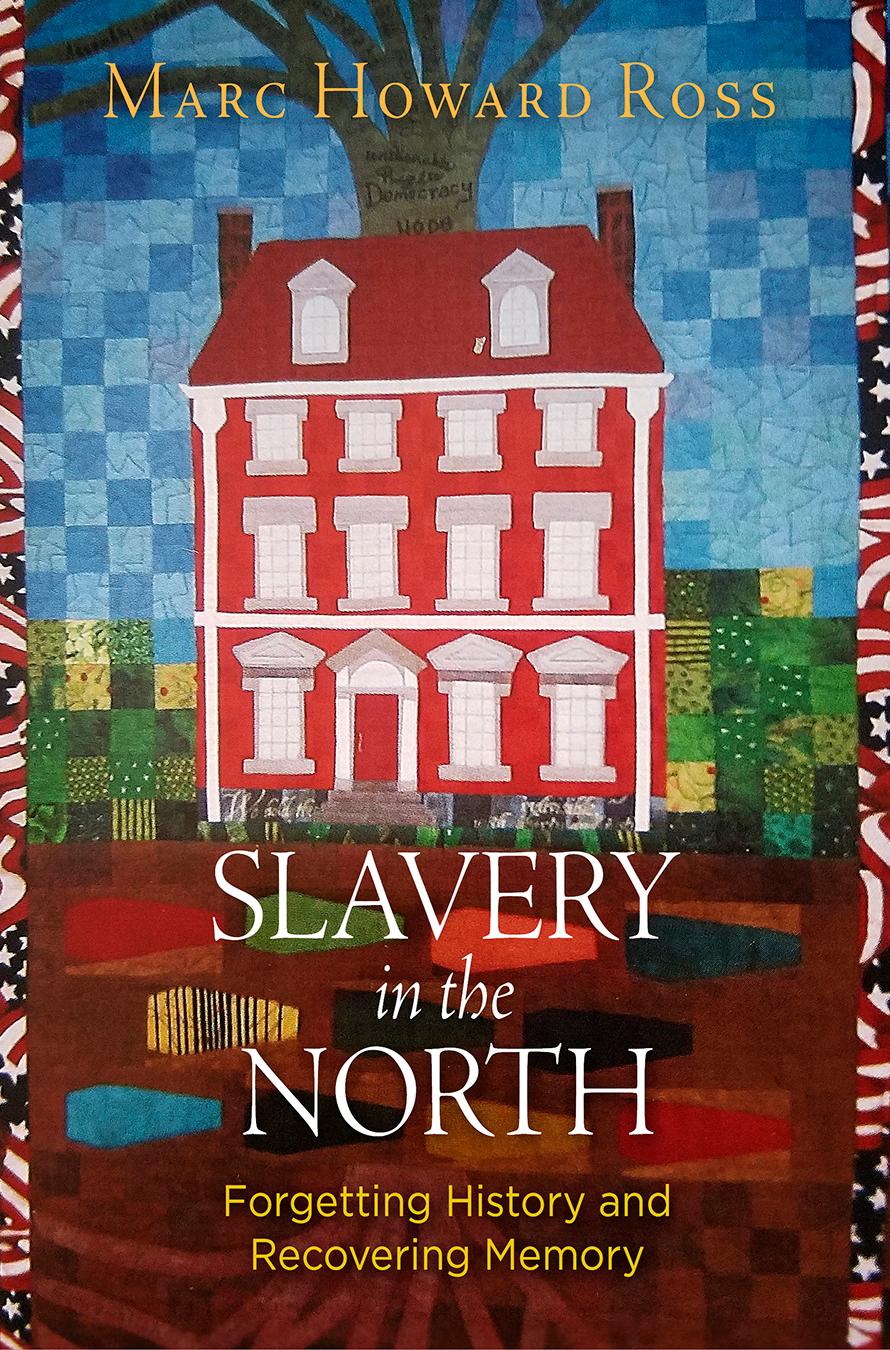
In 2002, we learned that President George Washington had eight (and, later, nine) enslaved Africans in his house while he lived in Philadelphia from 1790 to 1797. The house was only one block from Independence Hall and, though torn down in 1832, it housed the enslaved men and women Washington brought to the city as well as serving as the country's first executive office building. Intense controversy erupted over what this newly resurfaced evidence of enslaved people in Philadelphia meant for the site that was next door to the new home for the Liberty Bell. How could slavery best be remembered and memorialized in the birthplace of American freedom? For Marc Howard Ross, this conflict raised a related and troubling question: why and how did slavery in the North fade from public consciousness to such a degree that most Americans have perceived it entirely as a "Southern problem"?
Although slavery was institutionalized throughout the Northern as well as the Southern colonies and early states, the existence of slavery in the North and its significance for the region's economic development has rarely received public recognition. In Slavery in the North, Ross not only asks why enslavement disappeared from the North's collective memories but also how the dramatic recovery of these memories in recent decades should be understood. Ross undertakes an exploration of the history of Northern slavery, visiting sites such as the African Burial Ground in New York, Independence National Historical Park in Philadelphia, the ports of Rhode Island, old mansions in Massachusetts, prestigious universities, and rediscovered burying grounds. Inviting the reader to accompany him on his own journey of discovery, Ross recounts the processes by which Northerners had collectively forgotten 250 years of human bondage and the recent—and continuing—struggles over recovering, and commemorating, what it entailed.
Before Memmo my notes were scattered across PDFs. Now a workspace pulls everything into one place — I see exactly what's still left to study.
Memmo's summaries are gold before exams. I don't have to re-read 800 pages two weeks before — just the important parts.
The AI chat has saved me the night before an exam more than once. I just keep asking until I get it — no waiting on a study group to reply.
The quizzes hit exactly what I need to know. Memmo tracks what I get stuck on — so I only practice what's worth it.
Flashcards with spaced repetition are magic. Memmo knows when I'm about to forget something and brings it back.
The AI podcasts are my favorite. I listen on my way to school and get a recap without sitting at a computer.

Handbok i kvalitativa metoder
281 kr

Hållbar utveckling: en introduktion för ingenjörer och andra problemlösare
334 kr

Brymans Samhällsvetenskapliga metoder
390 kr

Projektledning
491 kr

Den orättvisa hälsan: om socioekonomiska skillnader i hälsa och livslängd
326 kr

Vetenskapsteori för nybörjare
196 kr

Organizational Leadership
429 kr

På väg mot läraryrket
172 kr

Det sociala livet i skolan: Socialpsykologiska perspektiv
253 kr

Betygsättningens didaktik
151 kr

Personality
402 kr

Studying Leadership
404 kr

Managing Innovation
477 kr

Introduktion till samhällsvetenskaplig metod
347 kr

The Psychology of Sex and Gender
698 kr

Evidens och kunskap för socialt arbete
207 kr

Introduction to Leadership
605 kr