
Before Memmo my notes were scattered across PDFs. Now a workspace pulls everything into one place — I see exactly what's still left to study.
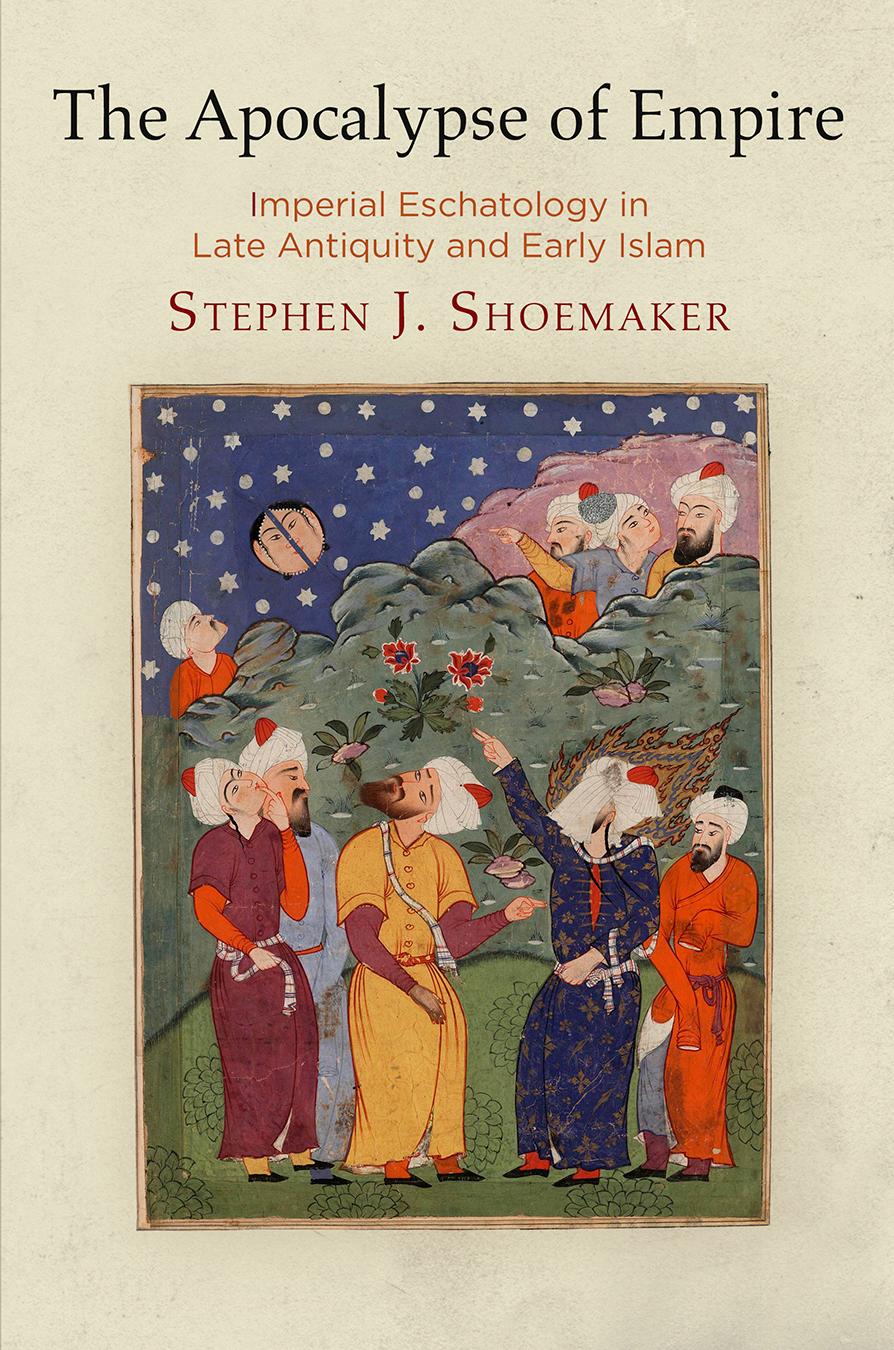
In The Apocalypse of Empire, Stephen J. Shoemaker argues that earliest Islam was a movement driven by urgent eschatological belief that focused on the conquest, or liberation, of the biblical Holy Land and situates this belief within a broader cultural environment of apocalyptic anticipation. Shoemaker looks to the Qur'an's fervent representation of the imminent end of the world and the importance Muhammad and his earliest followers placed on imperial expansion. Offering important contemporary context for the imperial eschatology that seems to have fueled the rise of Islam, he surveys the political eschatologies of early Byzantine Christianity, Judaism, and Sasanian Zoroastrianism at the advent of Islam and argues that they often relate imperial ambition to beliefs about the end of the world. Moreover, he contends, formative Islam's embrace of this broader religious trend of Mediterranean late antiquity provides invaluable evidence for understanding the beginnings of the religion at a time when sources are generally scarce and often highly problematic.
Scholarship on apocalyptic literature in early Judaism and Christianity frequently maintains that the genre is decidedly anti-imperial in its very nature. While it may be that early Jewish apocalyptic literature frequently displays this tendency, Shoemaker demonstrates that this quality is not characteristic of apocalypticism at all times and in all places. In the late antique Mediterranean as in the European Middle Ages, apocalypticism was regularly associated with ideas of imperial expansion and triumph, which expected the culmination of history to arrive through the universal dominion of a divinely chosen world empire. This imperial apocalypticism not only affords an invaluable backdrop for understanding the rise of Islam but also reveals an important transition within the history of Western doctrine during late antiquity.
Before Memmo my notes were scattered across PDFs. Now a workspace pulls everything into one place — I see exactly what's still left to study.
Memmo's summaries are gold before exams. I don't have to re-read 800 pages two weeks before — just the important parts.
The AI chat has saved me the night before an exam more than once. I just keep asking until I get it — no waiting on a study group to reply.
The quizzes hit exactly what I need to know. Memmo tracks what I get stuck on — so I only practice what's worth it.
Flashcards with spaced repetition are magic. Memmo knows when I'm about to forget something and brings it back.
The AI podcasts are my favorite. I listen on my way to school and get a recap without sitting at a computer.

Handbok i kvalitativa metoder
281 kr

Hållbar utveckling: en introduktion för ingenjörer och andra problemlösare
334 kr

Brymans Samhällsvetenskapliga metoder
390 kr

Projektledning
491 kr

Den orättvisa hälsan: om socioekonomiska skillnader i hälsa och livslängd
326 kr

Vetenskapsteori för nybörjare
196 kr

Organizational Leadership
429 kr

På väg mot läraryrket
172 kr

Det sociala livet i skolan: Socialpsykologiska perspektiv
253 kr

Betygsättningens didaktik
151 kr

Personality
402 kr

Studying Leadership
404 kr

Managing Innovation
477 kr

Introduktion till samhällsvetenskaplig metod
347 kr

The Psychology of Sex and Gender
698 kr

Evidens och kunskap för socialt arbete
207 kr

Introduction to Leadership
605 kr