
Before Memmo my notes were scattered across PDFs. Now a workspace pulls everything into one place — I see exactly what's still left to study.
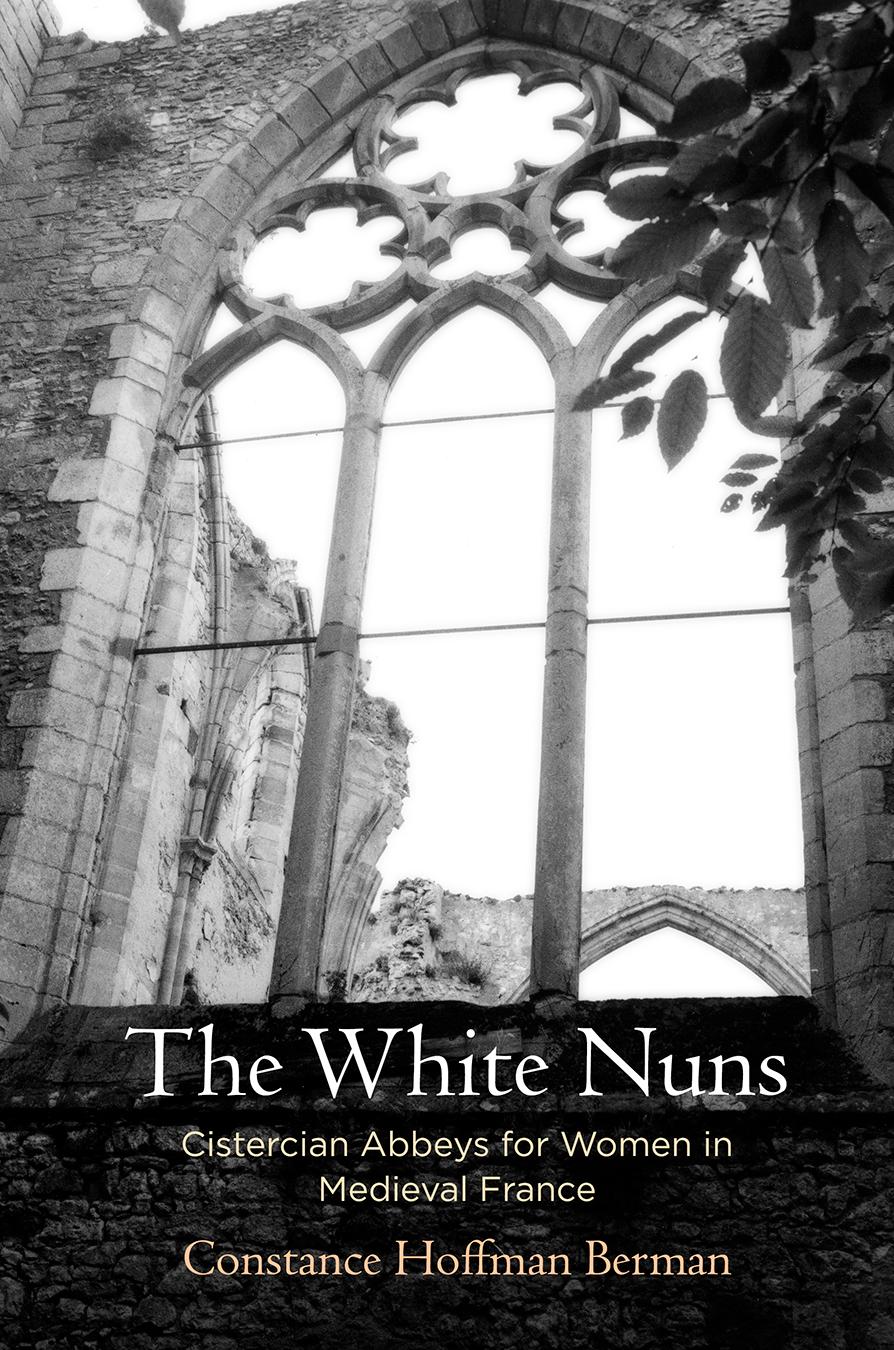
Modern studies of the religious reform movement of the central Middle Ages have often relied on contemporary accounts penned by Cistercian monks, who routinely exaggerated the importance of their own institutions while paying scant attention to the remarkable expansion of abbeys of Cistercian women. Yet by the end of the thirteenth century, Constance Hoffman Berman contends, there were more houses of Cistercian nuns across Europe than of monks. In The White Nuns, she charts the stages in the nuns' gradual acceptance by the abbots of the Cistercian Order's General Chapter and describes the expansion of the nuns' communities and their adaptation to a variety of economic circumstances in France and throughout Europe. While some sought contemplative lives of prayer, the ambition of many of these religious women was to serve the poor, the sick, and the elderly.
Focusing in particular on Cistercian nuns' abbeys founded between 1190 and 1250 in the northern French archdiocese of Sens, Berman reveals the frequency with which communities of Cistercian nuns were founded by rich and powerful women, including Queen Blanche of Castile, heiresses Countess Matilda of Courtenay and Countess Isabelle of Chartres, and esteemed ladies such as Agnes of Cressonessart. She shows how these founders and early patrons assisted early abbesses, nuns, and lay sisters by using written documents to secure rights and create endowments, and it is on the records of their considerable economic achievements that she centers her analysis.
The White Nuns considers Cistercian women and the women who were their patrons in a clear-eyed reading of narrative texts in their contexts. It challenges conventional scholarship that accepts the words of medieval monastic writers as literal truth, as if they were written without rhetorical skill, bias, or self-interest. In its identification of long-accepted misogynies, its search for their origins, and its struggle to reject such misreadings, The White Nuns provides a robust model for historians writing against received traditions.
Before Memmo my notes were scattered across PDFs. Now a workspace pulls everything into one place — I see exactly what's still left to study.
Memmo's summaries are gold before exams. I don't have to re-read 800 pages two weeks before — just the important parts.
The AI chat has saved me the night before an exam more than once. I just keep asking until I get it — no waiting on a study group to reply.
The quizzes hit exactly what I need to know. Memmo tracks what I get stuck on — so I only practice what's worth it.
Flashcards with spaced repetition are magic. Memmo knows when I'm about to forget something and brings it back.
The AI podcasts are my favorite. I listen on my way to school and get a recap without sitting at a computer.

Handbok i kvalitativa metoder
281 kr

Hållbar utveckling: en introduktion för ingenjörer och andra problemlösare
334 kr

Brymans Samhällsvetenskapliga metoder
390 kr

Projektledning
491 kr

Den orättvisa hälsan: om socioekonomiska skillnader i hälsa och livslängd
326 kr

Vetenskapsteori för nybörjare
196 kr

Organizational Leadership
429 kr

På väg mot läraryrket
172 kr

Det sociala livet i skolan: Socialpsykologiska perspektiv
253 kr

Betygsättningens didaktik
151 kr

Personality
402 kr

Studying Leadership
404 kr

Managing Innovation
477 kr

Introduktion till samhällsvetenskaplig metod
347 kr

The Psychology of Sex and Gender
698 kr

Evidens och kunskap för socialt arbete
207 kr

Introduction to Leadership
605 kr