
Before Memmo my notes were scattered across PDFs. Now a workspace pulls everything into one place — I see exactly what's still left to study.
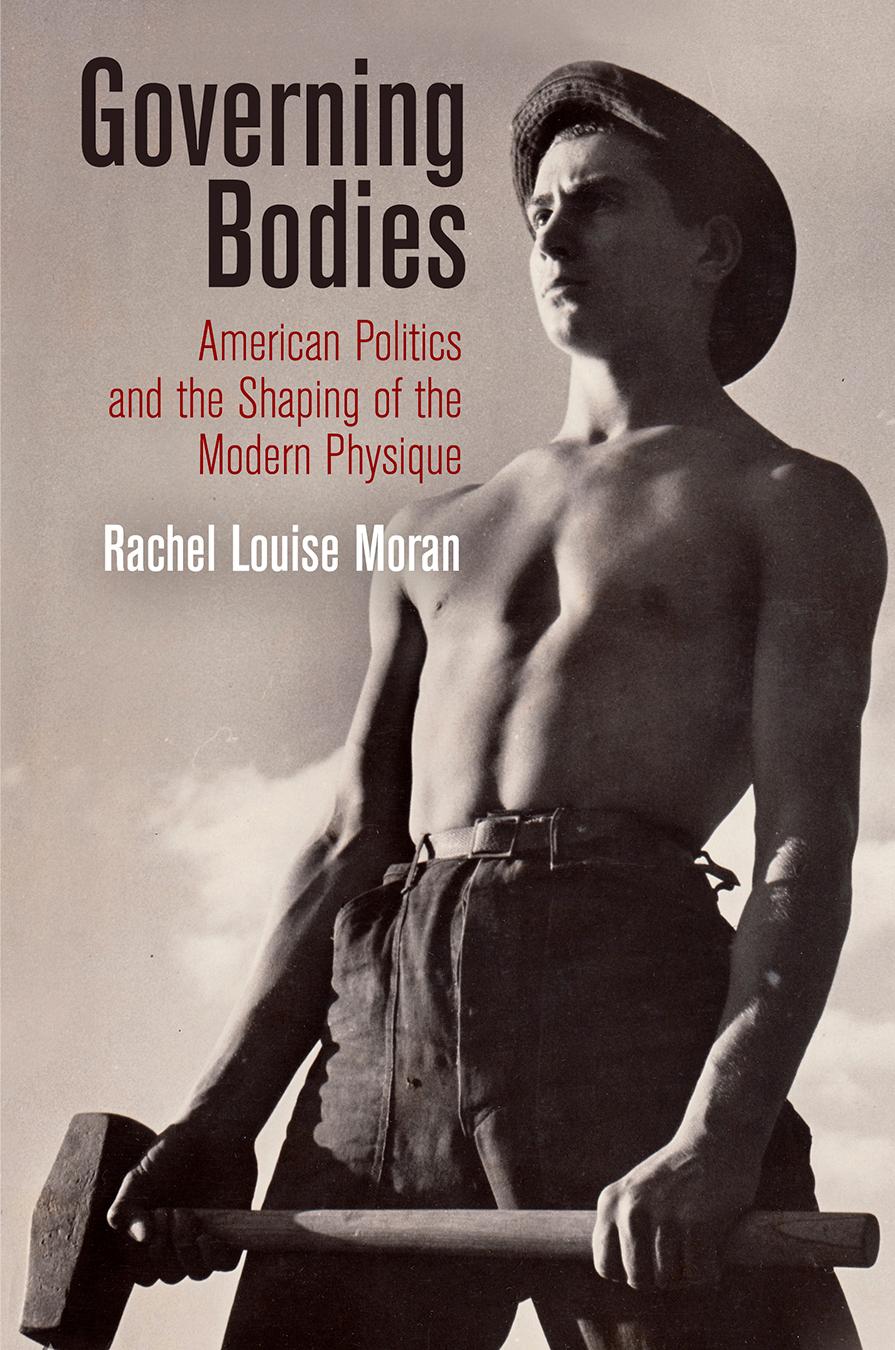
Americans are generally apprehensive about what they perceive as big government—especially when it comes to measures that target their bodies. Soda taxes, trans fat bans, and calorie counts on menus have all proven deeply controversial. Such interventions, Rachel Louise Moran argues, are merely the latest in a long, albeit often quiet, history of policy motivated by economic, military, and familial concerns. In Governing Bodies, Moran traces the tension between the intimate terrain of the individual citizen's body and the public ways in which the federal government has sought to shape the American physique over the course of the twentieth century.
Distinguishing her subject from more explicit and aggressive government intrusion into the areas of sexuality and reproduction, Moran offers the concept of the "advisory state"—the use of government research, publicity, and advocacy aimed at achieving citizen support and voluntary participation to realize social goals. Instituted through outside agencies and glossy pamphlets as well as legislation, the advisory state is government out of sight yet intimately present in the lives of citizens. The activities of such groups as the Civilian Conservation Corps, the Children's Bureau, the President's Council on Physical Fitness, and the Special Supplemental Nutrition Program for Women, Infants, and Children (WIC) implement federal body projects in subtle ways that serve to mask governmental interference in personal decisions about diet and exercise. From advice-giving to height-weight standards to mandatory nutrition education, these tactics not only empower and conceal the advisory state but also maintain the illusion of public and private boundaries, even as they become blurred in practice.
Weaving together histories of the body, public policy, and social welfare, Moran analyzes a series of discrete episodes to chronicle the federal government's efforts to shape the physique of its citizenry. Governing Bodies sheds light on our present anxieties over the proper boundaries of state power.
Before Memmo my notes were scattered across PDFs. Now a workspace pulls everything into one place — I see exactly what's still left to study.
Memmo's summaries are gold before exams. I don't have to re-read 800 pages two weeks before — just the important parts.
The AI chat has saved me the night before an exam more than once. I just keep asking until I get it — no waiting on a study group to reply.
The quizzes hit exactly what I need to know. Memmo tracks what I get stuck on — so I only practice what's worth it.
Flashcards with spaced repetition are magic. Memmo knows when I'm about to forget something and brings it back.
The AI podcasts are my favorite. I listen on my way to school and get a recap without sitting at a computer.

Handbok i kvalitativa metoder
281 kr

Hållbar utveckling: en introduktion för ingenjörer och andra problemlösare
334 kr

Brymans Samhällsvetenskapliga metoder
390 kr

Projektledning
491 kr

Den orättvisa hälsan: om socioekonomiska skillnader i hälsa och livslängd
326 kr

Organizational Leadership
429 kr

Vetenskapsteori för nybörjare
196 kr

På väg mot läraryrket
172 kr

Det sociala livet i skolan: Socialpsykologiska perspektiv
253 kr

Betygsättningens didaktik
151 kr

Personality
402 kr

Studying Leadership
404 kr

Managing Innovation
477 kr

Introduktion till samhällsvetenskaplig metod
347 kr

The Psychology of Sex and Gender
698 kr

Evidens och kunskap för socialt arbete
207 kr

Introduction to Leadership
605 kr