
Before Memmo my notes were scattered across PDFs. Now a workspace pulls everything into one place — I see exactly what's still left to study.
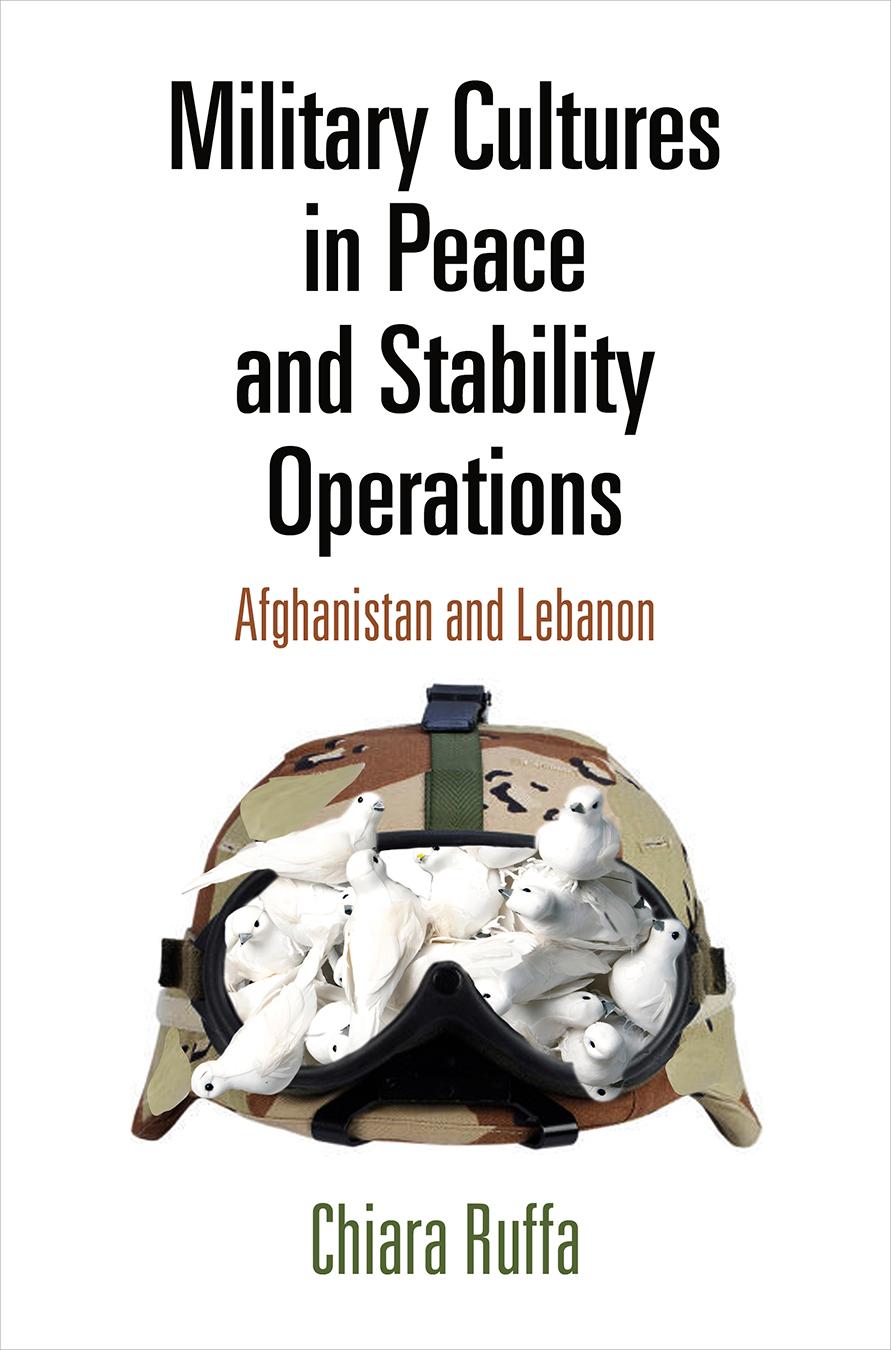
As of September 2017, the United Nations alone deployed 110,000 uniformed personnel from 122 countries in fifteen peacekeeping operations worldwide. Soldiers in these missions are important actors who not only have considerable responsibility for implementing peace and stability operations but also have a concomitant influence on their goals and impact. Yet we know surprisingly little about the factors that prompt soldiers' behavior. Despite being deployed on the same mission under similar conditions, various national contingents display significant, systematic differences in their actions on the ground.
In Military Cultures in Peace and Stability Operations, Chiara Ruffa challenges the widely held assumption that military contingents, regardless of their origins, implement mandates in a similar manner. She argues instead that military culture—the set of attitudes, values, and beliefs instilled into an army and transmitted across generations of those in uniform —influences how soldiers behave at the tactical level. When soldiers are abroad, they are usually deployed as units, and when a military unit deploys, its military culture goes with it. By investigating where military culture comes from, Ruffa demonstrates why military units conduct themselves the way they do.
Between 2007 and 2014, Ruffa was embedded in French and Italian units deployed under comparable circumstances in two different kinds of peace and stability operations: the United Nations Interim Force in Lebanon and the NATO mission in Afghanistan. Based on hundreds of interviews, she finds that while French units prioritized patrolling and the display of high levels of protection and force—such as body armor and weaponry—Italian units placed greater emphasis on delivering humanitarian aid. She concludes that civil-military relations and societal beliefs about the use of force in the units' home country have an impact on the military culture overseas, soldiers' perceptions and behavior, and, ultimately, consequences for their ability to keep the peace.
Before Memmo my notes were scattered across PDFs. Now a workspace pulls everything into one place — I see exactly what's still left to study.
Memmo's summaries are gold before exams. I don't have to re-read 800 pages two weeks before — just the important parts.
The AI chat has saved me the night before an exam more than once. I just keep asking until I get it — no waiting on a study group to reply.
The quizzes hit exactly what I need to know. Memmo tracks what I get stuck on — so I only practice what's worth it.
Flashcards with spaced repetition are magic. Memmo knows when I'm about to forget something and brings it back.
The AI podcasts are my favorite. I listen on my way to school and get a recap without sitting at a computer.

Handbok i kvalitativa metoder
281 kr

Hållbar utveckling: en introduktion för ingenjörer och andra problemlösare
334 kr

Brymans Samhällsvetenskapliga metoder
390 kr

Projektledning
491 kr

Den orättvisa hälsan: om socioekonomiska skillnader i hälsa och livslängd
326 kr

Vetenskapsteori för nybörjare
196 kr

Organizational Leadership
429 kr

På väg mot läraryrket
172 kr

Det sociala livet i skolan: Socialpsykologiska perspektiv
253 kr

Betygsättningens didaktik
151 kr

Personality
402 kr

Studying Leadership
404 kr

Managing Innovation
477 kr

Introduktion till samhällsvetenskaplig metod
347 kr

The Psychology of Sex and Gender
698 kr

Evidens och kunskap för socialt arbete
207 kr

Introduction to Leadership
605 kr