
Before Memmo my notes were scattered across PDFs. Now a workspace pulls everything into one place — I see exactly what's still left to study.
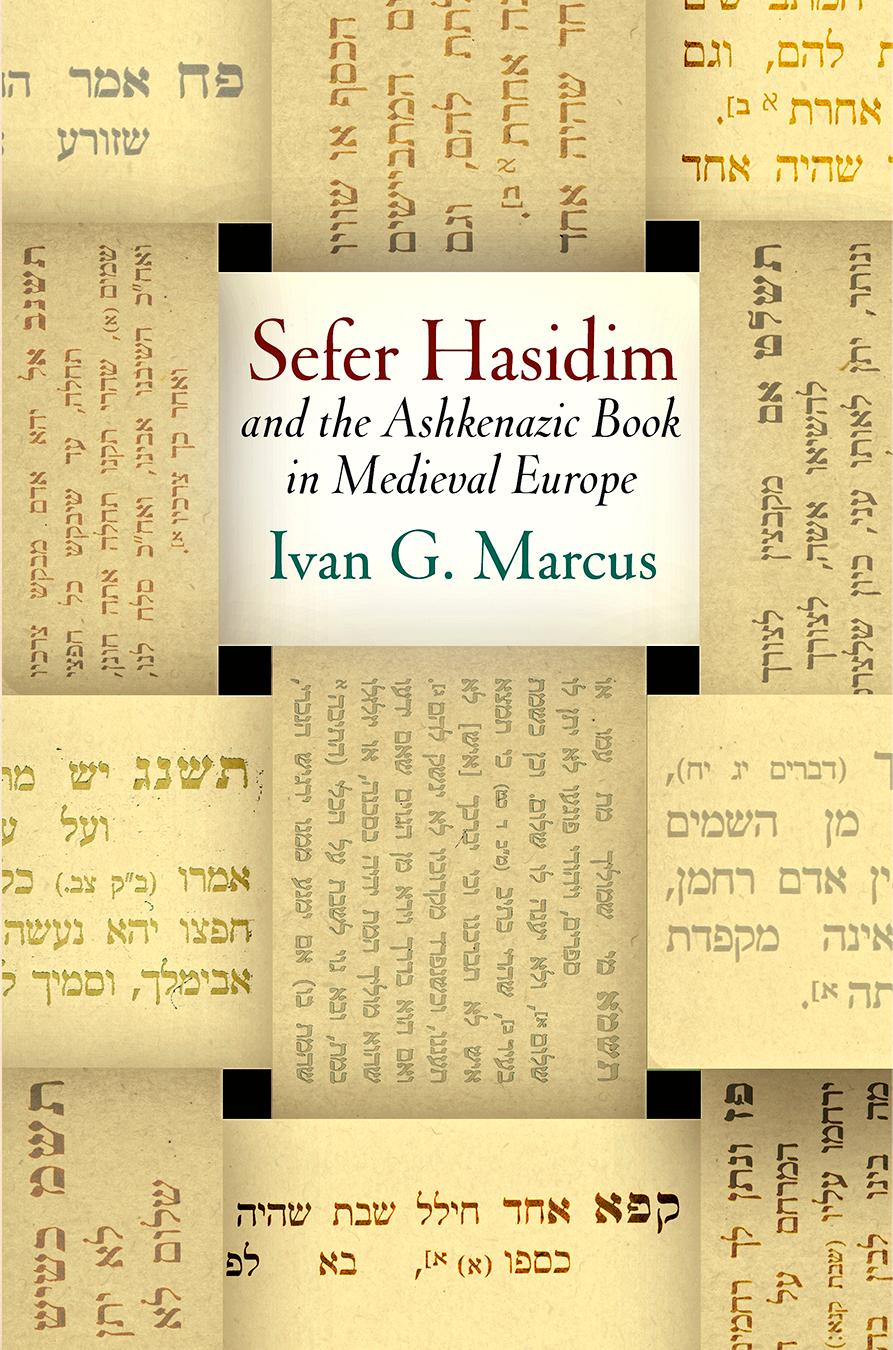
Composed in Germany in the early thirteenth century by Judah ben Samuel he-hasid, Sefer Hasidim, or "Book of the Pietists," is a compendium of religious instruction that portrays the everyday life of Jews as they lived together with and apart from Christians in towns such as Speyer, Worms, Mainz, and Regensburg. A charismatic religious teacher who recorded hundreds of original stories that mirrored situations in medieval social living, Judah's messages advocated praying slowly and avoiding honor, pleasure, wealth, and the lures of unmarried sex. Although he failed to enact his utopian vision of a pietist Jewish society, his collected writings would help shape the religious culture of Ashkenazic Judaism for centuries.
In "Sefer Hasidim" and the Ashkenazic Book in Medieval Europe, Ivan G. Marcus proposes a new paradigm for understanding how this particular book was composed. The work, he contends, was an open text written by a single author in hundreds of disjunctive, yet self-contained, segments, which were then combined into multiple alternative versions, each equally authoritative. While Sefer Hasidim offers the clearest example of this model of composition, Marcus argues that it was not unique: the production of Ashkenazic books in small and easily rearranged paragraphs is a literary and cultural phenomenon quite distinct from anything practiced by the Christian authors of northern Europe or the Sephardic Jews of the south. According to Marcus, Judah, in authoring Sefer Hasidim in this manner, not only resisted Greco-Roman influences on Ashkenazic literary form but also extended an earlier Byzantine rabbinic tradition of authorship into medieval European Jewish culture.
Before Memmo my notes were scattered across PDFs. Now a workspace pulls everything into one place — I see exactly what's still left to study.
Memmo's summaries are gold before exams. I don't have to re-read 800 pages two weeks before — just the important parts.
The AI chat has saved me the night before an exam more than once. I just keep asking until I get it — no waiting on a study group to reply.
The quizzes hit exactly what I need to know. Memmo tracks what I get stuck on — so I only practice what's worth it.
Flashcards with spaced repetition are magic. Memmo knows when I'm about to forget something and brings it back.
The AI podcasts are my favorite. I listen on my way to school and get a recap without sitting at a computer.

Handbok i kvalitativa metoder
281 kr

Hållbar utveckling: en introduktion för ingenjörer och andra problemlösare
334 kr

Brymans Samhällsvetenskapliga metoder
390 kr

Projektledning
491 kr

Den orättvisa hälsan: om socioekonomiska skillnader i hälsa och livslängd
326 kr

Vetenskapsteori för nybörjare
196 kr

Organizational Leadership
429 kr

På väg mot läraryrket
172 kr

Det sociala livet i skolan: Socialpsykologiska perspektiv
253 kr

Betygsättningens didaktik
151 kr

Personality
402 kr

Studying Leadership
404 kr

Managing Innovation
477 kr

Introduktion till samhällsvetenskaplig metod
347 kr

The Psychology of Sex and Gender
698 kr

Evidens och kunskap för socialt arbete
207 kr

Introduction to Leadership
605 kr