
Before Memmo my notes were scattered across PDFs. Now a workspace pulls everything into one place — I see exactly what's still left to study.
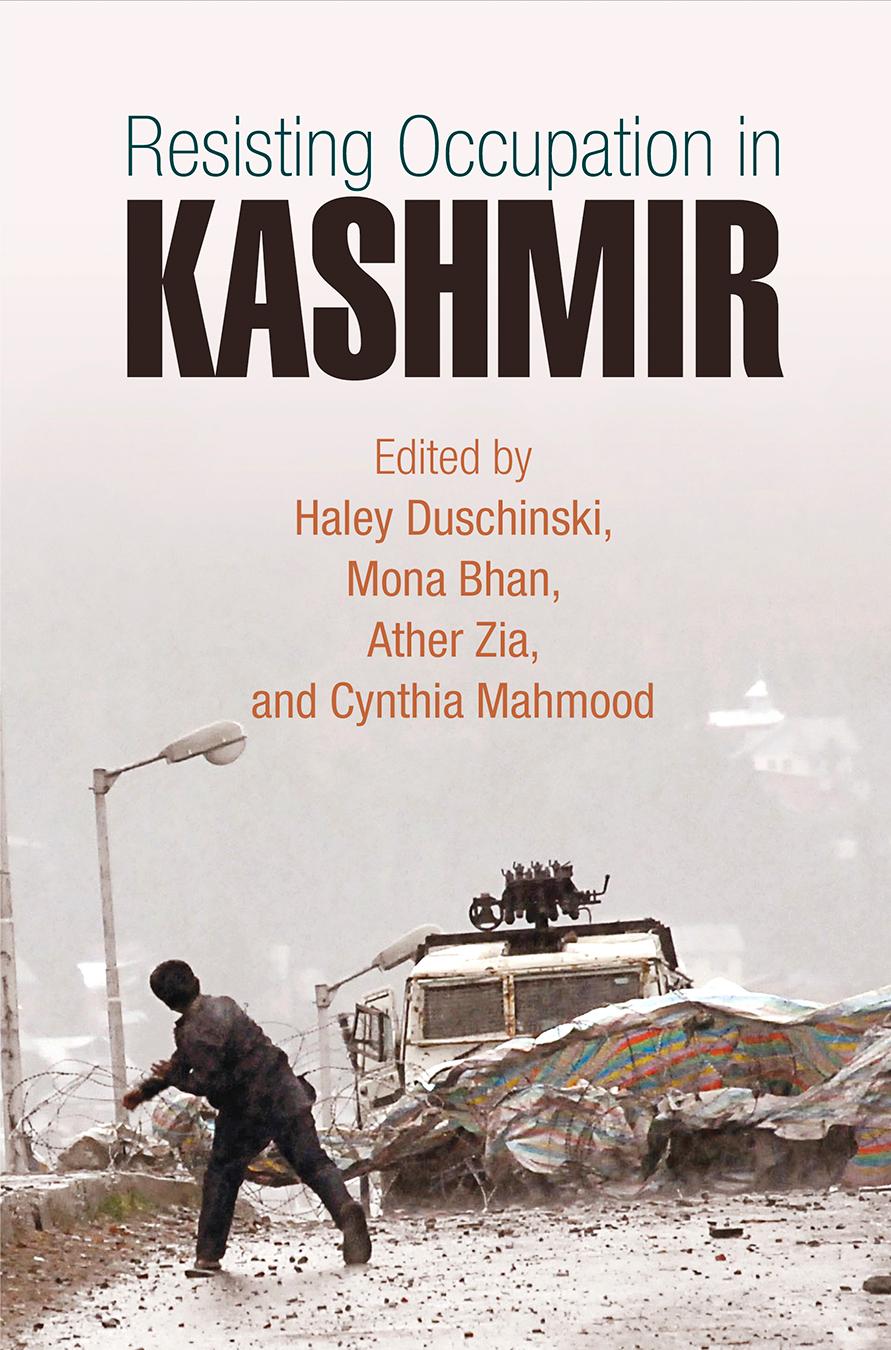
The last decade has been a transformative period in Kashmir, the hotly contested and densely militarized border territory located high in the Himalayan mountains between India and Pakistan. Suppressed and unheard, Kashmiri political aspirations were subordinated to larger geopolitical concerns—by opposing governments laying claim to Kashmir, by security experts promoting bilateral peace settlements in the region, and by academic researchers studying the conflict. But since 2008, Kashmiris who grew up in the midst of armed insurgency and counterinsurgency warfare have been deploying new strategies for challenging India's state and military apparatus and projecting their legal and political claims for freedom from Indian rule to global audiences. Resisting Occupation in Kashmir analyzes the social and legal logic of India's occupation of Kashmir in relation to colonialism, militarization, power, democracy, and sovereignty. It also traces how Kashmiri youth are drawing on the region's long history of armed rebellion against Indian domination to reimagine the freedom struggle in the twenty-first century.
Resisting Occupation in Kashmir presents new ways of thinking and writing about Kashmir that cross conventional boundaries and point toward alternative ways of conceptualizing the past, present, and future of the region. The volume brings together junior and senior scholars from various disciplinary backgrounds who have conducted extensive fieldwork during the past decade in various regions of Kashmir. The contributors, many of whom were born and raised during the peak of the conflict in the 1990s, offer ethnographically grounded perspectives on contemporary social, legal, and political life in ways that demonstrate the multiplicity of experiences of Kashmiri communities. The essays highlight the ways in which this scholarly orientation—built through collaboration and dialogue across different kinds of borders—offers a new critical approach to Kashmir studies at this transformative and generative moment.
Contributors: Mona Bhan, Haley Duschinski, Farrukh Faheem, Gowhar Fazili, Bruce Hoffman, Mohamad Junaid, Seema Kazi, Ershad Mahmud, Cynthia Mahmood, Saiba Varma, Ather Zia.
Before Memmo my notes were scattered across PDFs. Now a workspace pulls everything into one place — I see exactly what's still left to study.
Memmo's summaries are gold before exams. I don't have to re-read 800 pages two weeks before — just the important parts.
The AI chat has saved me the night before an exam more than once. I just keep asking until I get it — no waiting on a study group to reply.
The quizzes hit exactly what I need to know. Memmo tracks what I get stuck on — so I only practice what's worth it.
Flashcards with spaced repetition are magic. Memmo knows when I'm about to forget something and brings it back.
The AI podcasts are my favorite. I listen on my way to school and get a recap without sitting at a computer.

Handbok i kvalitativa metoder
281 kr

Hållbar utveckling: en introduktion för ingenjörer och andra problemlösare
334 kr

Brymans Samhällsvetenskapliga metoder
390 kr

Projektledning
491 kr

Den orättvisa hälsan: om socioekonomiska skillnader i hälsa och livslängd
326 kr

Organizational Leadership
429 kr

Vetenskapsteori för nybörjare
196 kr

På väg mot läraryrket
172 kr

Det sociala livet i skolan: Socialpsykologiska perspektiv
253 kr

Betygsättningens didaktik
151 kr

Personality
402 kr

Studying Leadership
404 kr

Managing Innovation
477 kr

Introduktion till samhällsvetenskaplig metod
347 kr

The Psychology of Sex and Gender
698 kr

Evidens och kunskap för socialt arbete
207 kr

Introduction to Leadership
605 kr