
Before Memmo my notes were scattered across PDFs. Now a workspace pulls everything into one place — I see exactly what's still left to study.
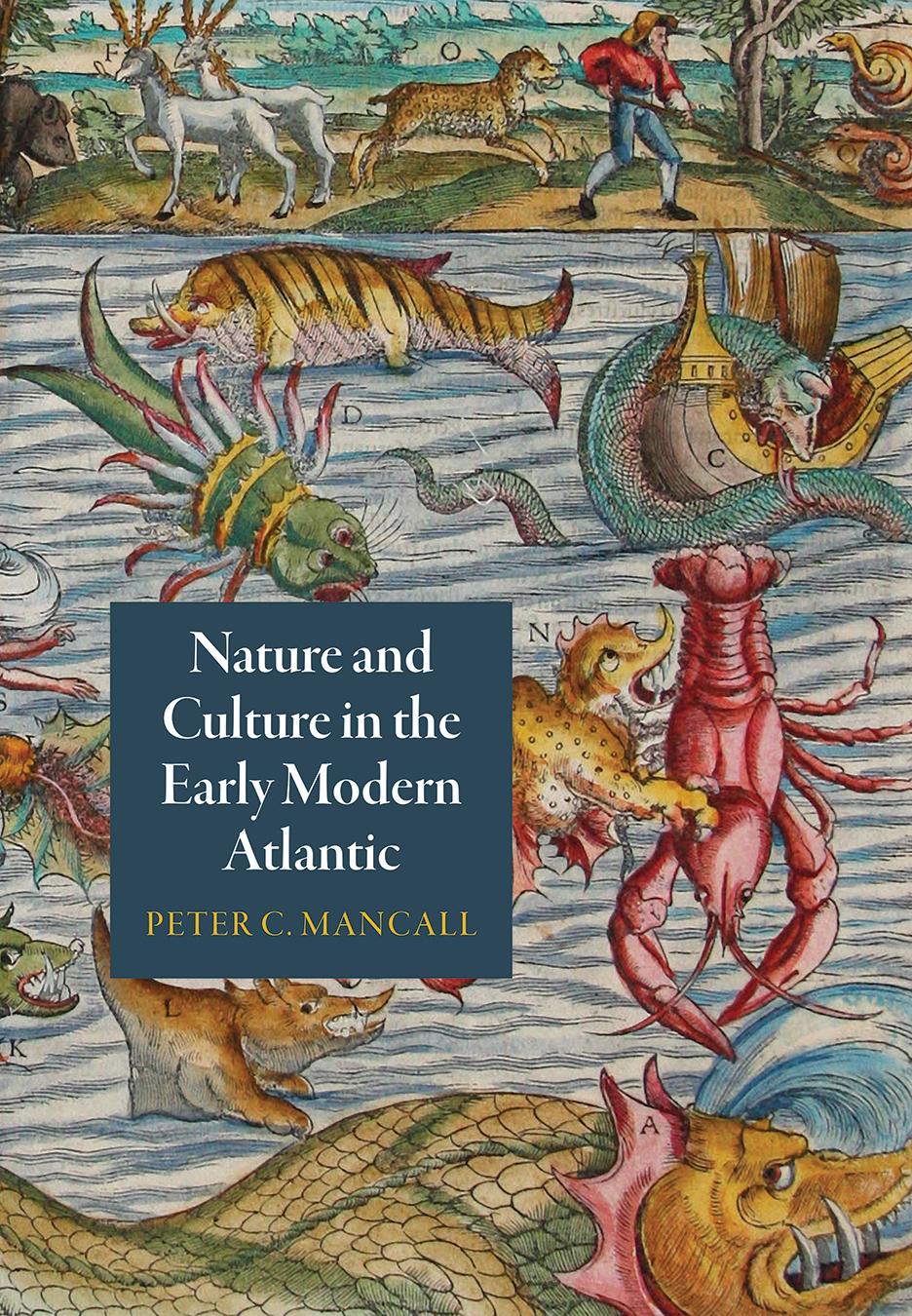
In the sixteenth-century Atlantic world, nature and culture swirled in people's minds to produce fantastic images. In the South of France, a cloister's painted wooden panels greeted parishioners with vivid depictions of unicorns, dragons, and centaurs, while Mayans in the Yucatan created openings to buildings that resembled a fierce animal's jaws, known to archaeologists as serpent-column portals.
In Nature and Culture in the Early Modern Atlantic, historian Peter C. Mancall reveals how Europeans and Native Americans thought about a natural world undergoing rapid change in the century following the historic voyages of Christopher Columbus. Through innovative use of oral history and folklore maintained for centuries by Native Americans, as well as original use of spectacular manuscript atlases, paintings that depict on-the-spot European representations of nature, and texts that circulated imperfectly across the ocean, he reveals how the encounter between the old world and the new changed the fate of millions of individuals.
This inspired work of Atlantic, European, and American history begins with medieval concepts of nature and ends in an age when the printed book became the primary avenue for the dissemination of scientific information. Throughout the sixteenth century, the borders between the natural world and the supernatural were more porous than modern readers might realize. Native Americans and Europeans alike thought about monsters, spirits, and insects in considerable depth. In Mancall's vivid narrative, the modern world emerged as a result of the myriad encounters between peoples who inhabited the Atlantic basin in this period. The centuries that followed can be comprehended only by exploring how culture in its many forms—stories, paintings, books—shaped human understanding of the natural world.
Before Memmo my notes were scattered across PDFs. Now a workspace pulls everything into one place — I see exactly what's still left to study.
Memmo's summaries are gold before exams. I don't have to re-read 800 pages two weeks before — just the important parts.
The AI chat has saved me the night before an exam more than once. I just keep asking until I get it — no waiting on a study group to reply.
The quizzes hit exactly what I need to know. Memmo tracks what I get stuck on — so I only practice what's worth it.
Flashcards with spaced repetition are magic. Memmo knows when I'm about to forget something and brings it back.
The AI podcasts are my favorite. I listen on my way to school and get a recap without sitting at a computer.

Handbok i kvalitativa metoder
281 kr

Hållbar utveckling: en introduktion för ingenjörer och andra problemlösare
334 kr

Brymans Samhällsvetenskapliga metoder
390 kr

Projektledning
491 kr

Den orättvisa hälsan: om socioekonomiska skillnader i hälsa och livslängd
326 kr

Vetenskapsteori för nybörjare
196 kr

Organizational Leadership
429 kr

På väg mot läraryrket
172 kr

Det sociala livet i skolan: Socialpsykologiska perspektiv
253 kr

Betygsättningens didaktik
151 kr

Personality
402 kr

Studying Leadership
404 kr

Managing Innovation
477 kr

Introduktion till samhällsvetenskaplig metod
347 kr

The Psychology of Sex and Gender
698 kr

Evidens och kunskap för socialt arbete
207 kr

Introduction to Leadership
605 kr